 Lynden Exterior
 Blaine's Exterior Sits Closer to the Weather Than Most
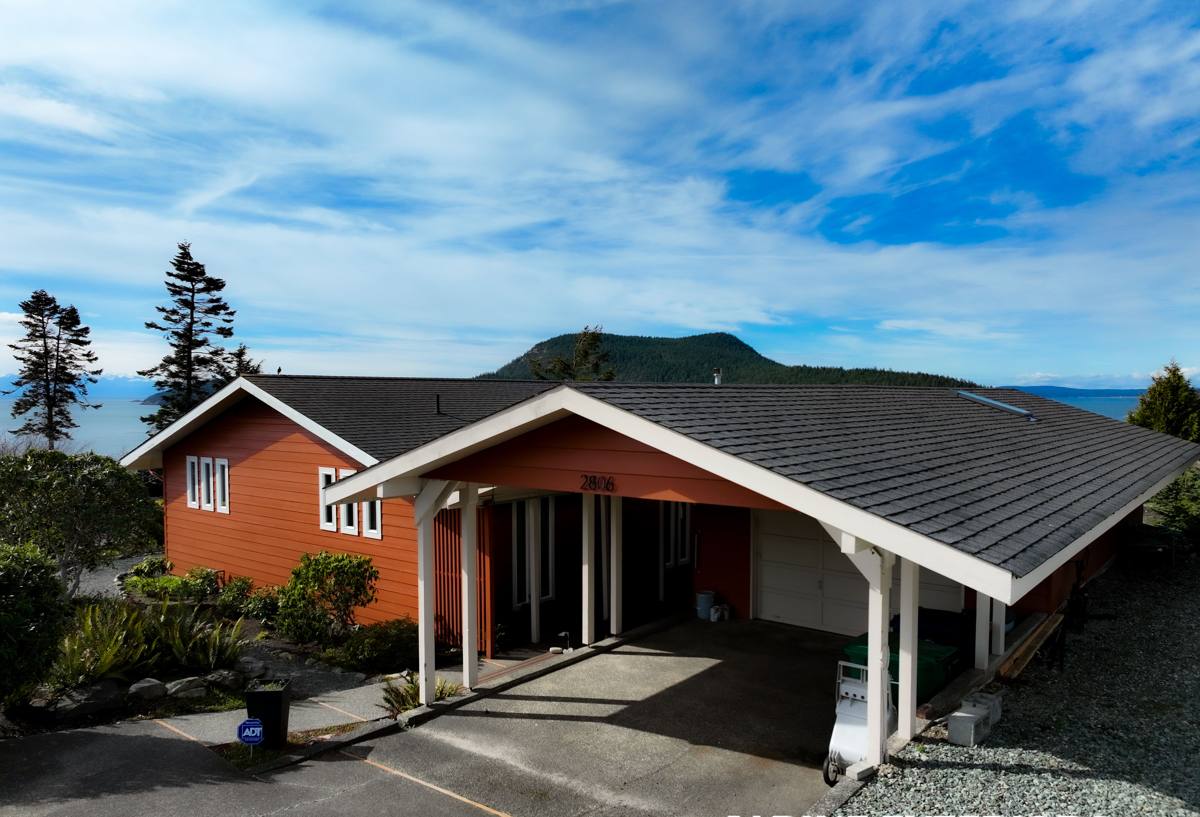
Blaine sits right on the water at the northwest corner of Whatcom County, where Drayton Harbor and Boundary Bay meet the open air coming off the Salish Sea. That location is part of what makes the town beautiful, and it's also exactly why homes there take a different kind of beating than homes twenty minutes inland in Lynden. Salt-laden air, wind-driven rain that comes in sideways off the water, and a long gray stretch of moss season all work on a house's exterior year after year, and most of that work happens slowly enough that homeowners don't notice until a problem is already serious.
We're based in Lynden and have worked across Whatcom County long enough to know that a house built or sided for a drier, more sheltered spot doesn't always hold up the same way once it's within a mile or two of Boundary Bay. This page walks through what that coastal exposure actually does to siding, roofing, windows, and decks, and how we approach exterior work differently for homes in Blaine as a result.
What Salt Air and Coastal Rain Actually Do to a House
Salt air isn't just a smell that rolls in off the water. It's airborne moisture carrying dissolved salts that settle on every exterior surface of a home, and it accelerates corrosion on anything metal — fasteners, flashing, hinges, window hardware, gutter screws. Over years, that corrosion can loosen the very things holding your siding and trim in place, long before the siding material itself would otherwise need attention.
Then there's the rain itself. Blaine gets plenty of the same wet Pacific Northwest weather as the rest of Whatcom County, but its exposed, low-lying coastal position means more of that rain arrives as wind-driven rain rather than falling straight down. Wind-driven rain finds its way into laps, seams, and joints that would stay dry in a calmer setting. It's a big reason why proper flashing details and correct siding installation matter more here than they do on a sheltered inland lot.
Add in the long stretch of overcast, damp months typical of this part of Washington, and you get ideal conditions for moss, algae, and mildew to take hold on roofs and north-facing siding. None of this is unique to Blaine, but the combination — salt exposure, wind-driven rain, and a long moss season — hits harder here than it does a few miles inland.
Signs Your Exterior Is Already Feeling It
- Rust streaks below fasteners, vents, or metal trim
- Soft or discolored siding near ground level or under windows
- Moss or dark streaking on north- and west-facing roof slopes
- Peeling or bubbling paint that keeps coming back in the same spots
- Windows that feel drafty or fog between the panes
- Deck fasteners with rust bleed or boards that stay damp long after rain stops
Siding That's Built for This Kind of Exposure
Siding is the single biggest factor in how well a Blaine home holds up over time, because it's the material taking the direct hit from salt air and wind-driven rain day after day. This is also where we're upfront about where we stand: we install James Hardie fiber cement siding exclusively. We don't install vinyl, LP SmartSide, Cemplank, Allura, primed spruce, or cedar, and that's a deliberate standard, not an accident of what we happen to stock.
Vinyl siding can become brittle and prone to cracking in colder snaps, and its seams and panels give wind-driven rain more opportunities to get behind the cladding over time. Engineered wood products like LP SmartSide perform well in many climates, but they rely on an intact factory coating and careful sealing at every cut edge to keep moisture out — a tall order in a location where rain regularly comes in at an angle. Untreated or primed wood siding, and cedar in particular, looks great going up, but it needs consistent recoating and maintenance to keep moisture out, and coastal humidity shortens that maintenance window considerably.
Fiber cement doesn't have those weaknesses. James Hardie's HZ product lines are formulated specifically for different climate zones, including the wetter marine conditions found throughout western Washington, and the material itself is non-combustible and dimensionally stable — it doesn't swell, crack, or rot the way wood-based products can. The ColorPlus factory finish is baked on under controlled conditions rather than applied on site, which means the color and the moisture barrier are more consistent and more durable than a field-applied paint job, and it holds up better against the fading and streaking that salt air and UV exposure cause over time.
Fiber Cement vs. Other Common Siding Materials in Coastal Whatcom County
| Factor | James Hardie Fiber Cement | Vinyl | Engineered Wood / Cedar |
|---|---|---|---|
| Salt air / moisture resistance | High — engineered for marine climates | Moderate — seams can trap moisture | Moderate to low — depends on coating upkeep |
| Behavior in wind-driven rain | Stable when installed to spec | Can allow water intrusion at seams | Vulnerable at cut edges and joints |
| Combustibility | Non-combustible | Combustible | Combustible |
| Maintenance over 10+ years | Low — factory finish holds up | Low, but fades and can crack | Higher — recoating and sealing needed |
| Typical warranty structure | Long, transferable factory warranty | Varies by manufacturer | Varies; coating warranty often shorter than material |
Roofing for Wind, Rain, and Moss
A roof in Blaine deals with the same wind-driven rain as the siding below it, plus the added challenge of moss and organic growth thriving in the shaded, damp conditions common along the coast. Moss isn't just cosmetic — as it establishes itself under shingle edges and around flashing, it holds moisture against the roof surface and can work its way under laps, which shortens the life of the roofing material and increases the risk of leaks at vulnerable points like valleys, chimneys, and vent penetrations.
Proper attic and roof ventilation matters more here than people expect, because trapped moisture underneath the roof deck accelerates rot and encourages moss and mold growth from the inside out, not just the outside in. When we work on a roof in this area, we pay close attention to flashing details around every penetration, ridge and edge ventilation, and underlayment quality — the parts of a roofing job that don't show up in a quick visual estimate but make the real difference in how the roof performs during a wet coastal winter.
Windows That Hold Up to Salt and Drafts
Older or poorly sealed windows in a coastal environment tend to show their age faster than the same windows would inland. Salt-laden moisture works into hardware, weatherstripping breaks down under repeated wet-dry cycling, and gaps that would just cause a minor draft elsewhere become a real path for wind-driven rain to get in around the frame. Fogging between panes on older dual-pane windows is also more common near the water, where humidity swings are more constant.
When we replace windows on a Blaine home, we're not just matching the opening — we're making sure flashing and sealing around the new unit accounts for the direction rain tends to come from on that specific side of the house, since a west- or north-facing wall near the water often needs more careful detailing than a sheltered south wall.
Decks Built to Handle Coastal Moisture
Decks take a different kind of abuse near the water: constant damp air keeps wood surfaces from fully drying between rain events, fasteners are more prone to corrosion, and any spot where water can pool or where boards sit tight against each other becomes a slow rot risk. A deck built without those conditions in mind may look fine for a few years and then need structural attention well ahead of schedule.
We build and repair decks with fastener choices, spacing, and drainage details suited to that kind of sustained moisture exposure, rather than treating a Blaine deck the same way we'd treat one on a dry, sheltered inland lot.
Why Hiring a Local Crew Actually Matters Here
A lot of exterior problems in Blaine don't come from bad materials — they come from work that was done correctly for a different climate. A crew that mostly works drier, more sheltered jobs elsewhere in the county may not think twice about flashing details, fastener selection, or ventilation choices that matter enormously a few miles closer to the water. We're a Whatcom County company, and we've seen firsthand how differently a house ages in Blaine's marine air compared to one further inland, which shapes how we approach every siding, roofing, window, and deck project out there.
Working locally also means we're familiar with the permitting and inspection expectations in this part of the county, and we're not disappearing after the job is done — we're still working in this area next month and next year, which matters if a warranty question or a follow-up ever comes up.
Getting Started
If you're noticing early signs of wear on your Blaine home's siding, roof, windows, or deck — or you'd simply like an honest read on how much longer your current exterior has before it needs real attention — we're happy to take a look. There's no pressure and no obligation, just a straightforward assessment and, if it's useful, a written estimate you can think over on your own timeline. Reach out below to schedule a free estimate.