 Lynden Exterior
 Why Roof Quotes in Whatcom County Vary So Much
If you've called around for roofing quotes in Lynden, Ferndale, or Bellingham, you've probably noticed the numbers don't line up. One contractor comes in at $9,000, another at $16,000, and you're left wondering if someone is padding the bill or someone else is cutting corners. Usually it's neither. Roofing costs are driven by a stack of variables — roof size, pitch, material, what's underneath the old shingles, and how much of the structure needs repair before a single new shingle goes down. Two roofs that look identical from the street can price out thousands of dollars apart once a contractor actually gets on top of them.
Our goal on this page isn't to hand you a single number — nobody can do that honestly without seeing your roof. It's to walk through the real factors that move the price, so when you do get quotes, you know what questions to ask and what a fair number should reflect.
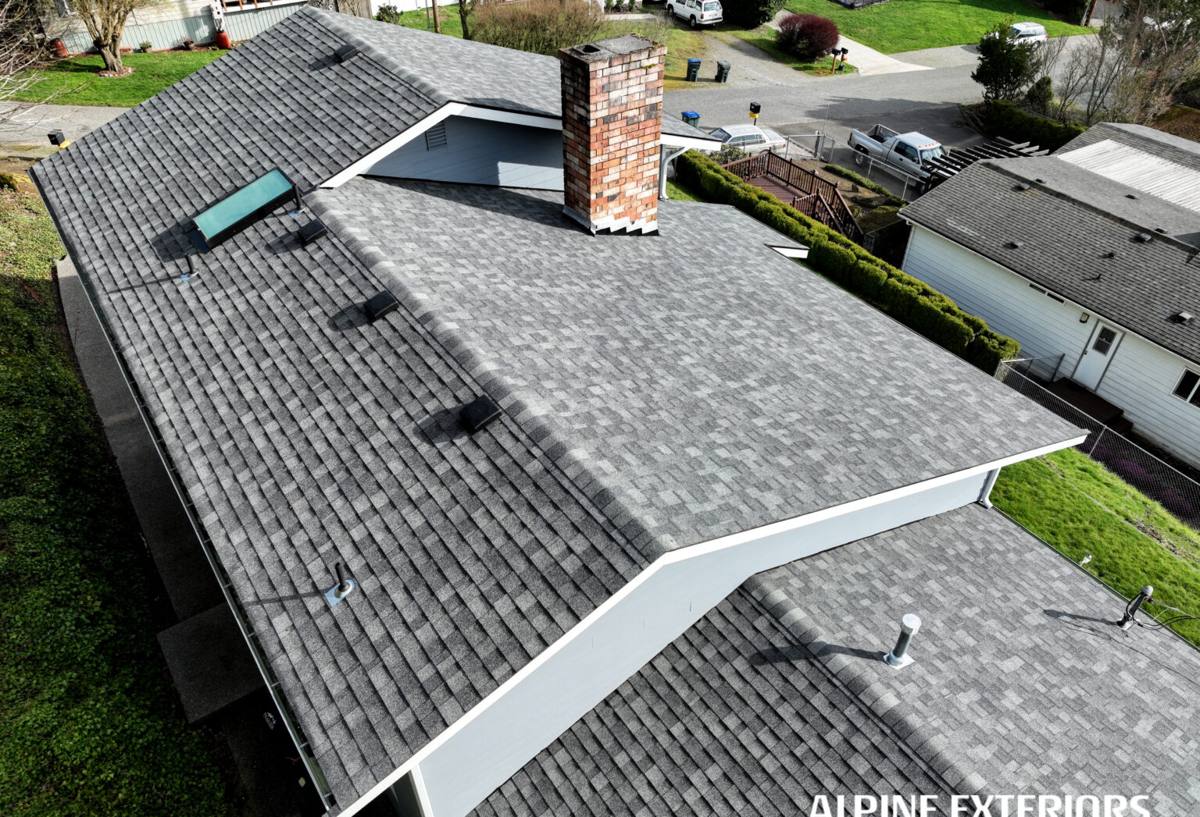
The Big Cost Drivers, at a Glance
Before getting into specifics, here's a general picture of what tends to move a roofing budget the most, from biggest impact to smallest.
| Factor | Why It Matters | Typical Cost Impact |
|---|---|---|
| Roof size (squares) | Material and labor scale directly with square footage | Largest single driver |
| Roof pitch and complexity | Steep or multi-plane roofs need more safety gear, time, and cut waste | Moderate to large |
| Material type | Asphalt, metal, cedar, and synthetic products have very different material and labor costs | Large |
| Tear-off and layers | Removing one layer of old roofing costs less than removing two or three | Moderate |
| Decking condition | Rotted or soft plywood/sheathing has to be replaced before re-roofing | Variable — can be significant |
| Ventilation and flashing | Proper venting and new flashing around chimneys, vents, and valleys add labor and material | Moderate |
| Access and disposal | Tight lots, tall trees, or difficult dump access add time and hauling cost | Small to moderate |
Squares, Not Square Footage of the House
Roofers price in "squares" — 100 square feet of roof surface — not the square footage of your living space. A single-story ranch and a two-story home with the same footprint can have very different roof areas depending on pitch and roofline complexity, which is one reason a neighbor's price isn't a reliable stand-in for your own.
Material Choices and What They Cost Over Time
Material is usually the second-biggest lever after size, and it's the one homeowners have the most control over. Each option trades upfront cost against lifespan and maintenance.
Asphalt Shingles (Three-Tab and Architectural)
Asphalt remains the most common roofing material in this part of Washington because it balances cost, availability, and performance reasonably well in our climate. Three-tab shingles are the lower-cost, flatter-profile option; architectural (dimensional) shingles cost more per square but are thicker, carry longer warranties, and generally hold up better to wind and driving rain — a real consideration here given how often storms roll in off the Pacific with sustained gusts and horizontal rain.
Metal Roofing
Metal costs more upfront — often two to four times the material cost of asphalt — but sheds moss and standing water aggressively and can last 40-plus years with minimal maintenance. For homeowners planning to stay long-term, or dealing with a heavily shaded, moss-prone roof, the lifecycle math can work out in metal's favor even with the higher initial price.
Cedar Shake
Cedar has a distinctive look many homeowners want, but it requires the most ongoing maintenance of any common roofing material in a wet climate — regular treatment against moss, rot, and moisture retention. In Whatcom County's damp shoulder seasons, cedar roofs need real upkeep discipline to hit their expected lifespan.
Synthetic and Composite Options
Newer synthetic roofing products mimic the look of cedar or slate at a lower weight and with better moisture resistance than natural wood. Pricing sits between architectural asphalt and metal, and quality varies significantly by manufacturer, so this is a category where it pays to ask specifically which product line is being quoted.
What's Under the Shingles Matters as Much as What's On Top
A roof is a system, not just a surface layer, and a lot of the real cost — and the real performance difference between a good roof and a mediocre one — lives in the parts you never see once the job is done.
- Underlayment: The moisture barrier between decking and shingles. Synthetic underlayment outperforms old-style felt paper and is worth the modest upcharge.
- Ice-and-water shield: A self-adhering membrane installed at eaves, valleys, and around penetrations where water backup is most likely.
- Flashing: Metal installed around chimneys, skylights, and roof-to-wall transitions to stop water intrusion at the most vulnerable points on the roof.
- Ventilation: Ridge and soffit vents that let the attic breathe, which prevents moisture buildup, ice damming, and premature shingle failure from underneath.
A quote that skips detail on these components isn't necessarily dishonest, but it's incomplete. Ask what underlayment and flashing package is included — it's a meaningful part of what separates a roof that lasts 15 years from one that lasts 25.
Tear-Off, Decking, and the Surprises Underneath
Most reroofs in this area involve removing the old roofing material down to the decking, which is the right approach — layering new shingles over old hides problems and voids most manufacturer warranties. Tear-off cost depends on how many layers are coming off and how the debris gets hauled away.
The bigger wildcard is what tear-off reveals. Plywood or board sheathing that's been sitting under a leaky or aging roof for years can be soft, delaminated, or rotted, especially around valleys, chimneys, and low-slope sections where water tends to sit longest. A contractor can give you a solid estimate for the visible roof, but decking repair is often priced as a per-sheet allowance until the old material actually comes off and the crew can see the wood underneath. Any honest quote should explain how decking replacement is handled if it's needed — flat per-sheet pricing, not a vague "we'll figure it out" answer.
Moss, Algae, and Whatcom County's Damp Climate
Salt air, driving rain, and a long moss season are simply part of owning a roof in Whatcom County, and they affect both cost and material decisions. Shaded, north-facing roof sections and roofs under conifer cover hold moisture longer, which accelerates moss and algae growth and, over years, can lift shingle edges and shorten roof life if left unmanaged.
A few things matter here more than in drier climates:
- Zinc or copper strips near the ridge help suppress moss regrowth on asphalt and composite roofs.
- Algae-resistant shingle products cost a little more but resist the dark streaking common on shaded roofs in this region.
- Metal roofing largely sidesteps the moss problem, which is part of why it gets a second look from homeowners on heavily treed lots.
- Annual or biannual gentle roof cleaning — never pressure washing, which can strip granules — extends the life of any material.
None of this changes the base cost of materials or labor, but it's worth factoring into which material makes sense for your specific lot and tree cover, since the cheapest roof to install isn't always the cheapest roof to own over 20 years in a climate like ours.
Permits, Code, and Labor
Roofing work in Whatcom County jurisdictions generally requires a permit, and code requirements around ventilation, ice-and-water shield placement, and fastening schedules aren't optional extras — they're the baseline for a roof that performs correctly. Permit fees are a small line item relative to the whole project, but skipping the permit process entirely is a red flag in a quote, not a discount worth taking.
Labor cost reflects crew size, project timeline, and the complexity of your roof's pitch and layout. Steep roofs require additional fall-protection equipment and slow the work down, which is reflected in the price — not because the contractor is charging more for the same job, but because it genuinely is a harder, slower, more dangerous job.
Getting Accurate Quotes: A Homeowner Checklist
Because so many variables affect the final number, the best way to compare quotes isn't to look at the bottom line alone — it's to check that each bid covers the same scope of work.
- Is the quote based on an actual roof measurement, not a rough estimate from the ground or satellite imagery?
- Does it specify the exact shingle or material product line, not just "architectural shingles"?
- Is tear-off to the decking included, and how is unexpected decking repair priced?
- What underlayment, ice-and-water shield, and flashing package is included?
- Is ventilation addressed, or just the roof surface?
- Are permit fees and disposal/dump fees included or billed separately?
- What's the manufacturer's warranty, and what's the contractor's workmanship warranty?
- Is the contractor licensed and insured in Washington, and can they show current proof?
A lower bid that's missing three or four of these items isn't necessarily a better deal — it may just be an incomplete comparison.
When It's Time to Replace vs. Repair
Not every roofing issue calls for full replacement. Localized leaks, a handful of damaged shingles, or flashing failures around a single chimney can often be repaired for a fraction of the cost of a new roof. Replacement generally makes more financial sense once a roof is showing widespread granule loss, multiple leak points, soft decking in more than one area, or is simply past the expected service life of its material. An honest contractor should be willing to tell you when a repair is the right call, not just quote a replacement by default.
If you're weighing a repair against replacement, or just want a clear, itemized number for your specific roof, we're happy to take a look and walk you through it. Reach out for a free, no-pressure estimate — we'll measure the roof, check the decking where we can, and give you a quote that spells out exactly what's included.