 Lynden Exterior
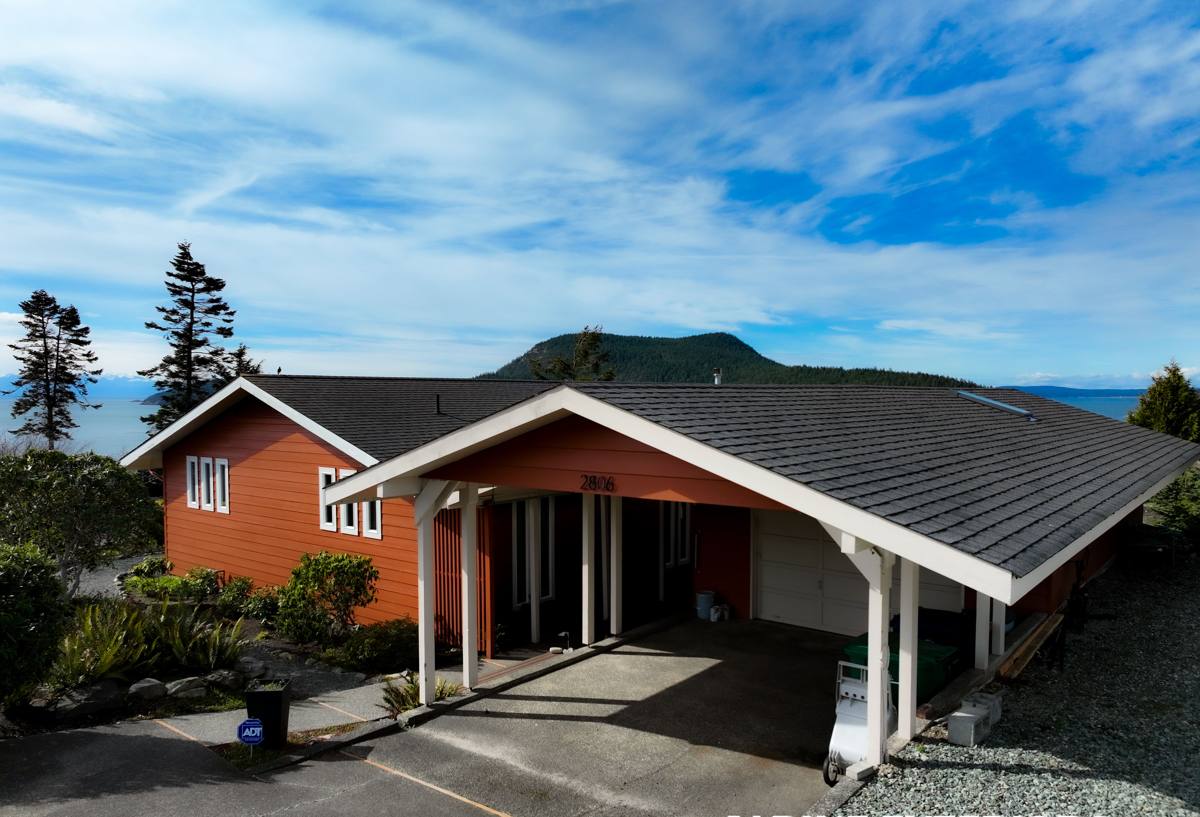
 Custer sits in a stretch of Whatcom County that takes weather seriously. Close enough to Birch Bay and the Strait of Georgia to catch salt-laden air, and low enough in elevation to stay damp through most of the winter and spring, homes here deal with a combination of moisture and salt exposure that inland Lynden properties don't face in quite the same way. If you own a home in Custer, or you're looking at exterior work for a rental or family property in the area, understanding how the local climate actually behaves is the first step to making good decisions about siding, roofing, windows, and decks.
What Custer's Climate Does to a House
Three things define exterior wear in this part of Whatcom County: salt air, driving rain, and a moss season that can stretch from October well into April.
Salt Air
Proximity to the coast means airborne salt settles on siding, trim, fasteners, and roofing year-round, not just during storms. Salt accelerates corrosion in unprotected metal fasteners and flashing, and it can speed up the breakdown of coatings and finishes that weren't engineered to handle it. Over years, this shows up as premature fading, chalking, or corrosion spots on lower-grade materials, especially on the west- and south-facing walls that catch the most wind-driven moisture.
Driving Rain
Rain in Custer rarely falls straight down. Wind off the water pushes it sideways into wall assemblies, which means siding systems, window flashing, and roof edges need to actually shed water rather than just tolerate it. Wall assemblies with weak seams, poor flashing details, or materials that absorb moisture are the ones that fail first — not from one big storm, but from years of repeated wetting and drying.
Moss and Prolonged Dampness
Long stretches of overcast, damp weather give moss and algae plenty of time to establish on roofs, north-facing siding, and anywhere sunlight and airflow are limited by trees or landscaping. Moss holds moisture against roofing and siding surfaces far longer than open air would, which is exactly the condition that leads to premature wear underneath.
Why We Only Install James Hardie Fiber Cement Siding
We made a decision years ago to stop installing vinyl, LP SmartSide, primed wood, and comparable fiber cement alternatives like Cemplank or Allura. That's not a marketing position — it's a standard we hold because of what we've seen play out on homes in exactly this kind of climate.
- Non-combustible core: James Hardie siding is fiber cement, not an engineered wood product, so it doesn't carry the same fire-related concerns as wood-based siding.
- Built for moisture-heavy climates: Hardie's HZ5 product line is engineered specifically for the wetter, more humid regions of the Pacific Northwest, which matters more in Custer than in drier parts of the state.
- Factory-applied ColorPlus finish: The finish is baked on in a controlled factory environment rather than applied on-site, which gives more consistent, longer-lasting color performance against sun and salt exposure than field-applied paint.
- Transferable warranty: A strong, transferable warranty matters to resale value, especially for homes that may change hands in a market where buyers ask pointed questions about exterior condition.
That doesn't mean the alternatives are bad products across the board. Vinyl is inexpensive and easy to source. LP SmartSide has genuine fans and can perform well when installed and maintained correctly. But we've chosen to specialize in one system we can install to spec every time, stand behind fully, and recommend without hedging — and for coastal-influenced Whatcom County homes, that system is James Hardie.
Siding Work in Custer
Siding replacement or repair in this area typically starts with an honest look at what's underneath the current siding. Salt air and driving rain don't just affect the surface material — they can affect house wrap, sheathing, and framing if water has been getting behind the siding for years without anyone noticing. A proper Hardie installation includes correct water-resistive barrier detailing, proper flashing at windows and penetrations, and correct fastening patterns, because the siding itself is only as good as the assembly behind it.
We also pay close attention to color selection for coastal-exposed homes. Darker, more saturated colors absorb more heat and can show fading differences faster in high-sun-exposure areas, while certain lighter tones handle salt film and UV exposure more gracefully over time. We'll walk through the ColorPlus palette with you and talk through what tends to hold up best given your home's specific sun and wind exposure.
Roofing Considerations for Moss-Prone Properties
Roofs in Custer face the moss problem more than almost any other local issue. Tree cover, north-facing slopes, and long damp stretches all combine to give moss a foothold. A roof that's shedding water properly and has adequate ventilation will resist moss longer than one with poor airflow or trapped moisture, regardless of the roofing material itself.
When we work on roofs here, we're looking at:
- Flashing condition at valleys, chimneys, and roof-to-wall transitions
- Attic ventilation, since poor airflow traps moisture and accelerates moss and mold growth from underneath
- Gutter and downspout function, since clogged gutters back water up under shingles and shakes
- Overall roof age and remaining service life relative to typical wear patterns in coastal-influenced climates
Moss removal on its own is a maintenance task, not a permanent fix. If a roof is repeatedly growing heavy moss year after year, that's usually a sign of a ventilation or sun-exposure issue worth addressing at the same time as any repair.
Windows: Sealing Out Wind-Driven Rain
Because rain here rarely falls straight down, window flashing and sealing details matter more in Custer than in calmer inland areas. Older windows with degraded seals, worn weatherstripping, or flashing that was never installed correctly in the first place are common sources of slow water intrusion — the kind that shows up as soft trim, interior staining, or mysteriously damp drywall long before anyone traces it back to the window.
When we replace windows, we treat the flashing and integration with the surrounding siding as just as important as the window unit itself. A well-built window installed with poor flashing will still leak; a modest window installed with correct flashing and integration will usually outperform it.
Decks in a Wet, Salt-Influenced Climate
Decks take a beating from the same conditions as everything else — standing moisture, algae and moss growth on horizontal surfaces, and salt exposure on fasteners and hardware. Composite decking has become popular in this region precisely because it resists moisture absorption and doesn't require the recurring staining and sealing that wood decking does. For homeowners who want a lower-maintenance option that still looks good through a long wet season, composite is worth a serious look; for those who prefer the look and feel of real wood, we can talk through what a realistic maintenance schedule looks like given local conditions.
Cost Factors to Expect
Every property is different, but a few factors consistently move the price on exterior projects in this area:
| Factor | Why It Matters Here |
|---|---|
| Extent of hidden moisture damage | Long-term water intrusion from driving rain can mean sheathing or framing repair, not just surface replacement |
| Home height and roof pitch | Coastal wind exposure often calls for more robust flashing and access equipment on multi-story or steep-roof homes |
| Tree cover and shade | Heavier shade means more moss pressure and can affect ventilation and drying time during the job itself |
| Material selection | James Hardie siding, quality roofing systems, and properly flashed windows cost more upfront but reduce recurring maintenance |
| Access and site conditions | Rural lots and longer driveways in unincorporated areas can affect staging and material delivery logistics |
Why a Local Crew Matters
Exterior work in Custer isn't the same job as exterior work in a drier, more sheltered part of the state. A crew that works throughout Whatcom County regularly sees how salt air, wind-driven rain, and extended moss seasons actually affect homes over time — not in theory, but in the repair calls that come in years after a bad installation. That experience shapes decisions on flashing details, material selection, and where extra attention is worth the time, even on jobs that might look straightforward on paper.
A Practical Checklist Before You Call a Contractor
- Note any rooms with musty smells, soft trim, or interior staining near windows or exterior walls
- Check north-facing roof slopes and siding for heavy moss or algae buildup
- Look at gutters and downspouts for clogging or water pooling near the foundation
- Ask any contractor directly what siding, roofing, and window products they install and why
- Get a clear explanation of warranty coverage and what voids it
- Confirm the contractor is licensed and insured to work in Washington State
If you're weighing siding, roofing, window, or deck work on a Custer property, we're happy to take a look and give you a straightforward, no-pressure estimate. There's no obligation — just an honest read on where your home stands and what your options actually are.