 Lynden Exterior
 Exterior Work Built for Sumas and the Lynden Area
Sumas sits at the far northern edge of Whatcom County, right against the Canadian border, and it shares the same weather pattern that shapes exterior wear across Lynden and the surrounding farmland: long stretches of low-intensity rain from fall through spring, heavy morning dew and fog off the Nooksack valley, and short, humid summers that don't dry things out as fast as homeowners expect. Houses here don't usually fail from one dramatic storm. They fail slowly, from moisture that never quite gets a chance to leave.
We're a local exterior contractor working siding, roofing, windows, and decks throughout the Lynden area, including Sumas. This page covers what that climate actually does to a home's exterior over time, how we approach the work differently because of it, and why we've standardized on one siding product instead of offering the usual lineup of options.
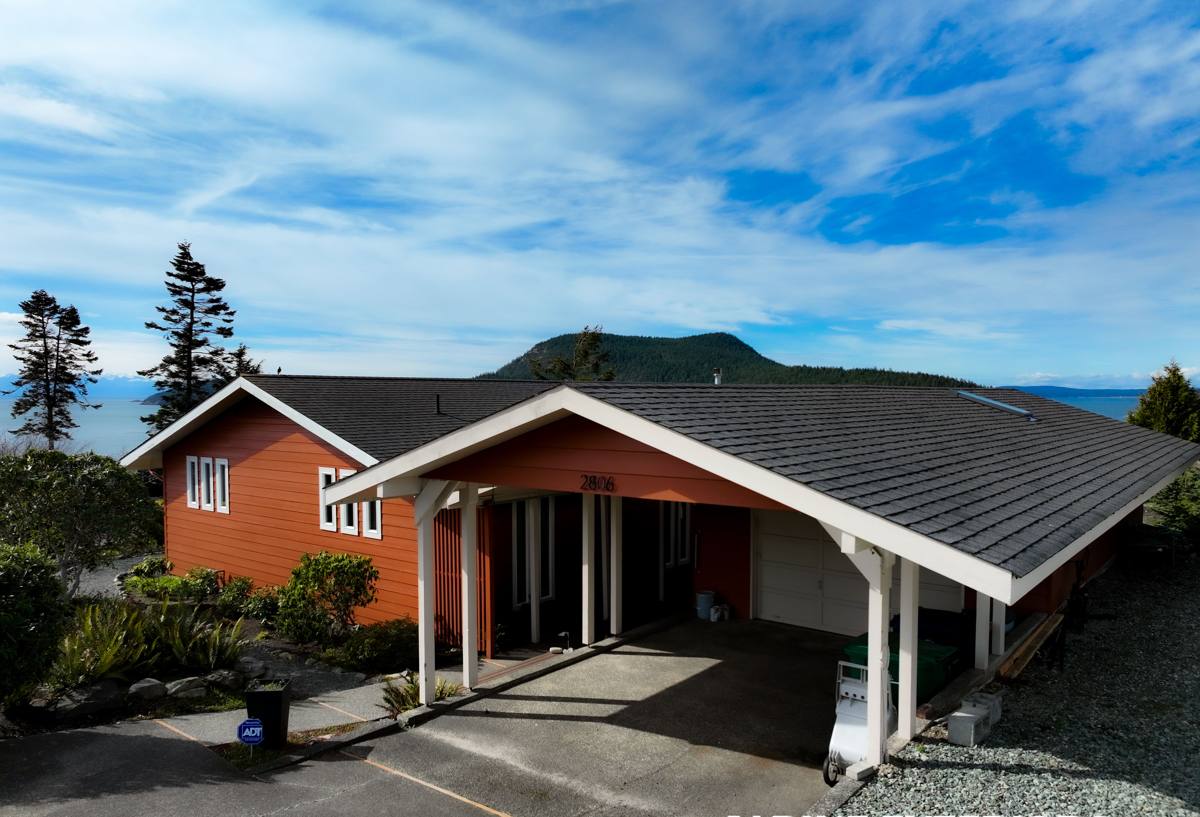
What the Sumas Climate Does to a House
Moisture That Lingers
Whatcom County doesn't get the wind-driven downpours you see on the outer coast, but it makes up for that with duration. Rain here tends to be steady and prolonged, and Sumas's low elevation near the valley floor means fog and dew sit on exterior surfaces well into the morning. Wood trim, fiberboard siding, and untreated fascia boards absorb that moisture a little at a time, and if a home doesn't get enough sun and airflow to dry between events, that moisture accumulates in the material itself.
Moss and Organic Growth
The long moss season is one of the most consistent complaints we hear from homeowners in this area. North-facing walls, shaded siding near mature trees, and roof valleys that stay damp are all prone to moss, algae, and lichen. Beyond looking bad, organic growth holds moisture against the surface underneath it, which accelerates rot in wood-based products and shortens the life of asphalt shingles.
Freeze-Thaw Cycling
Sumas gets colder snaps than areas closer to Bellingham Bay, and the temperature swings through a typical winter cause repeated freeze-thaw cycling. Water that has worked its way into a seam, a nail hole, or a cracked paint film expands when it freezes. Over several winters, that's enough to open gaps that weren't there when the exterior was installed.
Siding: Why We Only Install James Hardie
We install James Hardie fiber cement siding exclusively. We don't offer vinyl, LP SmartSide, Cemplank, Allura, primed spruce, or cedar, and that's a deliberate call based on what holds up in this specific climate, not a knock on every homeowner who has one of those products on their house today.
Where the Alternatives Fall Short Here
- Vinyl siding expands and contracts with temperature swings, and in a valley climate with regular freeze-thaw cycling, panels can warp or pop loose over time. It also doesn't hold paint if a homeowner wants a color change later.
- LP SmartSide and other engineered wood products perform reasonably well when installation and caulking are perfect and maintained every year, but they're wood-based, and wood-based siding in a climate with this much sustained moisture and moss pressure needs more vigilant upkeep than most homeowners realize when they buy it.
- Primed spruce and cedar are attractive but require the most maintenance of any siding option — regular repainting, moisture monitoring, and vulnerability to the exact rot and moss conditions Sumas produces every year.
- Cemplank and Allura are also fiber cement, and fiber cement as a category is the right call for this climate. We standardized on Hardie specifically for its ColorPlus factory finish, its HZ5 product engineering for the Pacific Northwest, and the strength of its transferable warranty.
What James Hardie Gets Right for This Area
Fiber cement doesn't rot, doesn't feed moss growth the way wood fiber does, and doesn't warp with freeze-thaw cycling the way vinyl can. James Hardie's ColorPlus finish is baked on at the factory rather than field-painted, which means better resistance to fading and less need for repainting every few years — a real advantage in a climate where exterior maintenance windows are short. The HZ5 line is specifically engineered for regions with freeze-thaw exposure and sustained moisture, which describes Sumas and Lynden well.
Hardie isn't maintenance-free. It still needs proper caulking at trim and penetrations, and it benefits from an occasional wash to keep moss from establishing on shaded sides. But the maintenance burden is meaningfully lower than the alternatives, and the material itself isn't the thing that fails.
Roofing in a Long Moss Season
Roofs in Sumas take a beating from the same conditions that affect siding: prolonged dampness, shaded sections that never fully dry, and moss that establishes in roof valleys and along shaded slopes. Moss holds water against shingles and can work its way under tabs, and left unaddressed for a few seasons it shortens roof life significantly. We look at roof condition as part of any exterior estimate in this area — not to upsell a roof a homeowner doesn't need, but because a roof and siding system that isn't managing water correctly together undermines both.
What We Check
- Moss accumulation in valleys, along ridge lines, and on north-facing slopes
- Flashing condition around chimneys, vents, and any roof-wall intersections
- Gutter function and whether water is actually being carried away from the siding and foundation
- Ventilation, since a roof deck that can't breathe traps moisture and accelerates shingle wear from underneath
Windows: Sealing Out Sustained Rain
Window failure in this climate is rarely dramatic. It shows up as fogging between panes, soft trim, or drafts that get worse year over year. Sustained low-intensity rain finds its way into any gap around an old window frame, and because Sumas doesn't get the drying wind that coastal areas do, that moisture has more time to do damage before it evaporates. When we replace windows, proper flashing and sealing against the surrounding siding matters as much as the window unit itself — a good window installed poorly will leak regardless of brand.
Decks: Built to Handle Standing Moisture
Decks in the Lynden and Sumas area deal with two problems at once: constant moisture exposure and, on shaded decks near trees or the north side of a house, the same moss and algae growth that affects siding and roofs. Standing water on deck boards, in ledger board connections, or around post bases is where rot typically starts. We pay particular attention to ledger board flashing and proper drainage gaps between boards, since those are the details that determine whether a deck lasts a long time or needs early board replacement.
Cost Factors to Expect
| Project | What Drives the Price | Climate-Specific Factor |
|---|---|---|
| Siding replacement | Home size, number of stories, trim complexity, existing siding removal | HZ5 Hardie panels and proper moisture barrier detailing for sustained rain exposure |
| Roof replacement | Roof size, pitch, layers to remove, decking condition underneath | Extra attention to valley flashing and ventilation given the moss and moisture season |
| Window replacement | Number of windows, unit size, whether full-frame or insert replacement | Flashing integration with siding to manage prolonged rain exposure |
| Deck construction or repair | Size, materials, elevation, railing and stair requirements | Ledger flashing and drainage detailing for standing moisture and shaded, damp conditions |
These are general cost drivers, not quotes — every property is different, and the only way to get an accurate number is a walk-through.
Why a Local Crew Matters Here
A contractor who mainly works drier climates, or who splits time across very different regions, doesn't always build in the details that matter in a place like Sumas: extra attention to moss-prone shaded walls, flashing sized for sustained rain rather than occasional downpours, and material choices that account for freeze-thaw cycling through a real Whatcom County winter. We work this area regularly, which means we've seen where moisture problems tend to start on homes like yours and we build with that in mind from the first estimate.
What to Ask Any Contractor Before You Hire
- Do you carry current Washington state contractor licensing and insurance, and can you provide proof?
- What siding, roofing, and window products do you install, and why those specific products?
- How do you handle flashing and moisture barrier details around windows, doors, and roof-wall intersections?
- Can you walk me through how a project like mine would be sequenced, start to finish?
- What does the warranty cover — materials, labor, or both — and who backs it?
If you're weighing a siding, roofing, window, or deck project in Sumas or anywhere around Lynden, we're happy to take a look and talk through what your home actually needs. The estimate is free, there's no pressure, and you'll get a straight answer about what makes sense for your property and budget.