 Lynden Exterior
 Exterior Work in Deming, Built for the Foothills Climate
Deming sits east of Lynden along the Nooksack River corridor, closer to the foothills of the North Cascades than to the coastline — but that doesn't mean the exterior of a Deming home has it easy. Between the river valley's damp air, the tree cover that keeps yards shaded most of the year, and the same long, gray Whatcom County winters that soak the rest of the county, homes out here take a steady beating from moisture. Add in wind-driven rain that funnels through the valley and a moss season that can run eight months or longer, and you've got a climate that's genuinely hard on siding, roofing, windows, and decking.
Lynden Exterior Co works Deming regularly as part of our home service area. We're not a national franchise dispatching whoever's closest — we're a Lynden-based crew that already understands what a river-valley property in this part of Whatcom County is up against, because we've worked on plenty of them.
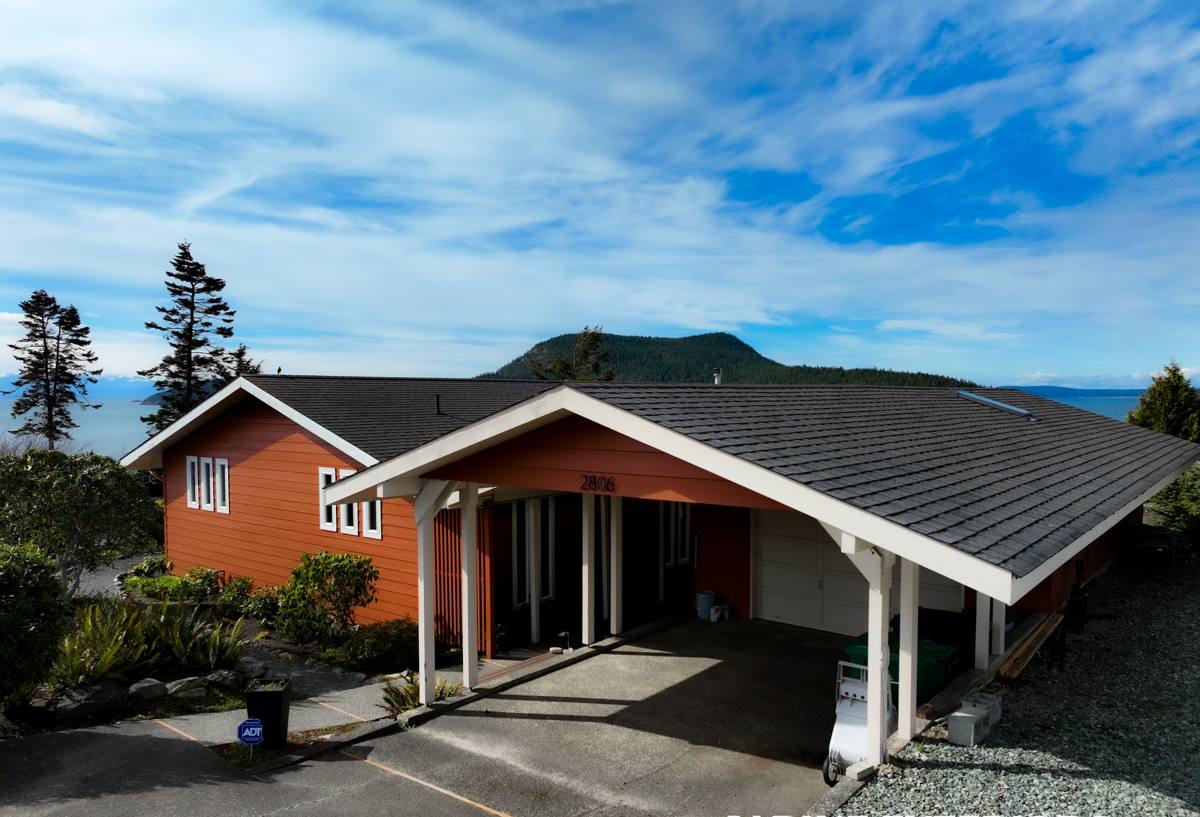
What the Deming Climate Does to a House
Moisture That Doesn't Let Up
Being tucked closer to the river and surrounded by more tree cover than in-town Lynden properties means Deming homes often see slower drying times after rain. Wood surfaces, unsealed trim, and older siding materials stay damp longer, which is exactly the condition mold, rot, and moss need to take hold. Salt-tinged air moving inland from the Puget Sound region combines with that constant dampness to accelerate corrosion on fasteners, flashing, and any exposed metal.
Moss and Shade
Heavier tree canopy in and around Deming means more shaded roof and wall sections that never fully dry out between rain events. Moss doesn't just look bad — it holds moisture against roofing and siding surfaces, works into seams, and shortens the service life of whatever it's growing on. A long moss season here isn't an inconvenience, it's a maintenance reality that has to be designed around, not just cleaned up after.
Wind-Driven Rain
Storms that move through the valley don't always fall straight down. Driving rain gets pushed sideways into wall assemblies, window flashing, and deck ledger connections, testing every seam and joint in the building envelope. Materials and installation details that work fine in a dry climate can fail here within a few seasons if they weren't built to shed water actively rather than just tolerate it.
Siding: Why We Only Install James Hardie
Siding is the first line of defense against everything described above, and it's also where we've drawn a hard line as a company. Lynden Exterior Co installs James Hardie fiber cement siding exclusively. We don't install LP SmartSide, vinyl, Cemplank, Allura, primed spruce, or raw cedar — not because those products don't have their place somewhere, but because after years of exterior work in this specific climate, we don't think they hold up the way a homeowner deserves in a wet, moss-prone, salt-touched area like Deming.
The Trade-Offs of the Alternatives
- Vinyl siding is affordable and low-maintenance in dry climates, but it's a petroleum-based product that expands, contracts, and can warp with temperature swings, and it doesn't offer the impact resistance or fire rating of fiber cement.
- LP SmartSide and other engineered wood products perform reasonably well when installation and caulking are perfect and stay perfect, but any breach at a seam or fastener lets moisture into the wood substrate — and once that starts, it's difficult to catch early.
- Primed spruce and cedar are natural products that look great initially but require an ongoing paint and sealing schedule that most homeowners underestimate. In a climate with this much sustained moisture, gaps in that maintenance schedule show up fast as cupping, splitting, or rot.
- Cemplank and Allura are also fiber cement products and share some of Hardie's core strengths, but we've standardized on one manufacturer, one factory finish system, and one warranty structure so every job we do is consistent and every homeowner gets the same accountability from us.
Why Hardie Specifically
James Hardie fiber cement is non-combustible, dimensionally stable, and manufactured in HZ product lines engineered for specific climate zones, which matters in a region that swings between soaking wet winters and dry summers. The ColorPlus factory finish is baked on under controlled conditions rather than painted on-site, which means better color consistency and a finish that resists the fading and peeling that field-applied paint struggles with in high-moisture areas. Hardie also backs the product with a strong, transferable warranty — a real consideration for anyone in Deming who might sell the home down the road. When it's installed correctly, with the right flashing, clearances, and fastening details for this climate, it's the product we're willing to put our name behind.
Roofing for a Long Moss Season
Roofing work in Deming has to account for shade and moisture retention as much as it accounts for the roofing material itself. We look at ventilation, underlayment, and flashing details as closely as we look at the shingle or panel choice, because a roof that can't dry out between storms will grow moss and shorten its own lifespan no matter how good the surface material is. Valleys, penetrations, and any area that collects debris from surrounding trees get particular attention — those are the spots where a slow leak starts long before it shows up as a stain on a ceiling.
Windows: Sealing Out Wind-Driven Rain
Older or improperly flashed windows are one of the most common sources of hidden water intrusion we find in homes throughout the Lynden and Deming area. Wind-driven rain doesn't need a big gap to find its way in — it just needs one compromised seal or a flashing detail that was never installed to shed water correctly. When we replace windows, proper flashing integration with the surrounding wall assembly is not an optional upgrade, it's the baseline. We also talk homeowners through energy performance, since well-sealed, properly rated windows make a real difference in heating costs through a long, damp Whatcom County winter.
Decks Built to Handle Standing Moisture
A deck in Deming spends a lot of the year wet, especially in shaded yards near the river. Ledger board attachment, proper flashing at the house connection, and gapping between boards for drainage all matter more here than they would in a drier region. We build and repair decks with materials and fastening details chosen for long-term exposure to moisture, not just for how they look on install day.
Cost Factors to Expect
Every property is different, but these are the variables that tend to move pricing on Deming exterior projects most:
| Factor | Why It Matters |
|---|---|
| Tree cover and access | Heavier canopy can mean more moss/debris removal prep and tighter equipment access |
| Existing moisture damage | Rot or water intrusion found during tear-off often requires sheathing or framing repair before new material goes on |
| Home size and complexity | Roof pitch, number of gables, and wall dormers all add labor time |
| Material selection | Hardie board profile, plank width, and trim details affect material cost |
| Site distance and setup | Rural Deming properties can require more setup and material staging time than in-town lots |
Why a Local Crew Matters Here
A crew that only occasionally works east of Lynden is guessing at how this micro-climate behaves. We're not. Working Deming regularly means we already know what moss growth looks like on a north-facing wall out here after a typical winter, how quickly shaded rooflines accumulate debris, and which flashing details actually hold up against wind-driven rain funneling through the valley. That local knowledge shapes real decisions on your job — how we detail a window opening, where we add extra drainage behind siding, how we time a roofing project around the wettest months.
It also means accountability. If something needs a follow-up visit, we're a short drive away, not a call center routing you to a subcontractor we've never worked with.
What to Look for in Any Exterior Contractor in This Area
- Manufacturer training or certification on the specific siding product they're installing
- A clear explanation of flashing and moisture-management details, not just the finish material
- Local references or project history in Whatcom County, ideally in similar terrain
- A written warranty that covers both material and workmanship, with the terms explained plainly
- A willingness to walk you through why they recommend one product over another, including the trade-offs
Getting Started
If your Deming home is dealing with moss buildup, siding that's showing its age, a roof that's holding onto moisture longer than it should, or windows that let in drafts and water during storms, we're happy to take a look. There's no pressure and no obligation — just a straightforward assessment from a crew that knows this climate. Fill out the form below for a free estimate.