 Lynden Exterior
 Exterior Contractors Who Know Acme's Climate
Acme sits in the kind of Whatcom County terrain that puts real demands on a home's exterior. Tucked against the foothills with heavy tree cover, homes here spend a lot of the year shaded, damp, and slow to dry out after a storm system moves through. Add in the marine-influenced air that pushes inland across the county for much of the year, and you've got a climate that's genuinely harder on siding, roofing, windows, and decks than a lot of homeowners realize until they're dealing with the consequences.
We work throughout Lynden and the surrounding Whatcom County communities, and Acme is part of that service area. We're not a national franchise dispatching a crew that's never seen this kind of weather before — we build and replace exteriors for houses that face driving rain, prolonged shade, and a moss season that can run most of the year in the right (or wrong) spot on a property.
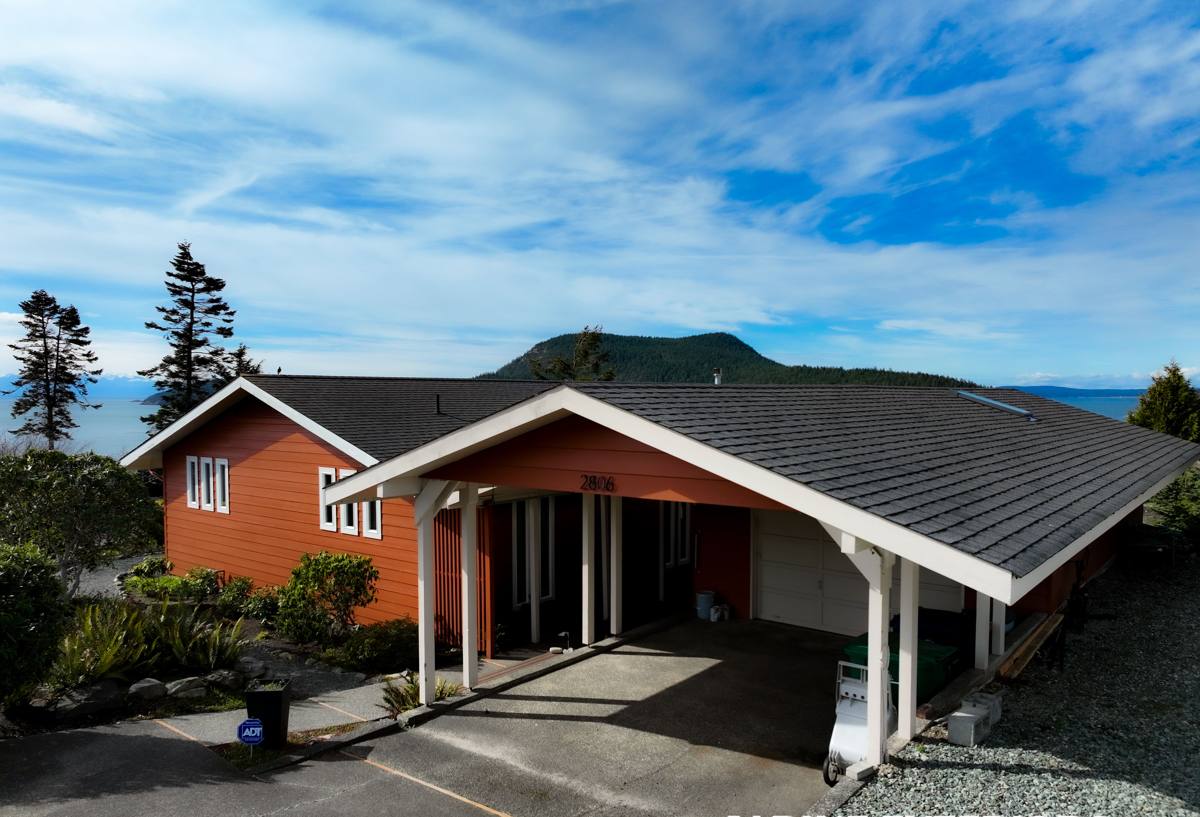
What Driving Rain, Shade, and a Long Moss Season Do to Exterior Surfaces
Three conditions do most of the damage to homes in this part of Whatcom County, and they compound each other:
- Driving rain — wind-driven storms push water sideways into siding seams, window flashing, and any gap in a roof system, rather than just running straight down. That means water finds its way into places a dry-climate installation would never have to worry about.
- Persistent shade — tree cover common in and around Acme keeps roofs, north-facing siding, and decks wet longer after every rain event. Surfaces that dry out in a few hours in open sun can stay damp for days here.
- A long moss season — moss and algae need moisture and shade to establish, and this area supplies both generously. Once moss gets a foothold on a roof or in a siding seam, it holds water against the surface and accelerates whatever breakdown is already happening underneath.
None of this means exterior materials are doomed to fail here — it means the materials and the installation have to be chosen and detailed for these specific conditions, not for a generic weather profile.
Siding: Why We Install Only James Hardie Fiber Cement in Acme
We install James Hardie fiber cement siding exclusively. That's not a marketing angle — it's a standard we hold to because of what we've seen happen to other siding materials in exactly this kind of climate.
What We Won't Install, and Why
We don't install vinyl, LP SmartSide, Cemplank, Allura, or unprimed cedar and spruce siding, even though homeowners ask about all of them:
- Vinyl expands and contracts with temperature swings, and its seams and J-channels give driving rain more opportunities to get behind the panel. It also can't take the same paint or repair treatment as fiber cement once it's weathered or damaged.
- LP SmartSide is an engineered wood product with a resin-treated strand core. It performs reasonably well when installation and caulking are perfect and stay that way, but wood-based siding is inherently more moisture-sensitive than fiber cement, and in a shaded, high-moisture area that margin for error matters.
- Cemplank and Allura are also fiber cement, and reasonable products in their own right — but we don't have the same long-term factory-finish and warranty track record with them that we have with Hardie's ColorPlus system, and we'd rather stand behind one product we know thoroughly than several we know less well.
- Primed cedar or spruce looks great initially, but real wood siding needs ongoing maintenance — recoating, caulking, moisture monitoring — that most homeowners underestimate, especially in a climate that doesn't give the wood much chance to dry between rain events.
The Hardie Advantage for This Climate
James Hardie siding is fiber cement — sand, cement, and cellulose fiber — which means it doesn't absorb and swell with moisture the way wood-based products can, and it's non-combustible. Hardie's HZ5 product line is engineered specifically for climates with freeze-thaw cycles and sustained moisture exposure, which describes Whatcom County well. The ColorPlus factory finish is baked on under controlled conditions, which holds color and resists the kind of fading and moisture intrusion at the surface that field-applied paint struggles with over time. And Hardie backs the product with a strong transferable warranty, which matters more here than in drier regions because there's simply more weather working against the finish year-round.
Roofing for Whatcom County's Wet, Shaded Conditions
Roofing in Acme has to account for the same moss and moisture pressure as siding, plus the added factor of standing water risk on low-slope sections and valleys. We pay close attention to underlayment quality, flashing details at every penetration and valley, and ventilation — a roof that can't breathe traps moisture underneath the shingles, which speeds up moss growth and shortens the roof's life regardless of how good the shingle itself is. Gutter sizing and placement matter more here too, since overwhelmed gutters during a heavy driving-rain event send water exactly where a roof and siding system are least equipped to handle it: behind the drip edge and into the wall assembly.
Windows: Keeping Driving Rain Out
Window failures in this climate are rarely about the glass — they're about flashing and installation. Wind-driven rain will find any gap around a window frame that isn't properly flashed and sealed, and once water gets behind a window into the wall cavity, the damage is often hidden until it's significant. When we replace windows, correct flashing integration with the surrounding wall assembly and siding is treated as seriously as the window unit itself. We also talk with homeowners honestly about energy performance, since a long, damp, cool season means a poorly sealed window costs more in comfort and heating bills than it would in a milder climate.
Decks That Can Take the Moisture and Moss
Decks in shaded parts of Acme deal with the same slow-drying conditions as roofs and siding, plus direct foot traffic and structural load. Moss and algae on deck boards aren't just cosmetic — they make the surface slick and hold moisture against the wood or composite material, which accelerates rot in structural framing if it's not addressed. Proper spacing between boards, ledger board flashing at the house connection, and material choice suited to a shaded, wet site all make a real difference in how long a deck lasts before it needs structural repair rather than just a cleaning.
Comparing Siding Materials in This Kind of Climate
| Material | Moisture Behavior in Shade/Rain | Moss & Algae Resistance | Maintenance Load |
|---|---|---|---|
| James Hardie Fiber Cement | Does not swell or rot; dimensionally stable when wet | Factory ColorPlus finish resists staining and buildup | Low — occasional wash, no recoating on ColorPlus |
| Vinyl | Panels don't absorb water, but seams allow water behind the surface | Moderate; can trap moisture and grime at overlaps | Low, but limited repair options once damaged |
| LP SmartSide (engineered wood) | Moisture-sensitive at cut edges and seams if caulking fails | Moderate; depends on coating upkeep | Moderate — needs ongoing caulk and coating checks |
| Primed Cedar/Spruce | Absorbs moisture; slow to dry in shade | Low without regular treatment | High — recoating and moisture monitoring required |
Why a Local Crew Matters in Acme
A crew that works Whatcom County regularly knows how to sequence a job around this area's weather — when it's realistic to get a roof dried in before the next rain system, how long a siding install can safely sit exposed, and which details actually matter for a house that's going to spend most of the year damp and shaded rather than dry and sunny. We also know the permitting and inspection process for Whatcom County, which keeps a project moving instead of stalling on paperwork. That local familiarity is worth more than it sounds like on paper — it's the difference between a crew guessing at a generic install and one that's detailed a hundred roofs and siding jobs for exactly these conditions.
What to Expect When You Work With Us
- An honest on-site assessment of your siding, roofing, windows, or deck — including what's actually causing any moisture, moss, or wear issues you're seeing
- A clear explanation of material options, with straightforward reasoning for our James Hardie-only siding standard
- A written estimate with no pressure to sign on the spot
- Proper flashing, ventilation, and drainage detailing on every job — not just the visible finish work
- Scheduling that accounts for realistic weather windows rather than rushing work into a wet forecast
- A transferable warranty on Hardie siding installations, backed by correct installation to manufacturer spec
If you're weighing a siding, roofing, window, or deck project for a home in Acme, we're glad to walk the property with you and give you a straightforward assessment. Reach out for a free, no-pressure estimate using the form below.