 Lynden Exterior
 Window Installation Built for Deming's Climate
Deming sits in the foothill country east of Lynden, where the Nooksack River valley traps moisture and the tree cover stays thick most of the year. Homes out here deal with a different set of pressures than a house closer to town. Rain doesn't just fall here, it lingers — soaking into siding, wicking behind trim, and finding its way into any window opening that wasn't sealed correctly the first time. Add in the shade from surrounding timber and the humidity that comes with it, and you've got ideal conditions for slow-building moss, mildew, and wood rot around window frames that never quite dry out.
Whatcom County as a whole gets a heavy dose of marine-influenced weather off the Pacific, and even this far inland, that shows up as driving rain that hits windows sideways during winter storms. A window installation that would hold up fine in a drier climate can fail here within a few years if the flashing, sealants, and drainage details aren't done right. That's the standard we install to on every Deming job.
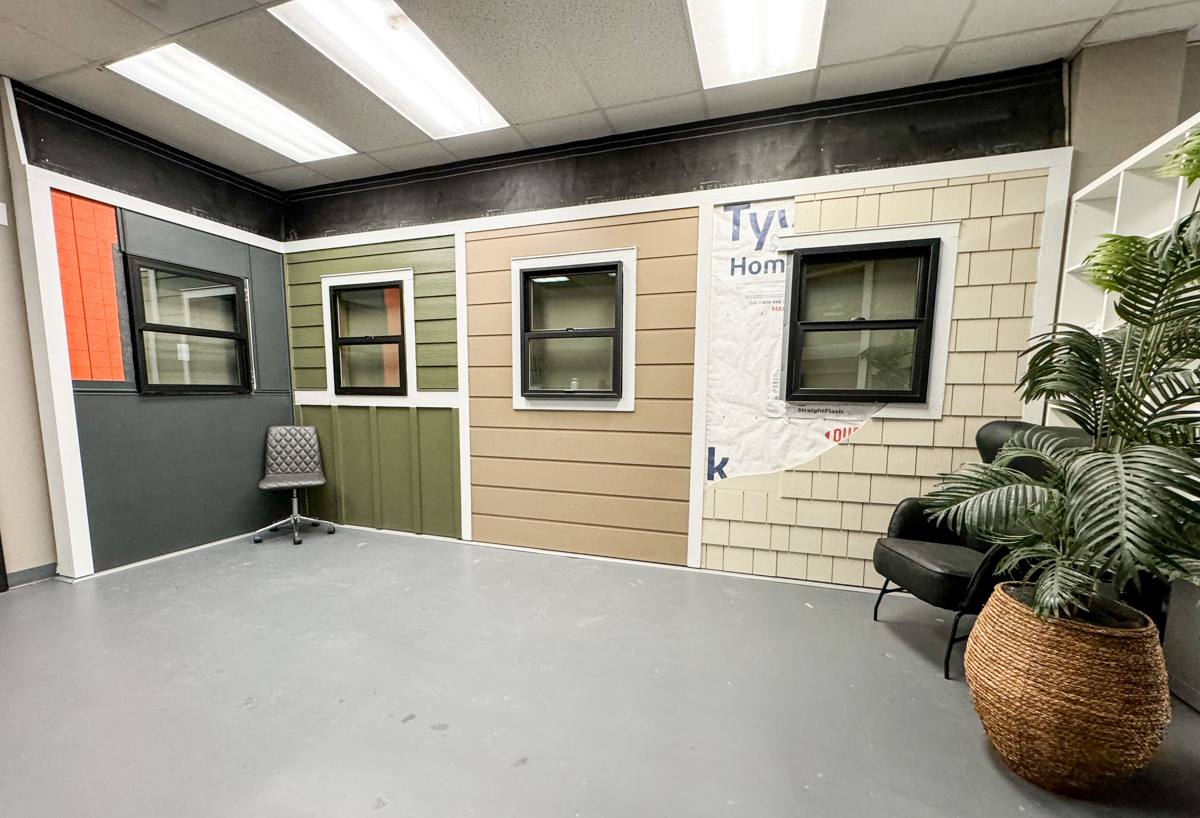
Signs a Deming Home Needs New Windows
Because of the moisture load in this area, window failure often shows up as water damage before it shows up as a drafty room. Homeowners should watch for:
- Soft or discolored trim and drywall around the window frame
- Fogging or condensation trapped between glass panes (a sign the seal has failed)
- Visible moss or black staining building up on the sill or exterior casing
- Windows that are difficult to open, close, or lock — often a sign the frame has swelled or shifted
- A noticeable draft or cold spot near the window even when it's fully closed
- Peeling paint or bubbling on interior sills, which usually means moisture is already inside the wall cavity
Any one of these on its own might be minor. Two or three together usually means the window and the flashing behind it need to come out, not just get caulked over.
What a Correct Window Installation Actually Involves
Window installation looks simple from the outside — take one out, put one in — but the parts nobody sees are what determine whether it lasts 20 years or leaks in year three. In a wet, shaded area like Deming, we treat these details as non-negotiable.
Flashing and Moisture Barriers
Every opening gets flashed so that any water reaching the window sheds down and out, never inward toward the framing. That means integrating the window with the house wrap or moisture barrier correctly at the sides and head, not just relying on exterior caulk. Caulk is a backup layer, not the primary defense against water intrusion.
Sizing and Structural Fit
An opening that's slightly out of square (common in older Whatcom County homes that have settled over decades) needs to be shimmed and leveled properly before the window ever gets fastened in. A window forced into a bad opening will bind, leak at the corners, or stress the glass seal early.
Insulation and Air Sealing
The gap between the window frame and the rough opening needs to be filled with a proper low-expansion foam or backer rod and sealant — not stuffed with fiberglass batting, which does nothing to stop air movement and can actually hold moisture against the frame.
Interior and Exterior Finish Work
Trim, sill pans, and interior casing get reinstalled cleanly, and exterior caulking is matched to the siding material so it doesn't become the next thing that cracks and lets water in.
Choosing the Right Window for This Climate
There's no single "best" window material for every home, but in a damp, shaded, tree-heavy area like Deming, some trade-offs matter more than others.
| Frame Material | Moisture Performance | Maintenance | Typical Lifespan |
|---|---|---|---|
| Vinyl | Won't rot; handles constant damp exposure well | Low — occasional cleaning | 20–30 years |
| Fiberglass | Excellent; very stable in wet, temperature-swinging conditions | Low | 30+ years |
| Wood-clad | Good if maintained; vulnerable at any point where cladding is breached | Higher — needs periodic inspection/refinishing | 20–30 years with upkeep |
| Aluminum | Prone to condensation without thermal breaks; conducts cold | Moderate | 20–25 years |
We don't push wood-clad windows on heavily shaded Deming lots as a default recommendation. It's not that wood-clad windows are a bad product — it's that in a spot where a house sits under tree cover most of the day and surfaces rarely fully dry out, any nick or gap in the cladding becomes an entry point for rot faster than it would on an open, sunny lot. We'll always tell you honestly which option fits your specific site, sun exposure, and budget.
Our Window Installation Process
- On-site assessment — we look at existing window condition, framing, drainage paths, and any signs of past water intrusion before recommending anything.
- Honest scope and estimate — you get a clear breakdown of what's being replaced, what material makes sense for that opening, and why.
- Removal and opening inspection — once old windows come out, we check the framing underneath. Hidden rot gets addressed before a new window goes in, not covered up.
- Flashing, insulation, and installation — each window is set, shimmed, flashed, and sealed to shed water outward.
- Finish work — interior and exterior trim is completed to match the home.
- Final walkthrough — we test operation, check seals, and go over care basics with you before we consider the job done.
Mistakes We See in Older Deming Window Installs
A lot of the repair calls we get in this area aren't about the window itself failing — they're about how it was put in years ago. The most common issues we find during removal:
- Exterior caulk used as the only water barrier, with no proper flashing behind it
- Windows set directly against bare framing with no sill pan, so any water that gets in has nowhere to drain
- Gaps packed with fiberglass insulation instead of sealed with foam or backer rod
- Trim reinstalled tightly against the frame with no room for the house to expand and contract seasonally
These aren't dramatic failures on day one. They're slow leaks that show up as soft trim and moss stains three, five, or ten years later — which is exactly the timeline we see on a lot of Deming service calls.
Why a Crew That Already Works This Area Matters
Deming isn't Lynden proper, and it isn't the coast either — it's its own microclimate shaped by river valley humidity, heavier tree cover, and a longer stretch of the year where surfaces just don't dry out. A crew that mostly installs windows in drier, more open parts of Whatcom County can still do competent work, but they may not default to the extra flashing detail or drainage planning that a shaded, damp lot actually needs.
We work throughout Lynden and the surrounding Whatcom County communities, including Deming, and we adjust our approach based on what a specific property's sun exposure, tree cover, and drainage look like — not a one-size-fits-all install.
What Affects the Cost of Window Installation
| Cost Factor | Why It Matters |
|---|---|
| Number and size of windows | More openings and larger units mean more material and labor |
| Frame material chosen | Vinyl is typically the most budget-friendly; fiberglass and wood-clad cost more upfront |
| Condition of existing framing | Hidden rot found during removal adds repair work before the new window can go in |
| Access and site conditions | Second-story or hard-to-reach windows take more time and equipment |
| Full-frame vs. insert replacement | Full-frame replacement (recommended where there's water damage) costs more than a simple insert swap |
We won't quote a price without seeing the actual openings and framing condition first — anyone who gives you a firm number over the phone for a full window job is guessing.
Keeping New Windows Performing in Deming's Climate
Once new windows are in, a little seasonal attention goes a long way in this environment. Rinse pollen, dirt, and organic buildup off tracks and sills a couple times a year so moss and algae don't get a foothold. Check exterior caulk lines annually, especially after a hard winter, since caulk is the first thing to show wear before it becomes a real leak. And keep an eye on any spots shaded heavily by trees — those areas dry slower and deserve a closer look than the sunnier side of the house.
If you're seeing drafts, fogged glass, or moisture stains around your windows in Deming, we're glad to take a look and give you a straight answer on what's actually going on. Reach out for a free, no-pressure estimate using the form below.