 Lynden Exterior
 Siding Repair for Homes in the Deming Area
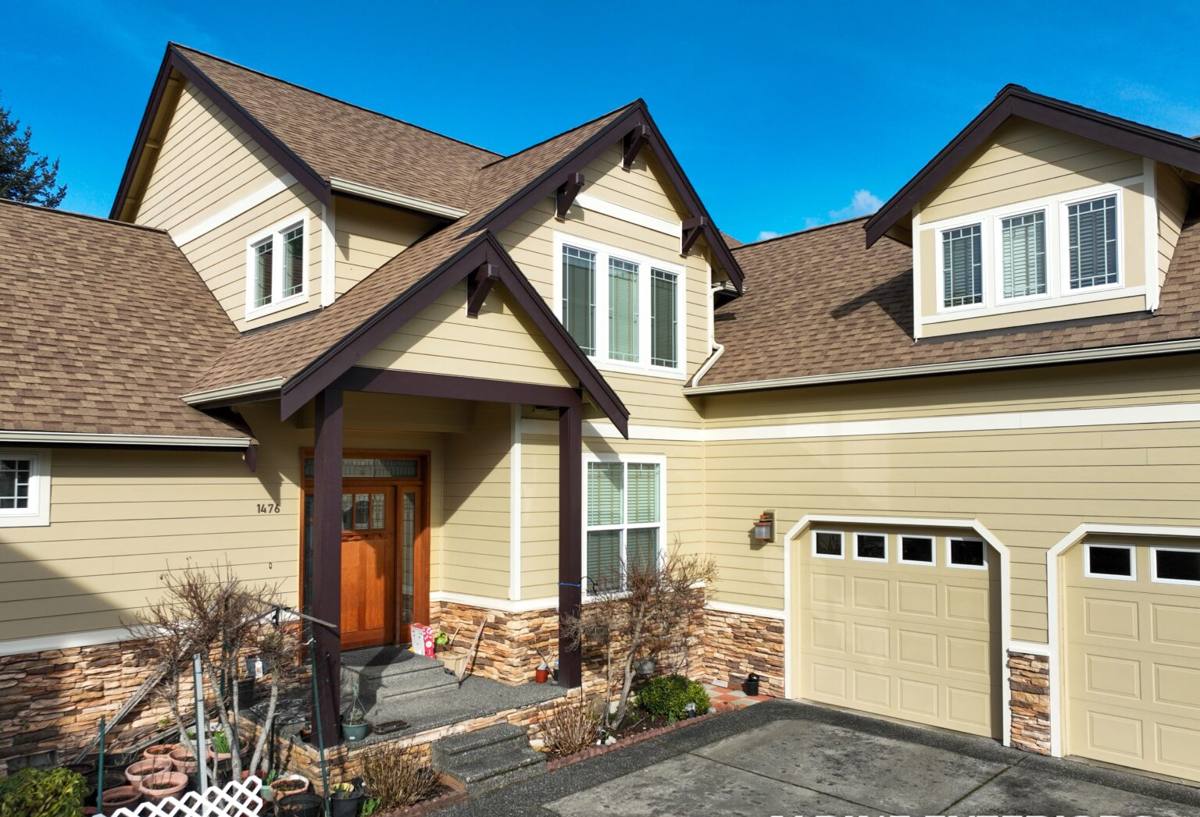
Homes around Deming sit in a part of Whatcom County that takes weather seriously. Between the moisture rolling in off the water, driving rain that finds its way into every gap and seam, and a moss season that seems to stretch longer every year, exterior siding here works harder than it does in most parts of the country. When siding starts to fail — a soft spot near a window, a bowed panel, a section that's gone spongy at the base — it rarely stays a small problem for long. Lynden Exterior Co repairs siding on homes throughout the Deming area, and we've built our repair process around what actually causes damage in this climate, not a generic checklist.
This page focuses specifically on siding repair — not full replacement — for homeowners in and around Deming who have noticed a problem area and want it fixed correctly the first time.
Why Siding Fails Faster Here Than It Should
Most siding problems we see aren't random. They follow patterns tied directly to how this region's weather interacts with certain materials and certain installation shortcuts.
Moisture That Doesn't Let Up
Long stretches of damp weather mean siding rarely gets a full dry-out period. If water gets behind a panel — through a cracked caulk line, a nail hole, or a poorly flashed window — it can sit there for weeks before anyone notices. Wood-based and composite products that absorb moisture are especially vulnerable to swelling, delamination, and rot under these conditions.
Driving Rain and Wind-Driven Water
Rain that comes in sideways during a storm pushes water into places that vertical rain never reaches — under trim edges, around outlets and hose bibs, and into seams that were installed a little too tight or a little too loose. Over time, this is what turns a hairline gap into a real leak path.
Moss, Algae, and a Long Growing Season
Shaded, north-facing walls and areas near trees stay damp longer, which gives moss and algae a foothold on siding surfaces and in the joints between panels. Beyond the cosmetic issue, moss holds moisture directly against the siding surface, which accelerates whatever decay process has already started underneath.
Salt Air's Role in the Broader Region
Across Whatcom County, homes closer to the water deal with airborne salt that accelerates corrosion on fasteners, flashing, and trim — which is worth flagging because corroded fasteners are a common hidden cause of siding that looks fine but is barely attached. Even homes further inland benefit from repair work that accounts for this region-wide pattern rather than assuming problems are purely cosmetic.
Signs Your Siding Needs Repair, Not Just a Wash
Homeowners often try to power-wash or caulk over a problem that actually needs a real repair. Here's how to tell the difference:
- Soft or spongy panels when pressed — usually a sign of moisture damage underneath, not just surface dirt.
- Visible bowing or waviness in a section of siding, which often means water has been trapped behind it.
- Cracked or missing caulk at seams, corners, and around windows and doors.
- Peeling or bubbling paint in one localized area, which usually points to moisture pushing out from behind rather than normal wear.
- Dark staining or persistent moss growth that comes back quickly after cleaning.
- Gaps or separation at panel joints or around trim boards.
- Soft trim or fascia near the siding, which can indicate water has migrated beyond the siding itself.
If you're seeing any of these on a home in the Deming area, it's worth having someone look at it before the next wet season, not after.
What a Correct Siding Repair Actually Involves
A lot of "siding repair" in this region amounts to caulking over a symptom and hoping it holds. We don't do that. A repair that actually lasts has to address what's happening behind the siding, not just what's visible on the surface.
1. Diagnose Before Touching Anything
We remove enough material to see what's actually going on — whether the sheathing underneath is damaged, whether the water-resistive barrier is intact, and whether the problem is isolated or spreading. Patching over rotten sheathing or a compromised barrier just delays a bigger repair.
2. Address the Water Path, Not Just the Panel
If a window is improperly flashed, or a seam was never properly lapped, replacing the siding alone won't fix anything — the same failure will happen again. Correcting the underlying water path is the part of the job that actually prevents a repeat visit.
3. Match and Replace, Not Just Patch
Where panels need to be replaced, we match the profile, reveal, and finish as closely as possible so the repaired section doesn't stand out. For homes with James Hardie siding, this is straightforward because the product line is consistent and well-documented. For homes with other materials, matching can be harder — which is one of several reasons we've standardized on Hardie for the work we install.
4. Reseal and Reinspect
Proper sealant at seams and penetrations, correct fastener placement, and a final check that water will shed away from the wall rather than into it.
Our Process, Start to Finish
| Step | What Happens |
|---|---|
| 1. On-site assessment | We inspect the damaged area and check nearby sections for related issues before quoting anything. |
| 2. Honest diagnosis | We explain what's actually wrong, what caused it, and whether it's a contained repair or a sign of a bigger issue. |
| 3. Written estimate | Clear scope, materials, and a straightforward price range before any work begins. |
| 4. Repair work | Removal of damaged material, correction of the underlying water path, and replacement with matched siding. |
| 5. Final inspection | We check seams, flashing, and fasteners before calling the job complete. |
Repair vs. Replacement: How We Help You Decide
Not every problem area means the whole wall needs new siding, and we're not interested in selling a bigger job than a home actually needs. That said, there are situations where repair isn't the right call.
| Factor | Repair Usually Makes Sense | Replacement Worth Considering |
|---|---|---|
| Extent of damage | Isolated to one or two sections | Spread across multiple walls or elevations |
| Underlying siding age/condition | Otherwise sound, recently installed | Original siding is decades old and failing broadly |
| Material type | James Hardie or another well-matched product available | Discontinued product with no reasonable match |
| Cause of damage | A single fixable issue (flashing, caulk, one impact point) | Systemic moisture intrusion behind large sections |
We'll always tell you honestly which category your home falls into — including when the answer is that a repair is all you need.
Why We Only Install James Hardie
When we do need to replace damaged sections, we use James Hardie fiber cement — full stop. We don't install vinyl, LP SmartSide, Cemplank, Allura, or primed wood siding, and that's a deliberate standard, not a limitation on what we're capable of installing.
Fiber cement doesn't absorb water the way wood-based composite products can, which matters enormously in a climate where siding rarely gets a long dry stretch. It's non-combustible, which is a real advantage regardless of moisture concerns. The ColorPlus factory finish holds up to UV and moisture far better than field-applied paint, which means repaired sections keep their color and don't become the spot on the house that needs repainting every few years. Hardie's HZ5 product line is engineered specifically for climates like this one, with freeze-thaw cycling and sustained moisture exposure in mind. And because it's a widely available, consistent product line, matching new panels to existing siding on a repair is far more reliable than trying to match a discontinued or regionally inconsistent product.
We're not against every alternative product on principle — each has real strengths. But for the repair and replacement work we stand behind on homes in the Deming area, Hardie is the material that holds up to what this climate actually does to a house over time.
Why Hire a Crew That Already Works This Area
Siding repair is one of those jobs where local experience shows up in the details. A crew that regularly works around Deming and greater Lynden already knows which wall orientations tend to hold moisture, which older installation habits cause recurring problems, and how aggressive the moss season really gets on shaded elevations. That translates into a diagnosis that catches the real cause the first time, instead of a repair that looks fine for one season and fails again the next.
It also means faster response when timing matters. Catching a soft panel or a failed seam before the next heavy rain stretch can be the difference between a contained repair and a much larger one.
Get a Straight Answer on Your Siding
If you've noticed a problem area on your home's siding, it's worth getting an honest, no-pressure look before it gets worse. We'll tell you plainly whether it's a simple repair, a bigger issue, or something in between — no upsell, no guesswork. Reach out below for a free estimate on siding repair for your home in the Deming area.