 Lynden Exterior
 Windows Built for Deming's Weather, Not Just Its Openings
Deming sits close enough to the water and low enough in the valley that homes here take a steady beating from moisture — salt-tinged air moving in off the Sound, driving rain that comes sideways more often than straight down, and a moss season that seems to stretch longer every year. Windows are one of the first places that shows up. Not always as a leak. Usually it starts quieter: a sash that swells and sticks in the fall, a sill that stays damp two days after the rain stops, a frame corner where the paint keeps failing no matter how many times it's touched up.
Custom windows done right in this area aren't just about picking a style you like. They're about matching the window unit, the flashing, and the installation method to a climate that never really dries out for long stretches of the year. That's the piece that gets skipped when a job is done fast or by a crew that doesn't normally work this corner of Whatcom County.
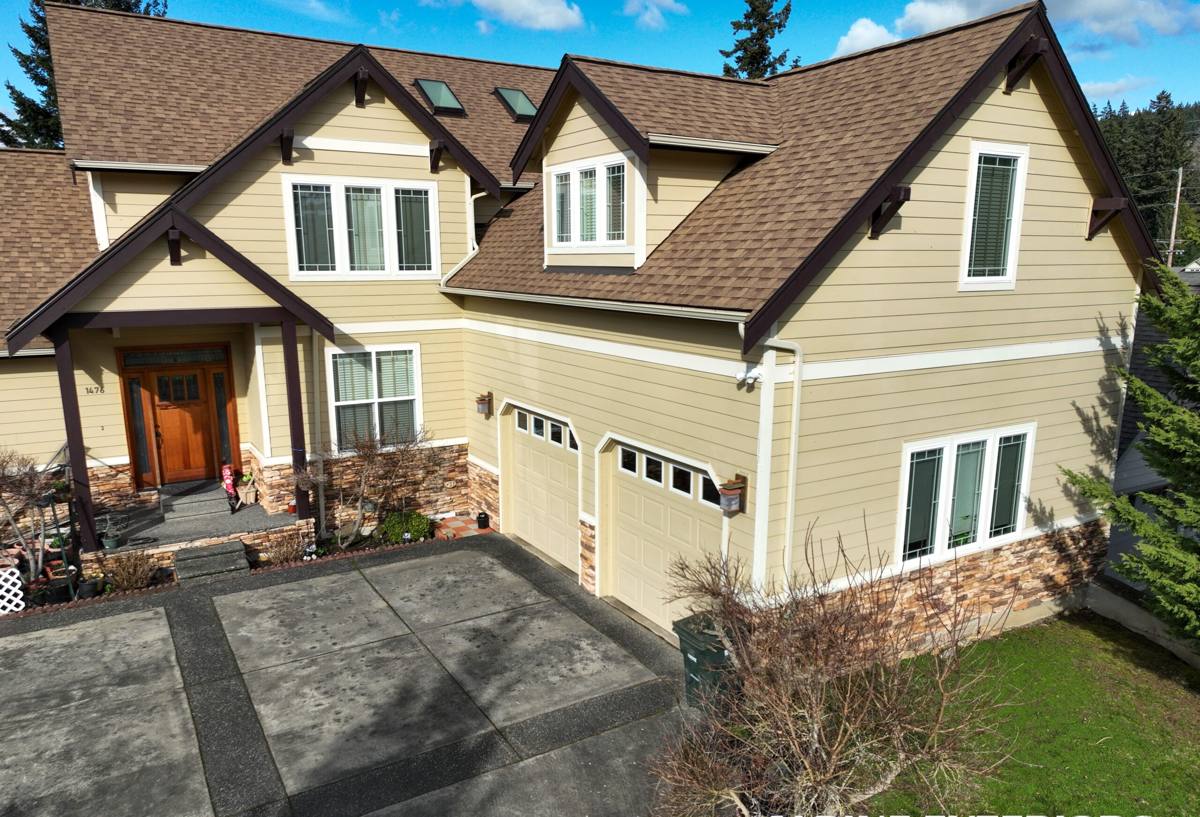
What "Custom" Actually Means for a Deming Home
Custom doesn't have to mean unusual shapes or high-end architecture, though we do that too. Most of the custom window work we do in Deming is about getting an exact fit for an older opening, matching a specific look on a farmhouse or ranch-style home, or solving a problem a stock window can't — a rough opening that's slightly out of square, a wall that's thicker or thinner than modern standard framing, or a sightline the homeowner wants to keep unbroken.
Common reasons Deming homeowners go custom
- Older homes with openings that don't match today's standard window sizes
- Replacing a single unusual window (arched, oversized, or oddly proportioned) without redoing the whole wall
- Matching grille patterns and trim profiles across additions built in different eras
- Upgrading glass performance in a room that stays cold, damp, or fogged in winter
- Fixing chronic condensation or rot around one or two problem windows before it spreads
Where Rural and Semi-Rural Lots Change the Job
A lot of Deming properties sit on larger lots with more tree cover than in-town Lynden, which means more shade, more standing moisture near the foundation, and more moss and algae growth on north- and east-facing walls. Windows on those exposures need attention to drainage and flashing details that a south-facing town lot might not require. We look at the whole wall assembly around a window opening, not just the window itself, because a good window in a poorly flashed opening will fail anyway.
What the Regional Climate Actually Does to Windows
Whatcom County's combination of salt air, near-constant winter rain, and heavy moss growth affects windows in a few specific, predictable ways:
| Climate Factor | Effect on Windows | What We Watch For |
|---|---|---|
| Salt-influenced air | Accelerated corrosion on hardware, hinges, and metal cladding | Corrosion-resistant hardware and cladding finishes rated for coastal-influenced air |
| Driving, wind-driven rain | Water intrusion at the sill and side jambs, especially on west and south exposures | Proper flashing laps, sill pan installation, and sealant placement, not just caulk on the surface |
| Long, low-sun moss season | Moisture trapped near frames on shaded walls, slower drying, wood rot risk | Adequate drainage paths and materials that tolerate sustained dampness |
| Temperature swings, damp cold | Condensation on interior glass and frames in poorly insulated units | Glass package and frame material suited to the specific room and exposure |
What a Correct Installation Involves
The window unit itself is maybe half the job. The other half is everything around it, and that's where most window failures actually start.
Before the new window goes in
- Full removal of the old unit and inspection of the framing and sill for hidden rot or water staining
- Repair or replacement of any compromised framing before anything new is installed
- Installation of a proper sill pan to direct any water that gets past the window back outside
Sealing and flashing
- Flashing tape and building paper integrated in the correct shingle-lap order so water sheds down and out, not into the wall
- Sealant used at the right joints — not as a substitute for proper flashing, but in addition to it
- Attention to the top flashing detail especially, since that's the piece most often rushed or skipped
Finish work
- Interior and exterior trim fitted tight and painted or finished to match the rest of the home
- Hardware checked for smooth operation across the full range of motion, in both dry and damp conditions
- A final water test where conditions warrant it, particularly on exposed walls
Choosing Frame and Glass for This Area
There's no single "best" window material for every home — it depends on exposure, budget, and how the home is used. What we do is walk through the honest trade-offs for your specific situation rather than push one product line.
| Frame Material | Strengths in This Climate | Trade-Offs to Know |
|---|---|---|
| Vinyl | Low maintenance, resists moisture and corrosion well, cost-effective | Fewer custom color and profile options; can look less traditional on older homes |
| Fiberglass | Very stable in temperature swings, strong, holds paint well | Higher upfront cost than vinyl |
| Wood-clad | Classic look, good for matching historic or farmhouse styling | Requires more diligence on flashing and finish maintenance in wet climates; cladding quality matters a lot here |
| Aluminum | Strong, slim sightlines for large openings | Conducts cold more than other materials; needs a thermal break for this climate |
For glass, we typically talk through double- versus triple-pane and Low-E coating options based on which walls of the home take the most weather and how the room is used. A north-facing bedroom with chronic condensation gets a different recommendation than a sunroom on the south side.
Why We Don't Cut Corners on Flashing and Sealing
We've seen what happens when a window looks fine for a year or two and then starts failing — usually it traces back to flashing that wasn't lapped correctly, a missing sill pan, or sealant used in place of proper drainage instead of alongside it. In a climate with this much sustained rain and shaded moisture, those shortcuts show up faster here than they would in a drier region. We treat the flashing and drainage details as the actual job, not the prep work before the "real" installation. It's slower, but it's the difference between a window that lasts and one that needs revisiting in a few years.
Our Process for Deming Window Projects
- On-site assessment — we look at each window opening individually, check for existing rot or moisture damage, and note exposure direction for each wall
- Honest recommendation — frame material, glass package, and style options explained with real trade-offs, matched to your budget and the home's exposure
- Custom measurement and ordering — exact sizing for each opening rather than forcing a stock size
- Removal and framing repair — old units removed, any hidden damage repaired before the new window goes in
- Installation with full flashing and sill pan system — done to shed water correctly for this specific climate
- Trim, finish, and final check — interior and exterior finish work, hardware operation check, and a walkthrough with you
Why a Crew That Already Works Deming Matters
A contractor who mainly works drier inland areas or newer subdivisions doesn't always have a feel for what Whatcom County's salt air and rain load do to a window installation over time. A crew that regularly works Lynden, Deming, and the surrounding county knows which exposures on which types of homes tend to develop problems, what moss and moisture buildup on shaded walls actually looks like before it becomes structural, and how to detail flashing so it holds up through years of the wet season rather than just passing a quick visual check. That local pattern recognition is hard to substitute for.
Signs It's Time to Replace, Not Just Repair
- Visible rot, soft wood, or staining at the sill or corners of the frame
- Persistent fogging or moisture between panes on double- or triple-glazed units
- Windows that are difficult to open, close, or lock, especially after damp weather
- Drafts or noticeable temperature difference near the window even when it's closed and locked
- Visible daylight or gaps around the frame from outside
If you're seeing any of these signs, or you're planning ahead for a home in Deming, we're happy to take a look and give you a straightforward, no-pressure estimate — no guesswork, just an honest read on what your windows actually need.