 Lynden Exterior
 Window Replacement Built for Sumas and the Surrounding Nooksack Valley
Sumas sits at the far north edge of Whatcom County, tucked against the Canadian border and surrounded by dairy and berry farmland along the Nooksack Valley. It's a small, close-knit community, and the housing stock reflects it — older farmhouses, post-war homes, and a mix of newer construction that's had to hold up against decades of Pacific Northwest weather rolling in off the Salish Sea and up the valley. Windows out here don't fail because of one bad storm. They fail slowly, from years of moisture working into places it was never supposed to reach.
We work window replacement jobs throughout the Lynden and Sumas area regularly, which matters more than most homeowners realize. A window that performs fine in a dry inland climate can be the wrong choice fifteen miles away in a valley that stays damp from October through May. This page is about what actually works here, not a generic rundown of window options.
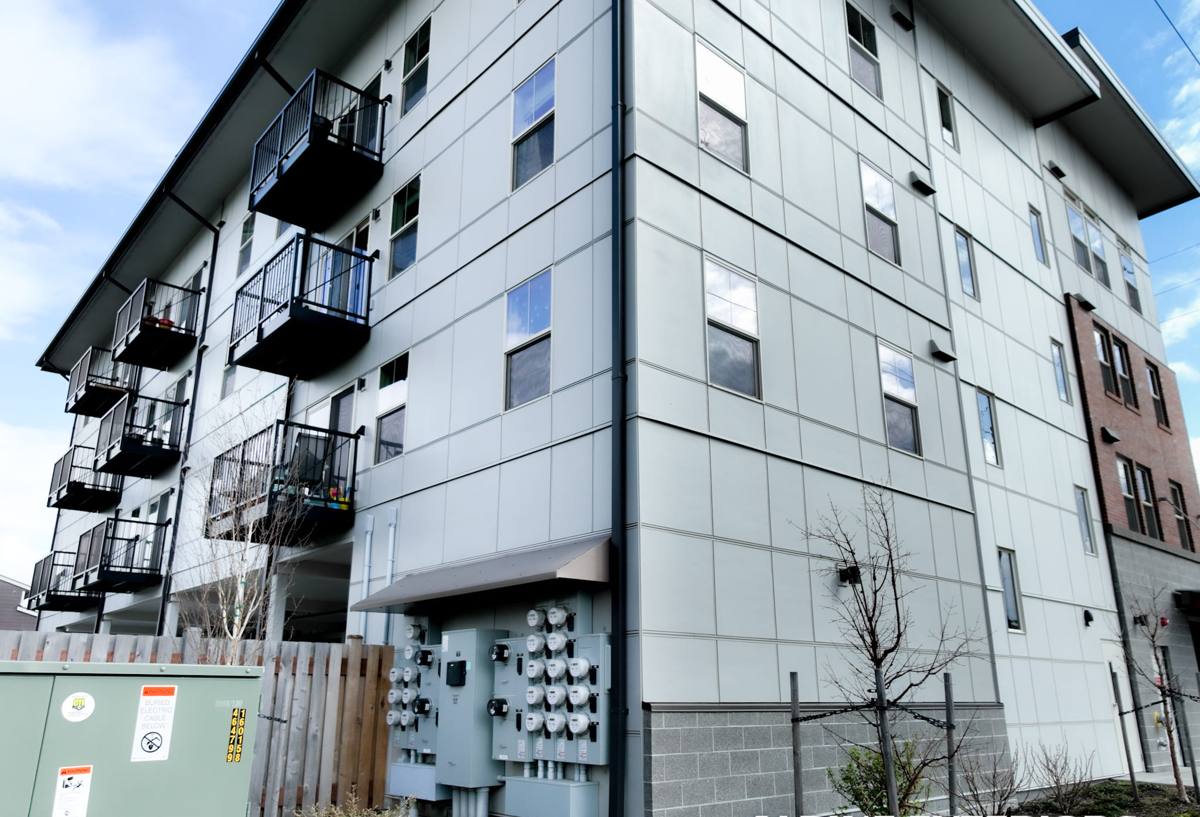
What This Climate Does to Windows Over Time
Whatcom County gets a steady dose of marine-influenced weather — moisture-laden air pushes in off the water and settles into low-lying valleys like the one Sumas sits in, where fog and damp air can linger longer than in more exposed or elevated parts of the county. Add driving rain that comes in sideways during winter storms, and a moss season that can stretch nearly eight months out of the year, and you've got conditions that specifically target the weak points in a window installation.
The failure points we see most often
- Sill and sub-sill rot where wood-framed or poorly flashed windows sit low enough to catch standing moisture after storms.
- Failed seals on double-pane glass, showing up as fog or condensation trapped between the panes — a sign the argon fill and seal have already given out.
- Moss and organic buildup in exterior tracks, weep holes, and trim, which holds moisture against the frame long after the rain stops.
- Soft or spongy trim and casing, especially on the north and west-facing sides of a house that get the most direct weather.
- Drafts and cold spots that trace back to shrunken or dried-out weatherstripping, not necessarily a bad window itself.
Signs a Sumas-Area Home Needs Window Replacement, Not Just Repair
Not every problem window needs full replacement — sometimes a reglaze, new weatherstripping, or hardware fix solves it. But there's a point where repair is just delaying an inevitable, more expensive job. Here's how we help homeowners tell the difference.
- Fog or moisture trapped between panes of double-glazed glass (the seal has failed — this can't be repaired, only the glass unit or window replaced).
- Visible rot or soft wood in the sill, jamb, or surrounding trim.
- Windows that are painted or swollen shut, especially older wood units.
- A noticeable draft near the frame even with the window fully latched.
- Single-pane glass anywhere in the home — in this climate, the energy loss and condensation problems usually outweigh any cost savings from patching around it.
- Visible daylight or gaps around the frame from outside.
What a Correct Window Replacement Job Actually Involves
The window itself is maybe half the job. The other half — the part that determines whether it lasts 20 years or leaks in three — is the installation detail work most homeowners never see once trim is back on.
Full-frame vs. insert replacement
There are two basic approaches, and the right one depends on the condition of what's already there:
| Approach | What it involves | Best fit |
|---|---|---|
| Insert (pocket) replacement | New window fits inside the existing frame, which stays in place | Existing frame is solid, dry, and square — common in newer or well-maintained homes |
| Full-frame replacement | Old frame is removed down to the rough opening, new flashing and frame installed | Any sign of rot, water staining, or an out-of-square opening — more common in older Sumas-area homes |
We won't default to the cheaper insert method just because it's faster. If we open things up and find soft wood or old flashing that's already failing, we'll tell you honestly — patching a new window into a compromised opening just traps the same moisture problem behind new trim.
Flashing and moisture management
Given how much rain this area sees, correct flashing is the single biggest factor in whether a window replacement holds up. That means proper sill pans, flashing tape integrated with the home's existing weather-resistive barrier, and a drainage path so any water that does get behind the trim has somewhere to go besides the wall cavity. This is the step that gets rushed on low-bid jobs, and it's the one that causes the most expensive problems five or ten years down the road.
Choosing the Right Window for a Sumas-Area Home
Frame material matters more here than in drier climates, because it determines how the window handles years of damp exposure, not just how it looks on day one.
| Frame Material | Moisture Behavior | Maintenance | Typical Lifespan |
|---|---|---|---|
| Vinyl | Won't rot; handles constant damp well | Low — occasional cleaning | 20–30 years |
| Fiberglass | Very stable in wet/dry cycling; minimal expansion | Low | 30+ years |
| Wood (unclad) | Requires diligent upkeep to prevent rot in this climate | High — regular repainting/sealing | Varies widely with maintenance |
| Wood-clad (aluminum or vinyl exterior) | Good — cladding protects wood from direct rain exposure | Moderate | 25–30+ years |
We steer most Sumas and Lynden-area homeowners toward vinyl or fiberglass for the exterior-facing performance, not because wood windows are a bad product, but because our professional standard is to weigh the maintenance burden honestly. An unclad wood window left unpainted for a season or two in this climate will show it fast, and that's a hard thing to blame on the window itself rather than upkeep.
Glass packages worth asking about
- Low-E coatings — help manage heat loss during the long, cool wet season without noticeably darkening the glass.
- Argon or krypton gas fill — improves insulating performance between panes; this is also the seal that eventually fails and causes the foggy-glass problem, so quality of the seal matters as much as the fill itself.
- Warm-edge spacers — reduce condensation risk at the edge of the glass, which is where moisture problems tend to show up first in a damp climate.
How Our Process Works
- On-site assessment. We look at the existing frames, sills, and trim from both inside and outside — not just measure the glass opening.
- Honest scope of work. If we find rot or flashing issues during the assessment, we explain what full-frame replacement would involve and why, before any contract is signed.
- Product selection. We walk through frame material and glass package options based on which side of the house the window faces and how exposed it is to weather.
- Written estimate. Clear scope, materials, and timeline — no vague allowances.
- Installation. Old units removed, openings inspected and repaired as needed, new flashing and window installed, trim finished to match.
- Final walkthrough. We check operation, seals, and exterior finish work with you before calling the job done.
Why Hiring a Crew That Already Works in Sumas Matters
Window replacement isn't a one-size-fits-all product installed the same way everywhere. A crew that mostly works drier or more sheltered areas may not think twice about a detail that's critical in a valley community like Sumas — how far the eaves overhang, how exposed a wall is to prevailing wind-driven rain, or how quickly moss and organic growth will reclaim an exterior sill if the drainage path isn't right. Knowing the housing stock in and around Lynden and Whatcom County generally — the age of the homes, the common construction methods, the way older wood-frame houses were flashed (or weren't) — means fewer surprises once we open up an opening, and a more accurate estimate from the start.
Permits and Timing Considerations
Straight window replacements — same size opening, same location — typically don't require the same level of permitting as a structural change or a window being enlarged or relocated. We handle the permit process when a project needs one, so you're not left tracking down requirements yourself. On timing: while window replacement can be done in almost any season, scheduling around the heaviest stretches of Whatcom County's rainy months when possible makes for a cleaner installation, particularly on full-frame jobs where the opening is exposed to the weather during the work.
Get an Honest Look at Your Windows
If you're noticing fogged glass, drafts, or trim that's starting to look rough around your windows, it's worth having someone take an honest look before deciding between a repair and a full replacement. We offer free, no-pressure estimates for homeowners in Sumas and throughout the Lynden area — fill out the form below and we'll get back to you.