 Lynden Exterior
 Roofing in Sumas: What the Local Climate Actually Demands
Sumas sits in one of the wetter corners of Whatcom County, and the roofs here take a different kind of beating than roofs on the dry side of the state. Marine air moving in off the Sound keeps humidity high most of the year, driving rain during fall and winter storms pushes water sideways under poorly sealed edges and flashing, and the long stretch of overcast, wet weather between storms gives moss and algae months at a time to take hold on north-facing slopes and shaded valleys. None of this means asphalt shingles are the wrong choice for the area — they're still one of the most practical roofing materials for this climate when they're installed correctly. It means the installation details matter more here than they would in a drier region, and a roof that would hold up fine in eastern Washington can fail early in Sumas if it's missing the right underlayment, flashing, or ventilation.
A shingle roof that's built for this specific climate is designed around three things: keeping wind-driven rain from getting under the shingles at all, giving any moisture that does get in a way to dry out through proper attic ventilation, and slowing down the buildup of moss and algae that thrives in prolonged damp shade. Skip any one of those and you're looking at a shorter roof life, regardless of how good the shingles themselves are.
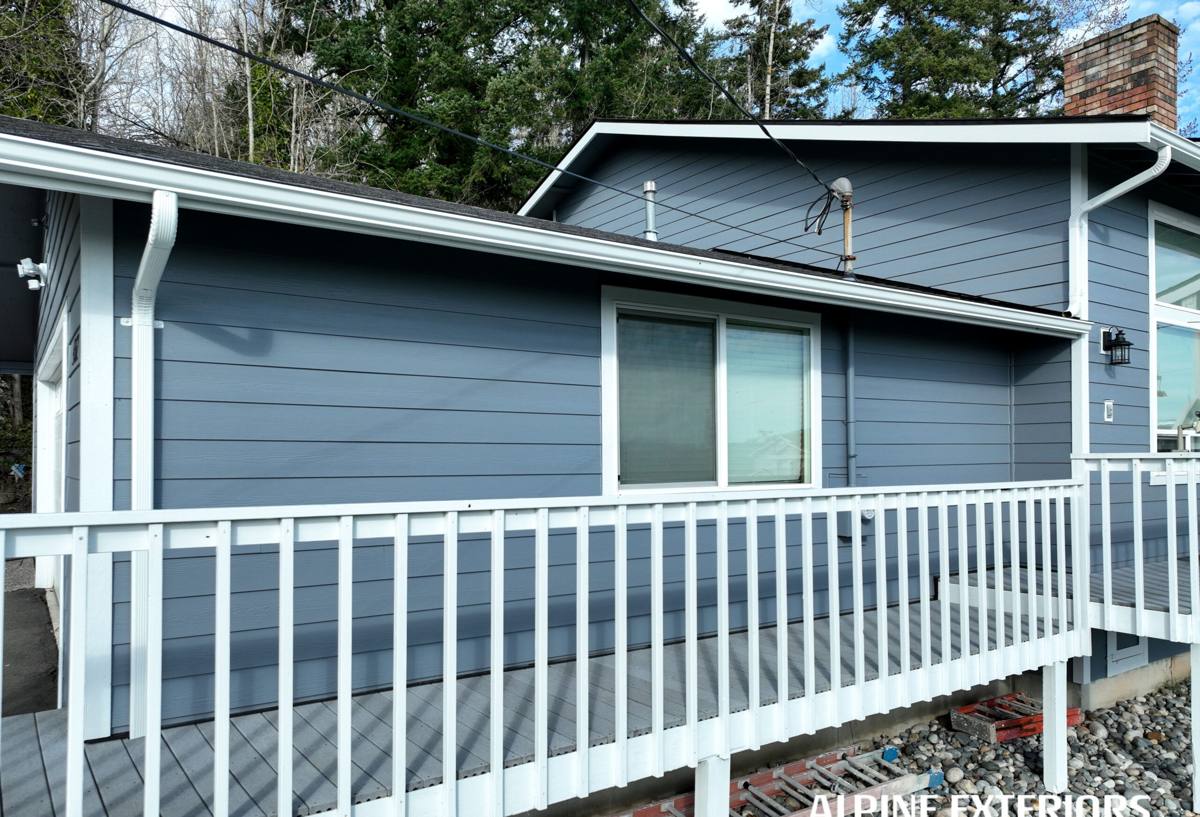
Why Asphalt Shingles Still Make Sense for Sumas Homes
Asphalt shingles remain the most common roofing material in Whatcom County for good reason. They're a proven product with a long track record in Pacific Northwest weather, they come in a wide range of styles and colors that suit everything from older farmhouses to newer builds, and they're more budget-friendly to install and repair than metal, tile, or cedar shake. For most Sumas homes, a well-installed asphalt shingle roof is a straightforward, cost-effective choice that will perform well for decades if it's maintained.
Architectural vs. 3-Tab Shingles
Most re-roofs we do now use architectural (laminated) shingles rather than older 3-tab styles. Architectural shingles are thicker, have a longer manufacturer wind rating, and lie flatter against the deck, which matters in an area that sees regular gusty storms off the water. 3-tab shingles are lighter and less expensive but generally carry a shorter warranty and a lower wind rating — for Sumas' weather pattern, we recommend architectural shingles as the standard, not the upgrade.
What a Correctly Installed Shingle Roof Includes
The shingles themselves get all the attention, but they're only one layer of a roofing system. In a climate with this much sustained rain, the layers underneath the shingles are what actually keep water out of the house.
- Synthetic or felt underlayment across the full deck, lapped correctly so water sheds downhill at every seam
- Ice and water shield membrane at eaves, valleys, and around penetrations — the spots where wind-driven rain is most likely to find a way in
- New flashing at chimneys, skylights, sidewalls, and roof-to-wall transitions, rather than reusing old flashing that's already worked loose or rusted
- Drip edge at eaves and rakes to direct water into the gutters instead of behind the fascia
- Correct nailing pattern and nail placement, per the shingle manufacturer's spec — this is one of the most common shortcuts on rushed jobs and it directly affects wind resistance and warranty coverage
- Balanced intake and exhaust ventilation so the attic can actually dry out between storms
Ventilation and Moisture Control
An asphalt shingle roof over a poorly ventilated attic will age faster no matter how good the shingles are. In a region with as much sustained moisture as this one, trapped attic humidity leads to condensation on the underside of the deck, which shortens the life of the sheathing and can show up as premature shingle deterioration from underneath. Part of a proper roofing job is checking that intake vents at the eaves and exhaust at the ridge are sized correctly for the attic volume — not just replacing the roof surface and leaving whatever ventilation was already there.
Moss, Algae, and the Long Wet Season
Moss is the most visible sign of Sumas' wet climate, and it's more than a cosmetic issue. Moss holds moisture against the shingle surface long after the rest of the roof has dried, and as it spreads it can work its way under shingle tabs and lift them, giving wind and rain a place to get underneath. Shaded, north-facing slopes and areas under overhanging trees are the most common trouble spots because they stay damp the longest between rain events.
A few things make a real difference in how much moss a roof develops over time: keeping trees trimmed back so more sunlight and airflow reach the roof, installing zinc or copper control strips near the ridge on shingle roofs (rain washes trace metal ions down the slope, which discourages moss growth), and keeping gutters and valleys clear so water isn't sitting against the shingles longer than it needs to. None of these eliminate moss entirely in this climate, but together they slow it down significantly and reduce how often the roof needs a gentle cleaning.
Our Process for Sumas Roofing Projects
We keep the process straightforward and try not to make it more complicated than it needs to be.
- Inspection. We get on the roof (or use a camera where access is limited) and check the deck, flashing, ventilation, and shingle condition — not just look at it from the ground.
- Honest scope and quote. We tell you what actually needs to happen — full replacement, partial repair, or something in between — and what it costs, in writing, before any work starts.
- Tear-off and deck check. Old roofing comes off down to the deck, and we check the sheathing underneath for soft spots or water damage before anything new goes down. Rot doesn't get covered up — it gets replaced.
- Install. Underlayment, ice and water shield, flashing, shingles, and ventilation components go in per manufacturer spec, not shortcuts.
- Cleanup and walkthrough. We clear debris and nails from the property and walk the finished roof with you before calling the job done.
Shingle Options and Cost Factors
Shingle cost isn't just about the material — it's a mix of the product tier, the roof's complexity, and what condition the deck and flashing are in underneath. Here's a general breakdown to help frame the conversation before we give you an actual number for your roof.
| Shingle Type | Typical Lifespan | Best Fit |
|---|---|---|
| 3-tab | 15–20 years | Budget-conscious projects, simpler roof lines |
| Architectural / laminated | 25–30 years | Most Sumas homes — better wind rating, more common standard today |
| Premium / designer | 30–50 years | Homeowners wanting a heavier, dimensional look or extended warranty coverage |
Beyond the shingle tier itself, the biggest cost factors are roof pitch and complexity (more valleys, dormers, and penetrations mean more labor and flashing work), how much of the deck needs to be replaced once the old roofing comes off, and whether the current ventilation needs to be corrected or upgraded. We walk through all of this with you during the inspection so the quote isn't a surprise.
Signs Your Sumas Roof Needs Attention Now
Because moss and moisture damage build up gradually, a lot of homeowners don't realize how much wear a roof has until it's leaking. A few things worth checking, or having us check, before that happens:
- Shingle granules collecting in gutters or at downspout outlets
- Curling, cracking, or shingle tabs that have lifted at the edges
- Visible moss growth, especially on shaded or north-facing slopes
- Dark streaking (algae staining) across the shingle surface
- Soft spots when walking the roof, or sagging along the ridge or valleys
- Water stains, discoloration, or musty smell on ceilings or in the attic
- Daylight visible through the roof deck from inside the attic
- Flashing that's visibly rusted, cracked, or pulled away from chimneys and walls
Why a Crew That Already Works Sumas Matters
Roofing crews that work regularly in this specific area understand the local weather pattern in a way that's hard to substitute with general roofing experience. We know how hard the wind-driven rain hits during a fall storm system, how long moss has to sit on a shaded slope before it becomes a real problem, and which details — flashing, ice and water shield placement, ventilation balance — matter most for roofs that have to hold up to this specific combination of rain, moisture, and marine air year after year. That local familiarity shows up in the small decisions made during install, not just in the finished look of the roof.
It also means faster response when something comes up — whether that's a storm-damage inspection after a bad weather system moves through or a straightforward question about a roof we didn't originally install. Being local isn't a marketing line for us; it's the reason we can stand behind the work.
If your Sumas home is due for a new roof, showing early wear, or you just want an honest read on its current condition, we're happy to take a look. Fill out the form below for a free, no-pressure estimate — no obligation, no pushy sales pitch, just a straight assessment of what your roof actually needs.