 Lynden Exterior
 Window Installation for the Sumas Area, Done by People Who Work Here
Homes near Sumas sit in the same wet, marine-influenced weather pattern that runs through the rest of Whatcom County — damp air moving in off the water, long stretches of driving rain in the fall and winter, and a moss season that seems to start earlier every year. Windows take more abuse from this climate than almost any other part of the exterior. A poorly installed window doesn't just leak air — it can let water into the wall cavity where you won't see the damage until it's expensive.
We're based in Lynden and have worked steadily in the surrounding communities, including Sumas, for years. That matters for window work specifically, because so much of getting a window installation right depends on understanding how a house in this region actually behaves in wet weather — where water wants to go, how much moisture a wall assembly can tolerate, and which shortcuts show up as problems two winters later instead of two months later.
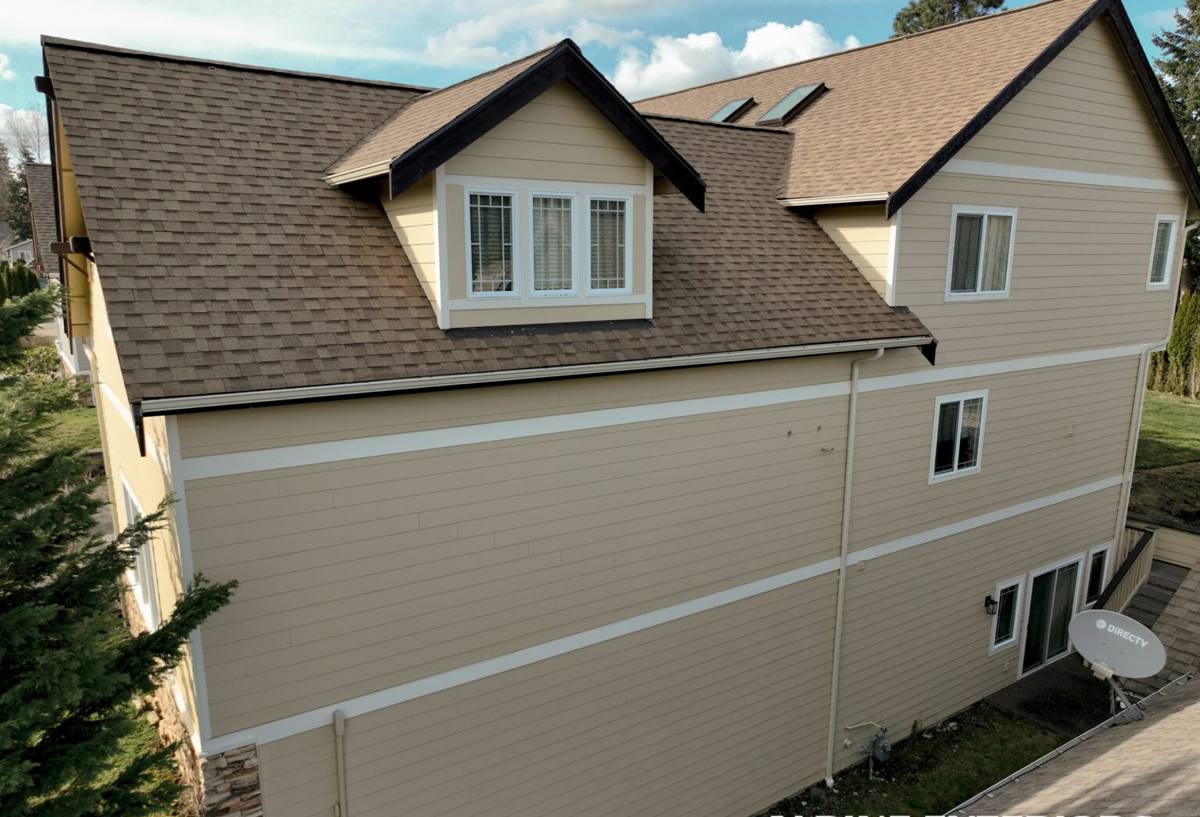
How This Climate Wears Down Windows
It's rarely one dramatic failure. It's a slow accumulation of small problems that compound over a few wet seasons:
- Driving rain finds gaps. Wind-driven rain doesn't just fall straight down — it gets pushed sideways into any seam that isn't properly flashed or sealed, especially on the weather-facing side of a house.
- Condensation and trapped moisture. Older single-pane or poorly sealed double-pane units fog up between panes or sweat on the interior, a sign the seal or the frame is no longer doing its job.
- Wood rot at the sill and jambs. Wood-framed windows and wood trim around any window type are vulnerable if water gets behind the exterior casing and can't dry out between rain events.
- Moss and organic buildup. Moss and algae hold moisture against trim and sills longer than bare wood or vinyl would otherwise stay wet, accelerating rot and finish failure.
- Seal failure in older insulated glass. Once the gas fill and seal on a double-pane unit fail, energy performance drops and moisture starts collecting inside the glass itself.
None of this means windows in Sumas need anything exotic. It means the installation details that get ignored in drier climates — flashing sequence, sill pan drainage, sealant selection, proper shimming — actually matter here, every time.
Signs It's Time to Replace Rather Than Repair
Not every window problem means a full replacement. But a few signs usually point that direction:
- Visible fogging or moisture between the panes of a double-pane window
- Soft, spongy, or visibly rotted wood at the sill, jamb, or exterior trim
- Windows that are difficult to open, close, or lock, or that have warped out of square
- Noticeable draft or cold air near the frame even when the window is fully closed
- Peeling paint, staining, or moss growth concentrated right around the window opening
- Single-pane glass in a home that's otherwise been upgraded — a clear energy and moisture weak point
If you're only seeing one or two of these on an otherwise sound window, a targeted repair or re-sealing might be enough. When several show up together, or the surrounding wall material shows signs of water intrusion, replacement is usually the more honest recommendation.
What a Correct Window Installation Actually Involves
Anyone can set a window into an opening and caulk around the outside. Getting it right in a climate like ours means treating the window as part of the wall's water management system, not just a piece of glass and frame.
Before the Window Goes In
The rough opening gets inspected for square, level, and any existing rot or moisture damage in the framing. Any compromised wood is addressed before a new window ever touches the opening — installing a new window into a wet or rotted frame just hides the problem.
Flashing and Drainage
A sill pan or sloped sill flashing gives any water that does get past the window a way out, rather than a place to pool. Flashing tape and house wrap are integrated in the correct shingle-lap order — top piece over the one below it — so water is always directed outward and down, never trapped behind the siding.
Setting the Window
The unit is shimmed and leveled so it isn't racked or under stress, which affects both operation and the long-term seal. Fasteners go where the manufacturer specifies, not just wherever is convenient.
Sealing and Insulation
The gap between the window frame and rough opening gets insulated — usually with a low-expansion foam suited for windows — and the exterior is sealed with a sealant rated for the surface and our weather exposure, not whatever caulk happens to be in the truck.
Interior and Exterior Finish
Interior trim is reinstalled cleanly, and exterior trim or cladding is finished so it sheds water away from the new joints rather than channeling it toward them.
Choosing a Window for This Climate
There's no single "best" window for every home — it depends on the home's age, style, and how much upkeep you want to take on. Here's how the common options generally compare for a wet, moss-prone climate:
| Frame Material | Moisture Behavior | Maintenance | Typical Fit |
|---|---|---|---|
| Vinyl | Won't rot; handles moisture well | Low — occasional cleaning | Most replacement projects, budget-conscious upgrades |
| Fiberglass | Very stable in wet/temperature swings; won't rot | Low | Higher-end replacements, larger openings |
| Wood | Needs consistent exterior protection to avoid rot | High — regular painting/sealing | Historic or period-specific homes where wood is preferred |
| Wood-clad (wood interior, clad exterior) | Exterior clad is protected; interior wood still needs some care | Moderate | Homes wanting a wood look inside with less outdoor upkeep |
We don't push one material on every homeowner. We'll walk through what your specific home and budget call for, and we're upfront about the maintenance commitment each option carries — a wood window can look great here, but only if someone keeps up with the exterior finish year after year.
New Construction vs. Replacement Installation
These are genuinely different jobs, and the distinction matters when you're comparing quotes:
- Full-frame (new construction) installation removes the window down to the rough opening, including the exterior nailing flange area, and rebuilds the flashing and weather barrier from scratch. This is standard for new builds and is often the right call when there's existing water damage or when siding is being replaced at the same time.
- Insert (pocket) replacement installs a new window inside the existing frame, leaving the original exterior trim and siding undisturbed. It's faster and less invasive, and it's a solid option when the existing frame is sound and dry — but it doesn't fix a flashing or moisture problem that's already present.
Part of our job during the estimate is telling you honestly which approach your home needs — not just quoting whichever is easiest to sell.
Our Process
- On-site assessment. We look at the existing windows, the surrounding trim and wall condition, and talk through what's not working — drafts, fogging, rot, operation issues.
- Honest recommendation. We'll tell you if insert replacement is enough or if a full-frame approach is the right call given what we find.
- Clear written estimate. Materials, scope, and timeline in writing before anything is scheduled.
- Careful removal and prep. Old units come out without unnecessary damage to surrounding siding or trim, and any rot or moisture issues are addressed before new windows go in.
- Correct flashing and installation. Sill pans, flashing sequence, shimming, insulation, and sealing done to hold up to our rain, not just look finished on install day.
- Finish and walkthrough. Interior and exterior trim finished cleanly, windows tested for smooth operation and a tight seal, and a walkthrough so you know how to operate and maintain them.
What Affects the Cost
Window installation pricing varies a lot based on a handful of real factors — here's what actually drives the number on a quote:
| Factor | Why It Matters |
|---|---|
| Window size and type (single-hung, slider, casement, bay) | Larger and more complex operating types cost more in both unit price and install labor |
| Frame material | Vinyl is typically the most affordable; fiberglass and wood-clad cost more upfront |
| Glass package | Low-E coatings, argon fill, and impact-rated glass add cost but improve performance |
| Insert vs. full-frame install | Full-frame work takes longer and may involve trim or siding repair |
| Existing damage | Rot or moisture damage found during removal adds repair scope before the new window goes in |
| Access and number of openings | Second-story or hard-to-access windows take longer per unit; whole-house jobs get better per-window pricing than single replacements |
As a broad range, most single window replacements in this region run somewhere in the low-to-mid thousands per opening depending on the factors above — we won't quote a real number without seeing the home, but we're always straightforward about what's driving the price up or down.
Why a Local Crew Makes a Difference
Window installation is one of those jobs where local experience genuinely shows up in the outcome. A crew that regularly works Sumas and the greater Lynden area already understands how homes here are built, what building department expectations look like for permitted work, and — most importantly — how to detail a window installation so it holds up through our specific rain and moss pattern rather than a generic weather assumption. We're not driving in from out of the area to do a one-off job; we're doing work we'll stand behind in a community we're part of.
Keeping New Windows Performing After Install
A correct installation is most of the battle, but a little upkeep keeps windows performing for the long haul:
- Rinse pollen, dust, and moss spores off frames and glass a couple times a year
- Check exterior caulking annually and touch up anywhere it's cracked or pulled away
- Keep gutters and downspouts clear so water isn't sheeting down past windows during heavy rain
- Trim back vegetation that keeps trim and sills shaded and damp
- Operate locks and hardware periodically so they don't seize up between seasons
If you're dealing with drafty, foggy, or rot-prone windows on a Sumas-area home, we're happy to take a look and give you a straight answer on what it actually needs. Reach out for a free, no-pressure estimate using the form below.