 Lynden Exterior
 Metal Roofing Built for Wiser Lake's Weather, Not Just Any Weather
Homes around Wiser Lake sit in a pocket of Whatcom County that takes more of a beating than people expect. It's not dramatic weather — no hailstorms, no hurricanes — it's the slow, steady kind that wears a roof down over years: salt-tinged air drifting in off the Sound, rain that comes in sideways more often than straight down, and tree cover dense enough to keep shingles damp and shaded for weeks at a stretch. A roof that would hold up fine in a drier inland climate can start showing problems here in half the time. Metal roofing, installed correctly for this specific setting, is one of the more reliable answers we've seen — but "installed correctly for this setting" is doing a lot of work in that sentence, and it's worth understanding what that actually means before you commit to a system or a contractor.
This page is about metal roofing for Wiser Lake specifically — what the local conditions demand, what a proper installation looks like, and how we approach the work when we're on a roof in this neighborhood.
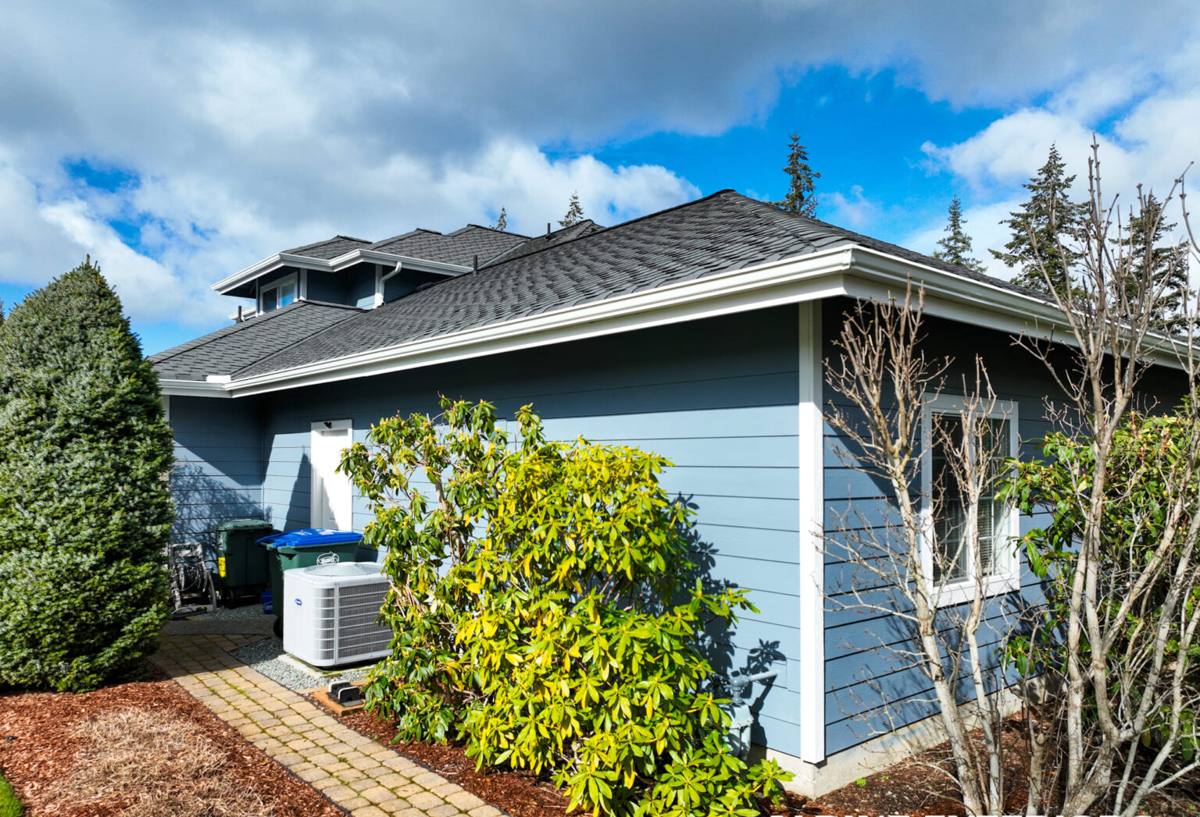
What Wiser Lake Homes Are Actually Up Against
Salt Air and Slow Corrosion
Whatcom County's proximity to Puget Sound means the air moving through this area carries more salt than most inland roofing systems are designed for. Salt doesn't destroy a metal roof overnight — it works slowly, attacking fasteners, cut edges, and any spot where the protective coating has been scratched or compromised during installation. Over years, an unprotected or poorly coated panel can develop surface corrosion, streaking, or fastener failure well before its rated lifespan is up. This is one of the main reasons coating quality and fastener selection matter more here than they would on a roof fifty miles inland.
Driving Rain and Wind-Driven Moisture
Lynden gets rain that doesn't just fall — it's pushed sideways by wind coming off open fields and the lake itself. That matters for roofing because wind-driven rain can find its way under improperly lapped panels, around loose flashing, or through fastener penetrations that weren't sealed correctly. A roof that sheds water fine in calm conditions can still leak during a wind-driven storm if the underlying details weren't built for it. This is a detail-level problem, not a material problem — it comes down entirely to how the roof was installed.
Moss, Shade, and Standing Moisture
The tree cover and lake-adjacent humidity around Wiser Lake create ideal conditions for moss and algae growth, especially on north-facing slopes and shaded valleys of the roof. Moss holds moisture against the roofing surface for extended periods, which accelerates wear on organic materials and can trap debris in valleys and around penetrations even on metal. A long moss season here means a roof needs both the right material and a maintenance rhythm that keeps growth from taking hold in the first place.
What a Correctly Installed Metal Roof Actually Involves
Metal roofing has a reputation for durability, and that reputation is earned — but only when the installation underneath the visible panels is done right. The panels themselves are rarely what fails; it's almost always a detail underneath or around them.
Underlayment and Water Protection
A synthetic, high-temperature-rated underlayment goes down first, with self-adhered ice-and-water membrane at eaves, valleys, and any low-slope transitions where water is most likely to back up. In a climate with this much sustained rainfall, skipping or skimping on this layer is one of the most common ways a "metal roof" ends up leaking anyway.
Fastening and Seams
How panels are fastened and joined determines how the roof handles decades of expansion, contraction, and wind load. Exposed-fastener systems rely on gasketed screws driven at the correct torque and spacing; standing seam systems use concealed clips that let panels move slightly with temperature changes without stressing the fasteners. Overdriven or underdriven screws, mismatched fastener metal, and inconsistent spacing are common shortcuts that cause problems years down the road, often after the original installer is long gone.
Flashing, Penetrations, and Edge Details
Valleys, chimneys, skylights, vent stacks, and roof-to-wall transitions are where most roof leaks actually start, regardless of the roofing material. Correct flashing here means custom-formed metal pieces installed in the right sequence with the underlayment and panels — not caulk used as a substitute for proper flashing geometry. Caulk fails; correctly lapped and fastened metal flashing does not.
Ventilation
A metal roof needs a ventilated attic or roof assembly to perform as intended. Without adequate intake and exhaust ventilation, moisture can condense on the underside of the panels, and heat can build up in ways that shorten the life of both the roofing system and the attic structure below it. This is especially relevant in a climate where the air outside is already carrying a lot of moisture.
Choosing the Right Metal Roofing System
Not every metal roofing system is the same, and the right choice depends on your roof's slope, your budget, and how long you want to go between maintenance visits. Here's an honest comparison of the systems we install most often in this area.
| System | Fastening | Typical Lifespan | Best For |
|---|---|---|---|
| Standing seam | Concealed clips, no exposed screws | 40–60+ years | Homes wanting the lowest long-term maintenance and cleanest look |
| Exposed fastener (5-V, corrugated) | Gasketed screws through the panel face | 25–40 years | Budget-conscious projects, outbuildings, simpler rooflines |
| Metal shingles/shakes | Concealed or interlocking | 30–50 years | Homes wanting a traditional shingle look with metal durability |
Standing seam tends to be our default recommendation for primary residences in this area, mainly because the concealed fastening removes the most common long-term failure point — exposed screw gaskets that dry out and need re-sealing every decade or so. Exposed-fastener panels are a legitimate, cost-effective option, but homeowners should go in knowing that fastener maintenance is part of the deal, not an unexpected surprise later.
Cost Factors for a Wiser Lake Metal Roof
Every roof is different, so we don't quote broad numbers without seeing the actual structure — but these are the factors that move the price up or down on most projects in this area:
| Factor | Why It Matters |
|---|---|
| Roof pitch and complexity | Steep or multi-plane roofs take longer to flash and fasten correctly |
| Tear-off vs. overlay | Removing old roofing adds labor and disposal cost but lets us inspect the deck |
| Panel system chosen | Standing seam runs higher upfront than exposed-fastener panels |
| Deck condition | Rot or soft sheathing found during tear-off requires repair before install |
| Ventilation upgrades | Adding proper intake/exhaust venting where none exists |
| Number of penetrations | Chimneys, skylights, and multiple vents each need custom flashing work |
We walk every one of these through with the homeowner before any number gets put on paper, so there are no surprises once the crew is on the roof.
Our Process, Start to Finish
- On-site assessment. We inspect the existing roof, deck condition, ventilation, and any problem areas — valleys, chimneys, low-slope sections — before recommending a system.
- Written scope and material selection. You get a clear breakdown of the system, gauge, coating, and fastening method, along with what's included in tear-off, underlayment, and flashing.
- Tear-off and deck inspection. Old roofing comes off, and we check the sheathing underneath for rot or soft spots before anything new goes down.
- Underlayment and water protection. Ice-and-water membrane at eaves and valleys, synthetic underlayment everywhere else.
- Panel installation. Panels are fastened per manufacturer spec, with attention to spacing, alignment, and expansion allowance.
- Flashing and trim. Custom-formed flashing at every penetration, valley, and edge — the details that determine whether the roof actually stays dry.
- Final walkthrough. We go over the finished roof with you, point out anything you should know for maintenance, and answer questions before we consider the job done.
Maintaining a Metal Roof in This Climate
Metal roofing is low-maintenance compared to asphalt shingles, but "low-maintenance" doesn't mean "no maintenance" — especially with the moss pressure and moisture this area sees. A simple annual checklist keeps a metal roof performing the way it should for decades:
- Clear leaves, needles, and debris from valleys and gutters before fall rains set in
- Check shaded, north-facing slopes for early moss or algae growth and treat it before it spreads
- Look at exposed fasteners (if applicable) for signs of loosening, rust streaking, or gasket wear
- Inspect flashing around chimneys, skylights, and vent penetrations for gaps or lifted edges
- Confirm gutters and downspouts are directing water away from the foundation, not pooling near it
- Have a professional inspection every few years, especially after major windstorms
Why Hiring a Crew That Already Works Wiser Lake Matters
A lot of what separates a metal roof that lasts fifty years from one that starts leaking in ten comes down to details you'd never see on a spec sheet — how a crew handles flashing at a lake-facing gable end, how they account for the extra wind exposure open properties around Wiser Lake tend to get, or how aggressively they recommend treating moss on a shaded northern slope before it becomes a real problem. Contractors who work this specific area regularly build up a feel for these things that's hard to replicate from a single job. We're not asking you to take that on faith — ask any roofing contractor how they'd handle wind-driven rain at a valley or salt exposure on fasteners, and the answer should be specific, not generic.
Local permitting and code requirements also vary by jurisdiction, and getting that wrong can delay a project or create problems at resale. A crew that regularly pulls permits and works with Whatcom County's requirements moves through that process without it becoming your problem to manage.
Ready to Talk Through Your Roof?
If you're weighing metal roofing for a home near Wiser Lake, we're happy to take a look, walk the roof with you, and give you a straight answer on what it needs — no pressure, no pushy sales pitch. Use the form below to request a free estimate, and we'll go from there.