 Lynden Exterior
 Why Wiser Lake Homes Take a Different Kind of Beating
Wiser Lake sits inland from the Salish Sea, but that doesn't spare it from the weather systems that roll off the water and settle into Whatcom County for days at a time. Homes here deal with a long stretch of driving rain every fall and winter, followed by a spring where things never quite dry out before the next system arrives. Add in the tree cover and shaded lots that many lake-area properties have, and you get siding that stays damp longer than it would on an open, sun-exposed lot in town.
That combination — sustained moisture plus shade — is exactly what moss and mildew need to take hold. We see it every year on homes around Wiser Lake: green staining creeping up from the bottom courses of siding, especially on the north and west-facing walls that get the least direct sun and the most wind-driven rain. On the wrong material, that's not just cosmetic. It's a sign that water is sitting against the surface longer than the product was built to handle.
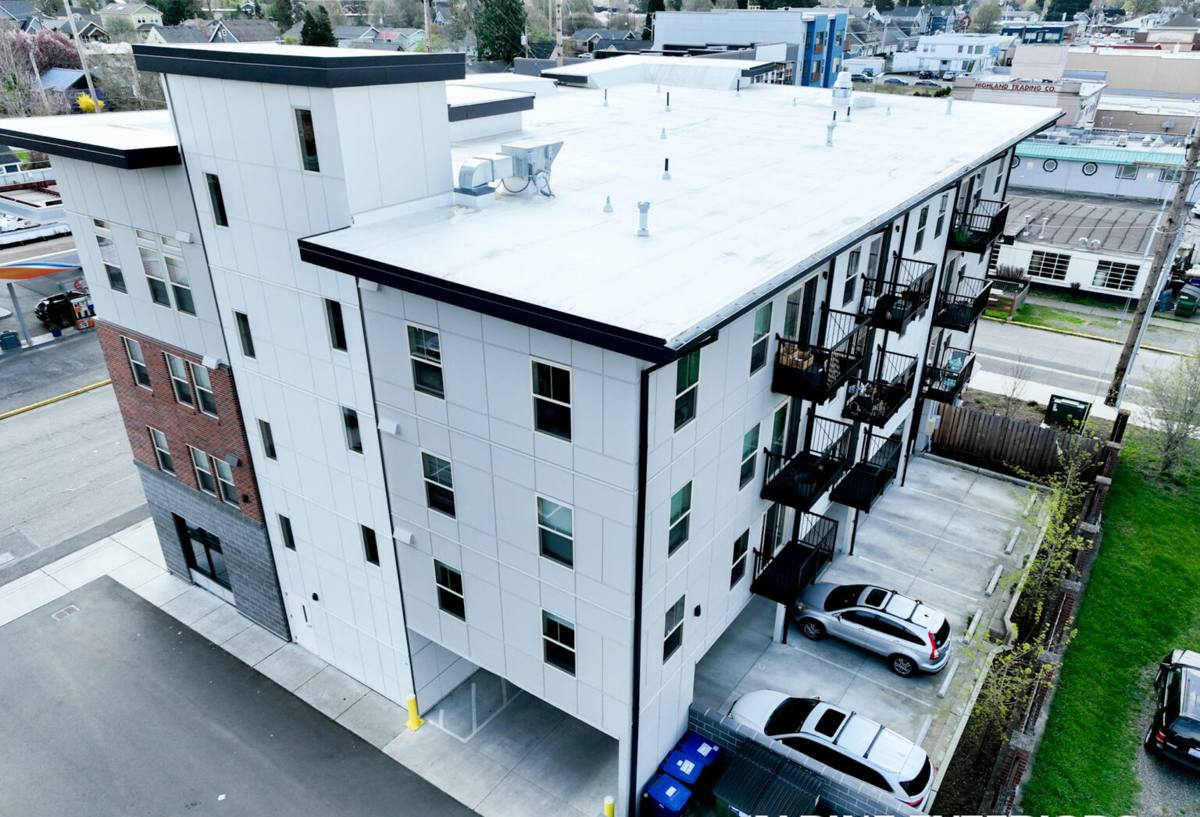
What Siding at Wiser Lake Actually Needs to Do
A siding product on a Wiser Lake home isn't being asked to do anything exotic — it's being asked to do the basics, reliably, for decades, under wetter-than-average conditions. Specifically, it needs to:
- Resist moisture absorption at the plank itself, not just at the caulked joints
- Hold a factory finish that doesn't chalk, peel, or invite mildew growth in shaded areas
- Stay dimensionally stable through repeated wet-dry cycles without cupping or splitting
- Shrug off wind-driven debris from the tree cover common around lake lots
- Keep its color and caulk lines intact without yearly homeowner upkeep
Most siding failures we're called out to inspect near Wiser Lake aren't dramatic — they're slow. Paint that stopped protecting the substrate years before anyone noticed, joints that opened up just enough to let water track behind the cladding, or a wood-based product that swelled at the bottom edge and never fully recovered. By the time it's visible, the damage is often already working its way into the wall assembly behind it.
Why We Only Install James Hardie Fiber Cement
Lynden Exterior Co installs one siding system: James Hardie fiber cement. We don't offer vinyl, LP SmartSide, primed spruce, cedar, or the other fiber cement brands like Allura or Cemplank as alternatives, and that's a deliberate standard, not a sales pitch. Fiber cement itself — cellulose fiber, sand, and Portland cement pressed and cured — is inherently non-combustible and dimensionally stable in a way that wood-based and vinyl products aren't. But the brand matters too. Hardie's ColorPlus factory finish is baked on and backed by a separate finish warranty, which means the color layer is far less likely to be the weak point that lets moisture in around Wiser Lake's wet season. Hardie also engineers regional HZ product lines specifically for climates like ours, rather than selling one national formulation everywhere.
We're not going to tell you every other product on the market is junk — plenty of them have a place. What we will say is that after years of tear-offs and repairs on homes with moisture damage behind other claddings, we stopped installing anything we weren't fully confident would hold up on this specific ground, in this specific climate, for the life of the warranty. That's Hardie, installed to Hardie's own specifications, every time.
How It Stacks Up
| Factor | James Hardie Fiber Cement | Vinyl | Wood-Based (LP, Cedar, Primed Spruce) |
|---|---|---|---|
| Moisture absorption | Very low | Doesn't absorb, but seams and gaps trap water behind it | Absorbs and swells if finish fails |
| Moss/mildew resistance in shade | High with factory finish | Moderate; surface grime and moss still adhere | Low once coating wears |
| Combustibility | Non-combustible | Melts/deforms under heat | Combustible |
| Finish longevity | Factory-baked, warrantied separately | Color molded in, fades over time | Field-applied paint, needs recoating |
| Typical homeowner upkeep | Occasional wash, no repainting for years | Occasional wash | Repainting/staining on a recurring cycle |
What a Correct Fiber Cement Installation Actually Involves
Fiber cement is only as good as the installation behind it. A huge share of the "siding problems" we get called to look at aren't product failures at all — they're installation shortcuts that let water get where it shouldn't. On a Wiser Lake home, we treat these as non-negotiable:
Water Management Comes First
Before a single plank goes up, we're thinking about where water goes if it gets past the siding at all — because eventually, some always does. That means a properly lapped weather-resistant barrier, correctly integrated flashing at every window, door, and roof-to-wall intersection, and rainscreen or furring strategy where the wall assembly calls for it. On homes with heavier tree cover and slower drying times, this layer matters more, not less.
Manufacturer Clearances and Fastening
Hardie specifies minimum clearances from grade, roof lines, decks, and other siding terminations, along with specific fastener types, spacing, and nailing patterns. Skipping these doesn't void the product's durability outright, but it does void the warranty and opens the door to exactly the moisture intrusion the product is designed to resist. We follow the published installation instructions, not a shortcut version of them.
Joint and Trim Detailing
Butt joints, corner details, and trim-to-siding transitions are where most field failures start. Correct caulking (and knowing where not to caulk, since some joints are designed to breathe), factory-cut edges kept sealed, and consistent reveal lines all matter both for water resistance and for a finished look that doesn't telegraph shortcuts.
Our Process for a Wiser Lake Project
Every job starts with a walk-around, not a quote pulled from a satellite photo. We look at grade slope, tree exposure, existing moisture staining, and how the home's orientation lines up with prevailing wind and rain direction — details that vary lot to lot even within the same neighborhood. From there:
- Assessment: We inspect the existing siding, sheathing, and any visible moisture damage, and check for problem areas like poor flashing or clearance violations.
- Tear-off and prep: Old cladding comes off, sheathing is inspected and repaired as needed, and the weather barrier is installed or corrected before anything new goes up.
- Installation to spec: HardiePlank, HardiePanel, or HardieShingle goes on following Hardie's published fastening, clearance, and joint guidelines — not a generic "siding install."
- Trim, caulk, and finish check: Every joint, corner, and penetration gets detailed before we call it done.
- Final walkthrough: We go over the finished job with you, including basic care guidance specific to your lot's sun and shade exposure.
Cost Factors Homeowners Should Understand
We don't publish flat prices because two Wiser Lake homes of similar size can cost very differently to side well, depending on what's underneath. The honest cost drivers are:
| Factor | Why It Moves the Price |
|---|---|
| Tear-off vs. cover-over | Removing old siding costs more upfront but is often the only way to properly inspect and fix hidden moisture damage |
| Sheathing/framing repair | Rot found once old siding is off has to be addressed before new cladding goes on |
| Trim and color complexity | Multiple ColorPlus colors, custom trim, or shake accents add labor and material cost |
| Site access | Wooded or lake-adjacent lots with tighter access can slow staging and material handling |
| Home size and stories | More square footage and taller walls mean more labor and equipment |
Signs Your Wiser Lake Home May Need New Siding
- Green or black staining that returns within months of cleaning, especially on shaded walls
- Soft or spongy spots when you press on the siding near the bottom courses
- Paint that's chalking, peeling, or has changed texture in patches
- Visible gaps at joints, corners, or trim that weren't there a few years ago
- Interior signs like peeling paint or musty smells on exterior-facing walls
- Warping, cupping, or bowing panels, particularly on wood-based siding
None of these alone means a full replacement is required — sometimes it's a repair or a moisture-source fix. But any of them is worth a real inspection rather than a guess.
Why Local, Already-Working-Here Experience Matters
Siding contractors who don't regularly work the Wiser Lake area tend to treat every home the same, applying a generic install and generic product recommendation regardless of site conditions. A crew that already works this part of Whatcom County knows which walls typically fight moss, which lots hold moisture longest into spring, and how tree cover on a given street affects drying time after a storm. That knowledge shapes real decisions — where to be stricter on flashing details, which elevations need extra attention at the joints, and what kind of finish performance actually holds up here versus on paper.
It also means accountability. We're not driving in from out of the area for a one-time job; we're a Lynden-based crew that expects to be reachable if a question comes up five years down the road, and that expectation shapes how carefully we do the work in the first place.
If you're weighing options for your Wiser Lake home's siding, we're happy to take a look and give you a straight, no-pressure estimate — no obligation, no pressure tactics, just an honest read on what your home needs.