 Lynden Exterior
 Storm Damage Roof Repair Built for Custer's Weather
Custer sits close enough to Birch Bay and the Strait of Georgia that homes here catch a version of Whatcom County weather that's a little rougher than what you'll find further inland around Lynden proper. Winter windstorms carry salt-tinged air off the water, driving rain comes in sideways more often than straight down, and the tree cover that gives this area its character also means shade, moisture, and moss have all winter and half the spring to work on a roof. Storm damage repair out here isn't just "patch the hole and move on" — it has to account for a climate that keeps testing the roof long after the storm itself has passed.
We've worked enough roofs in and around Custer to know the difference between damage that's purely cosmetic and damage that's going to turn into a rot problem by next winter if it's not handled correctly. This page walks through what storm damage actually looks like on homes out here, what a correct repair involves, and how we approach the job from first call to final inspection.
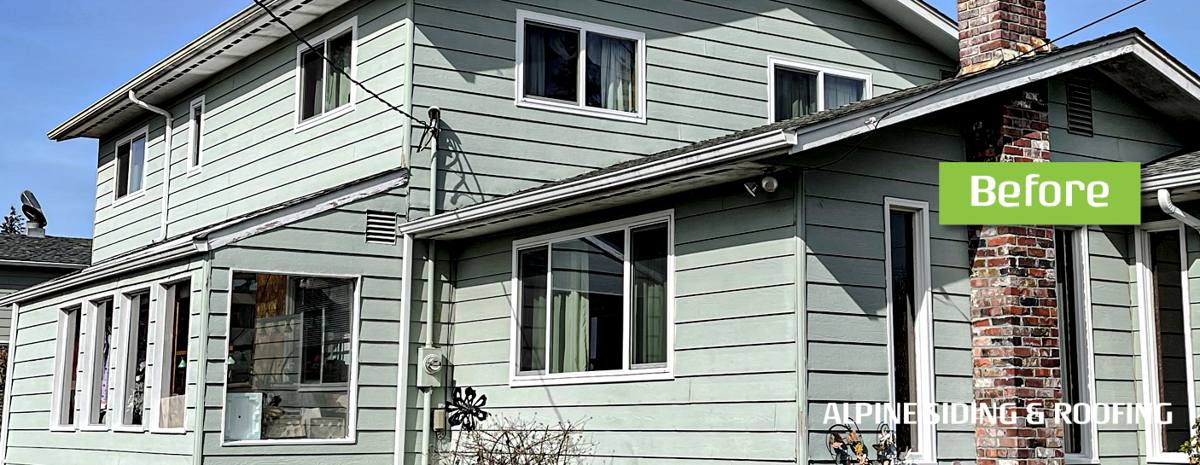
What Storm Damage Actually Looks Like on a Custer Roof
Wind Damage
Sustained wind off the water doesn't just rip shingles off in dramatic fashion — more often it works shingles loose at the tabs and seals, lifting edges just enough to break the adhesive bond without pulling the shingle away entirely. From the ground, a wind-damaged roof can look almost untouched. Up close, you'll find creased shingles, broken seals, and fasteners that have backed out or torn through.
Wind-Driven Rain Intrusion
Because storms here so often bring rain at a steep angle, water finds its way in through gaps that a straight-down rain would never reach — lifted shingle edges, compromised flashing around chimneys and vent pipes, and valleys where debris has built up. This is the damage that shows up as a ceiling stain weeks after the storm that actually caused it.
Impact and Debris Damage
With as much tree cover as this area has, falling branches and wind-thrown debris are a real factor. Impact damage can crack shingles, punch through decking in a bad hit, or dent and dislodge metal flashing and gutters.
Moss and Organic Buildup Compounding the Problem
A storm-damaged roof that's already carrying moss and moisture-holding debris fails faster. Moss holds water against the roofing material, and on a roof with storm damage already present, that trapped moisture accelerates rot in the decking underneath. This is why a proper storm inspection out here always includes a look at moss and organic growth, not just the obvious wind and impact damage.
Why Getting the Repair Right Matters More Here
In a drier climate, a roof with minor storm damage can sit for a season without much consequence. In Whatcom County, it can't. The combination of frequent rain, long wet stretches, and salt air means small openings turn into decking rot, insulation damage, and interior water damage faster than most homeowners expect. A repair that only addresses the visible shingle damage without checking underlayment, flashing, and decking condition underneath is a repair that's likely to need redoing within a year or two.
Correct storm repair also protects the rest of the roof's remaining service life. A roof that's otherwise in good shape but suffers isolated storm damage can often be repaired section by section rather than replaced — but only if the repair matches the existing material, ties into the underlayment correctly, and doesn't leave a seam that becomes the next leak point.
Our Storm Damage Repair Process
1. Inspection, Ground and Roof
We start with a full visual inspection, not just a look at the obvious damage you called about. That means checking the whole roof plane, valleys, flashing points, and — critically in this climate — the attic from the inside, where water staining often shows up before it's visible from outside.
2. Documentation
We photograph and document damage clearly enough to support an insurance claim if you're filing one. This includes close-up shots of the specific damage, wide shots for context, and notes on what's storm-related versus pre-existing wear, since insurers will ask that question.
3. Scope and Options
We walk you through what we found and what it means: what can be repaired versus what needs to be replaced, what's covered by a manufacturer warranty if the roof is still under one, and a straightforward estimate with the reasoning behind it — not just a number.
4. The Repair Itself
Repairs are done to match the existing roofing system wherever possible — same or compatible shingle profile, correctly lapped underlayment, and flashing detail work at any penetration point near the repair. Rushed storm repairs that skip proper flashing integration are one of the most common causes of repeat leaks we see on older repair jobs.
5. Final Check
Before we consider the job done, we recheck the repair area and the surrounding roof plane for anything we might have missed, and we let you know if there's a maintenance item — like moss growth nearby — worth keeping an eye on.
Materials and Methods We Use for Storm Repair in This Climate
Not every repair material behaves the same way once it's exposed to salt-tinged air, prolonged moisture, and shade-driven moss growth. Here's how the common options compare for storm repair work in a Whatcom County coastal-influenced climate:
| Material / Approach | Wind Performance | Behavior in Wet, Mossy Conditions |
|---|---|---|
| Architectural (laminate) asphalt shingles | Strong; higher wind ratings than 3-tab, good seal strength when installed correctly | Moderate moss resistance; benefits from periodic cleaning in shaded areas |
| 3-tab asphalt shingles | Lower wind rating; more prone to tab lift in sustained coastal wind | Similar moss vulnerability, thinner profile shows wear sooner |
| Metal roofing / metal repair panels | Very strong wind performance when fastened correctly | Sheds moisture quickly and resists moss growth well, though fastener and seam maintenance matters |
| Section replacement vs. full re-roof | Depends on remaining roof condition | Section replacement only makes sense if surrounding material isn't already moisture-compromised |
We don't push a full replacement when a proper section repair will do the job — but we also won't patch a roof where the surrounding decking or underlayment is already compromised, because that repair won't hold.
Cost Factors Homeowners Should Understand
| Factor | Why It Matters |
|---|---|
| Extent of hidden decking damage | Rot found once shingles are pulled back can change the scope beyond the original visible damage |
| Roof pitch and access | Steeper roofs and limited access add labor time |
| Age and condition of the surrounding roof | Older shingles may not match new material or seal as reliably next to a repair |
| Flashing and penetration complexity | Chimneys, skylights, and multiple vent pipes near the damage add detail work |
Moss, Algae, and Whatcom County's Long Wet Season
Storm damage and moss problems are connected more often than homeowners expect. A roof that's carrying a heavy moss load holds moisture against the shingles for months at a time, which softens the material and makes it more vulnerable to wind and impact damage in the first place. After a storm, that same moss makes it harder to spot new damage and keeps the area wet longer once damage does occur. Part of an honest storm repair assessment in this area includes telling you if moss is a contributing factor and what a reasonable moss management plan looks like — not selling you a treatment you don't need, but also not ignoring a problem that will undo the repair.
Insurance Claims and Storm Damage Repair
Most homeowner's policies cover sudden storm damage — wind, falling debris, impact — but draw a clear line at damage from gradual wear, neglect, or long-term moss and moisture buildup. That distinction matters a lot for how a claim gets handled. We provide the kind of documentation adjusters actually need: clear photos, a written description of the damage, and an honest assessment of what's storm-caused versus what was pre-existing. We're not a public adjuster and we don't guarantee claim outcomes, but we make sure the roofing side of your claim is documented properly from the start.
What to Do Right After a Storm
- Take photos from the ground of any visible damage — missing shingles, debris on the roof, damaged gutters — before cleanup starts
- Stay off the roof yourself, especially on a wet or steep surface right after a storm
- Check your attic and ceilings for new water stains or damp insulation
- Place a bucket or tarp for any active interior leak to limit further damage
- Be cautious of door-to-door contractors pushing same-day contracts right after a storm — get at least one local, verifiable inspection before signing anything
- Call your insurance company early if damage looks significant, and keep a record of who you spoke with and when
- Schedule an inspection with a contractor who can document damage properly, even if repairs aren't urgent
Why a Crew That Already Works Custer Makes a Difference
After a regional storm, it's common to see out-of-area crews going door to door offering fast repairs. Some do fine work; plenty don't stick around for warranty callbacks once the storm season's attention moves elsewhere. A crew that already works in and around Lynden and Custer has a stake in doing the job right the first time, because we're the ones you'll call if something needs attention six months later. We also know how this specific stretch of Whatcom County weather behaves — which roof orientations catch the worst of the wind-driven rain, which shaded areas hold moss longest, and what a correctly sealed repair needs to hold up through another wet season, not just look fine on the day we finish.
If you've got storm damage on your Custer home — or you're not sure whether what you're seeing is storm damage, moss-related wear, or both — we're happy to take a look. Reach out for a free, no-pressure estimate using the form below, and we'll give you a straight answer about what's going on and what it'll take to fix it right.