 Lynden Exterior
 Building Decks for Maple Falls' Particular Climate
Maple Falls sits up against the foothills in Whatcom County, and anyone who has owned a deck out here for more than a season knows it takes a different kind of beating than a deck in a dry inland climate. You get long stretches of driving rain off the marine air, shaded yards under conifers that never fully dry out, and a moss season that can run from October clear through May. A deck built with a generic, one-size-fits-all approach — the kind you'll find in big-box how-to guides written for Arizona or Texas — will show its age in Maple Falls faster than it should. Boards cup, fasteners bleed rust streaks, and moss gets a foothold in shaded corners within a year or two if the details weren't handled correctly the first time.
We build and repair decks throughout the Lynden area, including Maple Falls, and the jobs here get built differently than jobs in drier parts of the county. This page walks through what that actually means — the decisions that matter, what a correct build looks like from the ground up, and how we run the job from first call to final walkthrough.
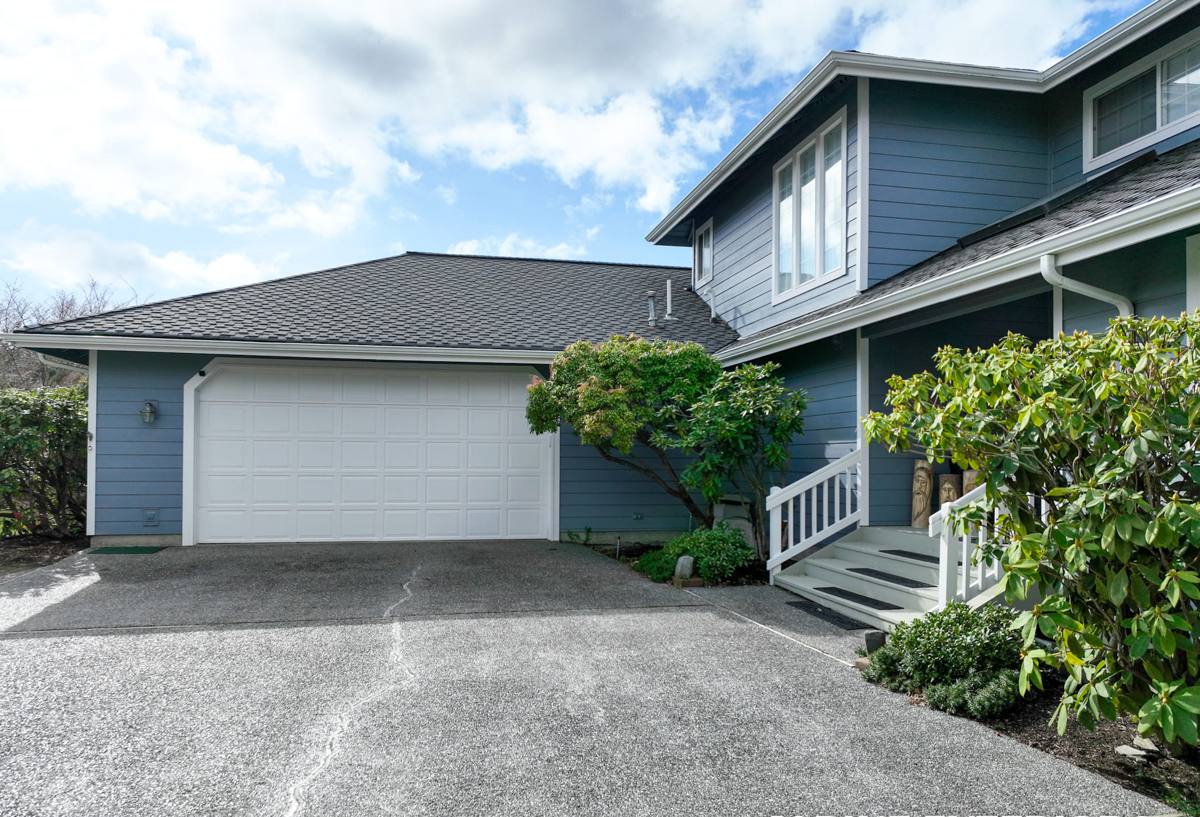
What Maple Falls Homes Actually Need From a Deck
Moisture Management Comes First
Every decision on a Whatcom County deck should be filtered through one question: where does the water go, and how fast does it leave? Maple Falls gets more shade and more standing moisture than open lowland lots closer to town, especially on properties backed by trees. That changes framing choices, footing depth, and how we detail the ledger board where the deck meets the house — that connection point is the single most common source of hidden rot we find when we're called out to look at an older deck.
Salt Air and Metal Fasteners
Whatcom County's proximity to Puget Sound and the Strait means airborne salt reaches further inland than most homeowners expect, especially with the prevailing weather patterns that push moist air up through the valley. Standard fasteners and connectors that aren't rated for coastal exposure will corrode, streak the decking, and eventually lose holding strength. This is one of the most common corners cut on decks built by crews who mostly work drier, inland regions and don't adjust their material specs for it.
Moss and Slip Resistance
A shaded deck in this area will grow moss on any surface that holds moisture, and moss on decking isn't just cosmetic — it's a slip hazard on stairs and landings, and it holds water against the board surface, which accelerates whatever decay process is already underway. Board spacing, drainage slope, and surface texture all affect how much moss takes hold and how easy it is to keep off.
What a Correctly Built Deck Involves
Footings and Framing
Frost depth and soil drainage in this part of the county mean footings need to go deeper and bear on undisturbed, well-draining soil — not just meet the minimum code depth on paper. We use pressure-treated framing rated for ground contact where it's near soil or persistently damp, and we detail joist tops with flashing tape so water can't sit on end grain and wick into the wood over time.
Ledger Attachment
The ledger board attachment to the house is where most deck failures start, and it's also where corners get cut most often because it's hidden once the decking goes down. Proper flashing, correct fastener spacing and type, and a gap or flashing detail that keeps water from tracking behind the siding are non-negotiable on every deck we attach to a structure.
Decking Material
Homeowners in Maple Falls are usually choosing between a few honest options, each with real trade-offs:
| Material | Upfront Cost | Maintenance | How It Handles This Climate |
|---|---|---|---|
| Pressure-treated wood | Lowest | Annual cleaning, periodic sealing | Needs consistent upkeep to resist moss and moisture; skipping maintenance shortens lifespan noticeably here |
| Cedar | Mid | Regular sealing/staining | Naturally rot-resistant but still needs upkeep in constant damp shade; ages gracefully if maintained |
| Composite decking | Higher | Occasional washing | Resists moisture absorption well; still needs cleaning to keep moss and algae from staining the surface in shaded spots |
| PVC/synthetic | Highest | Minimal | Best moisture performance of the group; upfront cost is the main trade-off |
There's no universally "right" choice — it depends on budget, how much sun the deck gets, and how much maintenance a homeowner actually wants to do. We'll walk through the honest trade-offs for your specific site rather than push one product line.
Railings, Stairs, and Hardware
Railing posts need solid blocking behind them, not just a lag bolt into rim joist framing that will loosen over time. Stair stringers should be sized for the actual run and rise on your lot, not a generic prefab kit that forces an awkward fit. All exposed hardware in this climate should be corrosion-resistant — stainless or coated fasteners rated for exterior and coastal-adjacent exposure, not standard interior-grade hardware that will streak and weaken within a few years.
Our Process on a Maple Falls Deck Project
- Site visit and assessment — we look at drainage, sun/shade exposure, existing structure condition (for replacements), and how the deck will actually be used.
- Design and material walkthrough — honest conversation about decking material, layout, railings, and budget, with real trade-offs explained rather than upsold.
- Permitting — we handle the permit process where required so the structure is built to code and documented correctly.
- Demo (if replacing) — careful removal of the old structure, checking the ledger and any framing that may already have hidden damage.
- Framing and footings — built to the depth and drainage standard this climate calls for, not just the code minimum.
- Decking, railing, and stairs installed — with the fastener and flashing details covered above.
- Final walkthrough — we go over maintenance expectations specific to your site's sun exposure and shade so you know what upkeep actually looks like.
New Build vs. Deck Replacement or Repair
Not every project starts from bare ground. A lot of what we see in Maple Falls is decks that were built reasonably well ten or fifteen years ago and are now showing the effects of sustained moisture exposure — soft spots near the ledger, rusted-out fastener heads, or a persistent moss problem that pressure washing alone won't solve. Sometimes the fix is targeted: replacing a rotted ledger connection, swapping out corroded hardware, or reframing a section without tearing out the whole deck. Other times, especially when the framing has been compromised in multiple spots, a full rebuild is the more honest recommendation because patching around widespread rot just delays the same problem. We'll tell you which situation you're in before any work starts, not after.
Maintenance That Actually Matters Here
A well-built deck in Maple Falls still needs upkeep — the difference between a deck that lasts and one that doesn't is often just whether that upkeep happens on schedule. A short, honest checklist:
- Clear leaves and debris out of gaps between boards each fall so moisture and organic matter don't sit trapped against the wood
- Check and clear moss growth before it spreads, especially on stairs and any shaded sections
- Inspect the ledger board area annually for staining, soft wood, or gaps in flashing
- Reseal or restain wood decking on the schedule appropriate to the product (typically every 1-3 years depending on exposure)
- Check railing post connections periodically for looseness, which can indicate blocking or fastener issues
- Keep gutters and downspouts near the deck clear so runoff isn't dumping extra water onto or near the structure
Why Hire a Crew That Already Works Maple Falls
A deck built by a crew that mostly works drier or more urban parts of the county can look fine on installation day and still fail early, because the material specs, fastener choices, and drainage details that hold up in Maple Falls' shaded, damp, salt-influenced air aren't the same as what works elsewhere. We're based in Lynden and build in this specific stretch of Whatcom County regularly, which means we're not guessing at footing depth, fastener corrosion resistance, or how much shade a given lot actually gets through the winter — we've seen how decks in this area age, both the ones built right and the ones that weren't.
Getting an Honest Estimate
If you're planning a new deck or trying to figure out whether an existing one needs repair or replacement, we're happy to come take a look and give you a straightforward assessment — no pressure, no inflated scope. Fill out the form below and we'll get in touch to schedule a free estimate for your Maple Falls property.