 Lynden Exterior
 Roofing in Kendall Takes a Different Kind of Beating
Kendall sits out in the Whatcom County foothills, close enough to Lynden that most homeowners here call Lynden their town, but far enough into the tree line and higher ground that roofs take on their own set of problems. The marine air that moves through this part of the county doesn't stop at the coast — it pushes inland, keeps humidity high through the fall and winter, and mixes with driving rain that comes in sideways during the worst storms. Add heavy tree cover, shorter winter daylight, and long stretches where a roof simply doesn't get enough sun or wind to dry out, and you get a moss season that can run half the year.
None of that means a Kendall roof is doomed — it means the roofing system has to be built and installed with that reality in mind, not just installed to a generic spec and left to fend for itself. A roof replacement done right here accounts for moisture load, moss pressure, and wind-driven rain from day one, not as an afterthought.
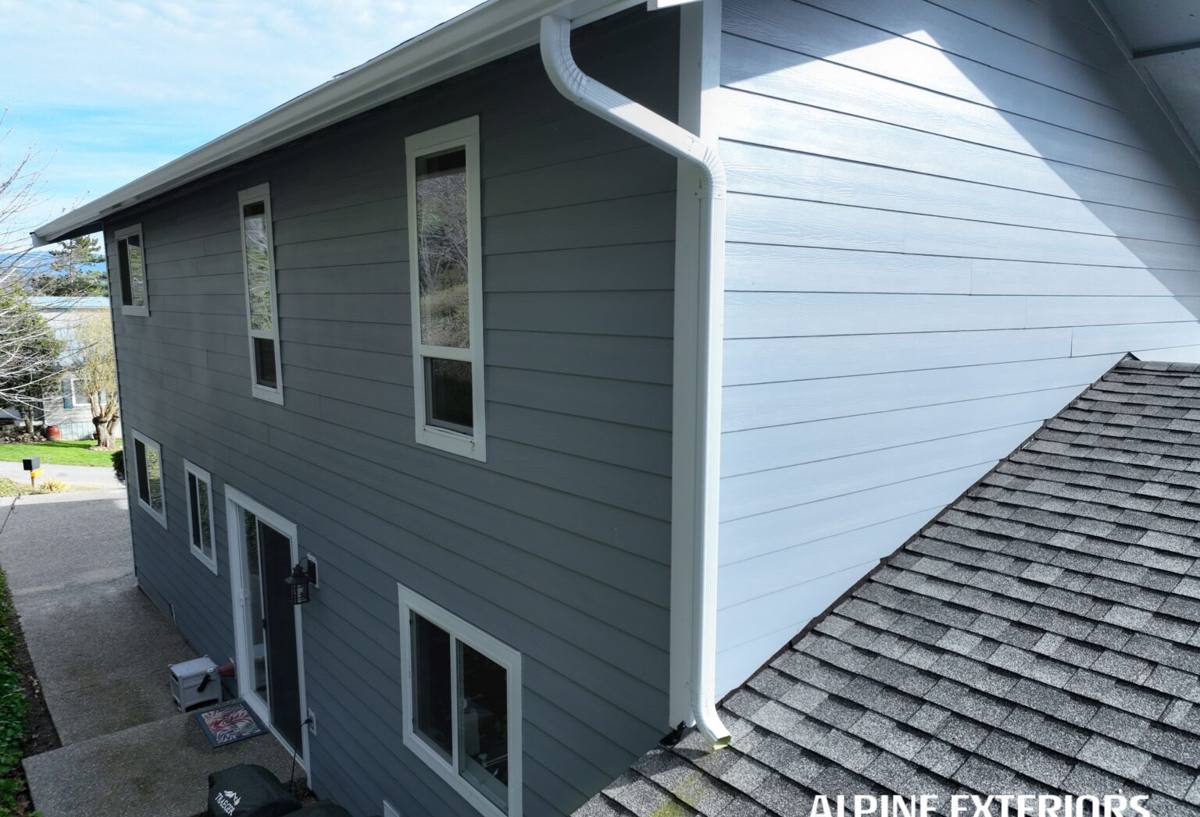
Signs Your Kendall Roof Is Telling You It's Time
Most roofs don't fail all at once. They give warnings for months, sometimes years, before a leak actually shows up inside the house. Catching those signs early is the difference between a planned replacement and an emergency one.
What to look for outside
- Shingles that are cupping, curling at the edges, or missing granules in patches
- Moss or dark algae streaks that keep coming back within weeks of cleaning
- Soft or spongy spots when walking the roof, or visible sagging along the ridge or valleys
- Flashing around chimneys, vents, and skylights that's rusted, lifted, or gapped
- Granules collecting in gutters and downspouts, a sign the shingles are past their protective life
What to look for inside
Discolored ceiling patches, a musty smell in the attic, visible daylight through the roof deck, or insulation that feels damp are all signs water is already getting past the roofing material. By the time you see staining on a ceiling, the leak has usually been active for a while — the roof deck underneath deserves a close look, not just a patch over the visible spot.
What an Actual Roof Replacement Involves
"Roof replacement" gets used loosely. A correct replacement is a full tear-off down to the deck, an inspection and repair of what's underneath, and a rebuild of every layer — not just new shingles laid over old ones.
Tear-off and deck inspection
Every layer of old roofing comes off so the deck can actually be seen and checked. Soft, rotted, or delaminated sheathing gets replaced before anything new goes down. Skipping this step and roofing over a compromised deck is one of the most common shortcuts in the trade, and it's the one that causes the most expensive problems years later.
Underlayment and water protection
In a climate with this much sustained rain, the underlayment matters almost as much as the shingles themselves. Ice-and-water shield belongs at eaves, valleys, and around every roof penetration — the places wind-driven rain and ice dams are most likely to force water backward under the shingle line. A synthetic underlayment across the rest of the roof adds a second line of defense if wind ever lifts a shingle edge.
Ventilation
A roof that can't breathe traps moisture in the attic, which shortens the life of the deck, the insulation, and the shingles from underneath — often before problems ever show up on the surface. Balanced intake at the eaves and exhaust at the ridge keeps air moving and keeps that moisture from just sitting there through a long wet winter.
Flashing and detail work
Chimneys, skylights, sidewalls, and roof-to-wall transitions are where the vast majority of leaks actually start — not in the open field of shingles. New step flashing, counterflashing, and properly lapped valley metal at every one of these transitions is not optional, even if the existing flashing "still looks fine."
Choosing the Right Roofing Material for a Kendall Home
There's no single "best" roofing material — there's a best fit for your home, your budget, and how much long-term maintenance you're willing to take on. Given the amount of moisture and moss pressure in this area, we steer most conversations toward materials that shed water fast and don't give moss much to hold onto.
| Material | How it handles this climate | Maintenance to expect |
|---|---|---|
| Architectural asphalt shingle | Good water shedding, wide warranty options, solid value | Periodic moss and debris cleaning; typical 25–30 year lifespan |
| Metal (standing seam or panel) | Sheds water and debris fast, very moss-resistant, holds up well to wind-driven rain | Low; mainly gutter and fastener checks over time |
| Cedar shake | Traditional look but holds moisture in a wet, shaded climate | High; regular treatment and cleaning to manage rot and moss |
| Synthetic composite | Water-resistant with a longer service life than standard asphalt | Low to moderate; product-specific care |
Cedar shake has a real place in some homes' style, but we're upfront that it's a higher-maintenance choice in a shaded, wet area like Kendall — it holds moisture against the roof deck longer than other materials, which means more attention to keep moss and rot from taking hold. That's not a knock on the material, it's just an honest trade-off worth knowing before you commit to it.
How Our Replacement Process Works
- On-site inspection. We walk the roof and the attic, check the deck, flashing, and ventilation, and take photos of anything that needs attention.
- Written estimate. You get a clear scope of work and material options, not just a single number — so you know what you're paying for and why.
- Scheduling around the weather. Roof replacements in Whatcom County get planned around dry windows whenever possible, and we stage the tear-off so your home is never left exposed overnight.
- Tear-off and deck repair. Old roofing comes off, the deck gets inspected, and any damaged sheathing is replaced before anything new is installed.
- Full system installation. Underlayment, ice-and-water protection, flashing, ventilation, and the finish material go on as a complete system, not a stack of separate steps.
- Final walkthrough. We review the finished roof with you, clean up the site, and make sure you know what maintenance, if any, the new roof needs going forward.
Moss, Debris, and Keeping a New Roof Performing
A new roof in Kendall will still face the same moss season and tree debris the old one did — the goal of a good replacement is to give the roof a fighting chance and reduce how much upkeep it needs, not to promise a maintenance-free roof, because that doesn't really exist here. Keeping valleys, gutters, and downspouts clear of needles and leaves matters more in a wooded, wet area like this than almost anywhere else, since trapped debris holds moisture against the roofing material and gives moss exactly the damp, shaded conditions it needs to spread. Zinc or copper control strips near the ridge can help slow moss regrowth on shingle and shake roofs without relying on harsh chemical treatments that can shorten a roof's life if used too often.
What to Ask Before You Sign a Roofing Contract
Roof replacement is a big enough investment that it's worth being a little skeptical of any bid that skips the details. A thorough, honest estimate should be able to answer these without hesitation:
- Is this a full tear-off, or is anything being installed over the existing roof?
- What underlayment and ice-and-water protection is included, and where specifically will it be installed?
- Will the deck be inspected, and how is damaged sheathing priced if it's found?
- What ventilation changes, if any, are included?
- What's covered under the material warranty versus the workmanship warranty, and for how long?
- Is the crew licensed, bonded, and insured in Washington State?
If a bid can't answer these clearly, that's worth treating as a red flag, not a formality.
Why Local Experience in Kendall Matters
A roofing crew that already works this specific corner of Whatcom County knows what the weather actually does to a roof here — not in general terms, but in the specific combination of moisture, moss, tree cover, and wind-driven rain that shapes this area. That translates into practical decisions: where extra ice-and-water protection actually earns its keep, how much ventilation a shaded roof really needs, and which materials hold up without turning into a maintenance project every year. It also means someone who understands Whatcom County permitting and inspection requirements, so the job moves smoothly instead of stalling on paperwork.
If your roof in Kendall is showing its age or you just want an honest opinion on how much life it has left, we're happy to take a look. There's no pressure and no obligation — just a straightforward assessment and a free estimate using the form below.