 Lynden Exterior
 Windows Built for Everson's Weather, Not Just Any Weather
Everson sits in the Nooksack River lowlands just south of Lynden, in a part of Whatcom County that gets more rain, more standing humidity, and more marine air movement than a lot of homeowners realize until they start noticing what it's doing to their windows. Fogged glass, swollen sashes that won't latch, moss creeping into the corners of the frame, drafts that show up the moment the wind shifts off the water — these aren't cosmetic problems. They're signs the window is losing the fight against the climate it's installed in.
We install energy-efficient windows for homes in and around Everson because it's part of our regular service area out of Lynden, not a once-in-a-while trip. That matters more than people expect. A window that performs well in a dry inland climate can underperform here, and a contractor who mostly works somewhere else won't always catch that until the callback.
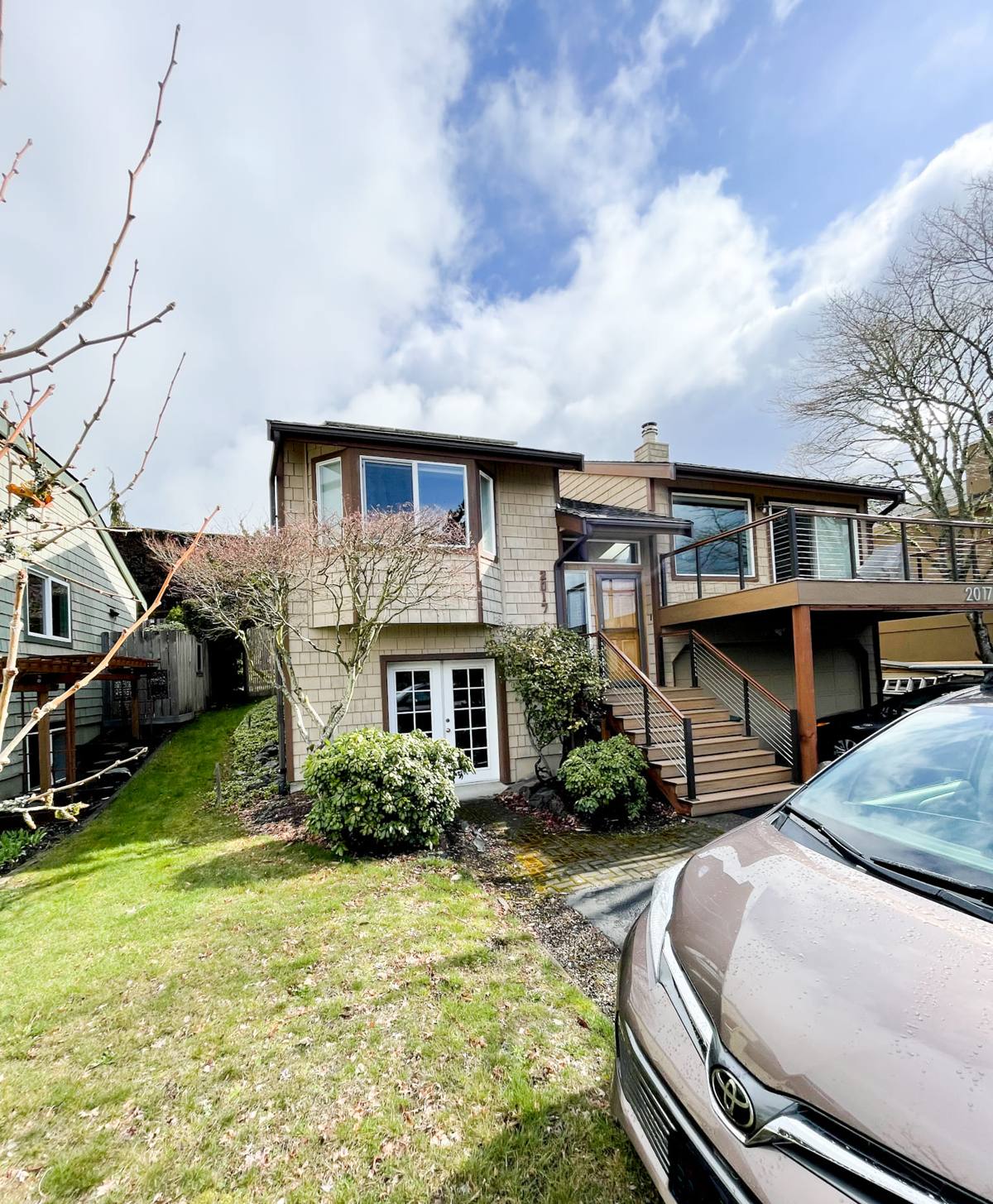
What Salt Air, Driving Rain, and Moss Actually Do to a Window
Three things wear on windows in this part of Whatcom County more than most places, and each one attacks a different part of the window.
Salt Air and Marine Moisture
Airborne salt and moisture accelerate corrosion on hardware — hinges, latches, balance mechanisms, and screws — long before the glass or frame shows visible wear. Once hardware seizes or corrodes, a window that looks fine from the yard becomes hard to open, hard to lock, or both.
Driving Rain
Wind-driven rain doesn't just hit a window head-on; it gets pushed sideways and upward into gaps that would stay dry in a calmer climate. Flashing details, sill pans, and sealant lines that would be adequate somewhere drier need to be done more carefully here, because water is actively being pushed toward every seam.
Moss and Sustained Dampness
A long moss season means extended stretches where wood trim, sills, and even vinyl cladding stay damp instead of drying out between rain events. Moss and mildew hold moisture against the surface, which is exactly the condition that causes wood rot at sills and jambs and slow degradation of exterior caulking.
None of this means windows fail quickly here. It means they fail differently — hardware and moisture problems show up before the glass unit does, and the install details that prevent those problems matter more than the marketing on the box.
How to Tell a Window Needs Replacing (Not Just Repairing)
- Visible fog or moisture between the panes — the seal has failed and the gas fill or insulating air gap is gone
- Sashes that stick, drag, or won't stay latched, especially after damp weather
- Cold air noticeably moving near the frame even with the window closed and locked
- Soft, spongy, or discolored wood at the sill or lower corners of the frame
- Visible moss, mildew, or black staining building up on the frame or trim year after year
- Condensation forming on the inside of the glass regularly in cooler months
- Rising heating bills with no other obvious cause and an older single- or double-pane window
One or two of these can sometimes be repaired — a failed balance spring or a worn weatherstrip doesn't always mean a full replacement. A failed seal, rotted sill, or hardware that's corroded beyond adjustment usually does.
What "Energy-Efficient" Actually Means
The term gets used loosely, so it's worth breaking down what actually changes performance, since that's what determines both comfort and cost.
Glass Package
Double-pane glass with a low-E (low-emissivity) coating and an argon gas fill is the standard energy-efficient baseline for this region. The low-E coating reflects heat back into the room in winter and blocks solar heat gain in summer, and the argon fill slows heat transfer between the panes better than plain air.
Frame Material
Frame material affects both insulation value and how the window holds up in a wet, salt-influenced climate over time. The table below compares the common options.
| Frame Material | Insulation Performance | Moisture & Coastal-Air Durability | Maintenance |
|---|---|---|---|
| Vinyl | Good, consistent | Doesn't rot or corrode; seams and welds matter | Low — occasional cleaning |
| Fiberglass | Very good, dimensionally stable | Excellent — resists warping and moisture damage | Low |
| Wood (clad exterior) | Good with proper cladding | Vulnerable at any break in the cladding or seal | Higher — needs monitoring at joints |
| Aluminum | Poor unless thermally broken | Prone to corrosion in salt-influenced air over time | Moderate |
Frame Sealing and Fit
A high-performance glass package installed with poor air sealing around the frame will still leak air and let moisture in. In our experience, the install quality around the frame perimeter — not just the window unit itself — is what separates a window that performs well for twenty years from one that starts having problems in five.
Our Installation Process
Every window we replace goes through the same sequence, because skipping a step is exactly how moisture problems start later.
- Assessment: We inspect the existing window, sill, and surrounding framing for hidden rot or water damage before quoting the job — a window can look fine while the framing behind it is compromised.
- Measurement and product selection: We measure for an exact fit and go over glass, frame material, and performance ratings based on your home's exposure and budget.
- Removal: The old window is removed carefully to protect surrounding siding and trim, and we check the opening for damage that wasn't visible from the outside.
- Sill and flashing prep: Any damaged wood is repaired, and the sill is prepped with proper flashing and a sloped drainage path so water moves away from the house instead of pooling at the frame.
- Set and seal: The new window is set level and plumb, shimmed correctly so it operates smoothly, then sealed and insulated around the perimeter to close air and water pathways.
- Exterior and interior finish: Trim and caulking are finished to shed water correctly, and the interior is finished to match the surrounding wall.
- Walkthrough: We open, close, and lock every window with you before calling the job done.
Why Flashing and Sill Detail Matter More Here
This is worth calling out on its own, because it's the step that's easiest to shortcut and the one that causes the most callbacks in a climate like this. In a drier region, a sloppy sill detail might go unnoticed for years. With driving rain pushing water sideways into the wall assembly, a poorly flashed sill or a missed drainage path turns into a slow leak that rots framing from the inside before it ever shows up as a visible stain. Doing this correctly the first time is less about the window brand and more about the crew's habits on every single install.
What Affects the Cost
Every home and every opening is different, so we don't quote sight-unseen, but these are the main factors that move the price up or down.
| Factor | Effect on Cost |
|---|---|
| Frame material (vinyl vs. fiberglass vs. wood-clad) | Fiberglass and wood-clad typically cost more than standard vinyl |
| Glass package (standard low-E vs. upgraded coatings, triple-pane) | Higher-performance glass adds cost but improves comfort and efficiency |
| Window size and configuration (single, double-hung, bay, sliding) | Larger and multi-panel windows cost more than standard single units |
| Condition of the existing opening | Hidden rot or framing damage adds repair cost before the new window goes in |
| Number of windows replaced at once | Doing multiple windows in one project typically lowers the per-window cost |
We won't give a blanket price range that doesn't reflect your actual home — an accurate number comes from seeing the openings in person.
Questions Worth Asking Before You Hire Anyone
- Do you inspect the sill and framing before quoting, or only after the old window is out?
- What's your process for flashing and sealing the sill, specifically for wind-driven rain?
- Are you licensed and insured for exterior work in Washington?
- What's the warranty on the window itself versus the warranty on your installation labor?
- Do you work in this area regularly, or is this a one-off job for you?
- Will the same crew that quotes the job also install it?
A contractor who hesitates on the flashing and sealing question is worth a second thought — that detail is the difference between a window that lasts and one that causes a slow leak nobody notices until the trim starts to rot.
Why a Crew That Already Works Everson Matters
Window performance isn't just about the product spec sheet. It's about how the window is set into a specific wall, in a specific exposure, in a climate that pushes moisture into gaps a drier region wouldn't stress-test. A crew that regularly works Lynden, Everson, and the surrounding Whatcom County lowlands has already seen how local siding types, framing ages, and exposure patterns behave over a wet season — and adjusts sill and flashing details accordingly instead of applying a generic install method everywhere. That's not a marketing point; it's the difference between a callback in year three and a window that's still tight in year twenty.
If you're weighing whether it's time to replace a window or a full set of them, we're happy to take a look and give you an honest read — no pressure, no inflated numbers. Reach out using the form below for a free estimate.