 Lynden Exterior
 Board & Batten in a Waterfront Whatcom County Community
Birch Bay sits close enough to the water that every exterior material on a home there is doing a harder job than the same material a few miles inland in Lynden. Board and batten siding — the vertical-panel look with raised battens covering each seam — has become a popular choice for homes in this stretch of Whatcom County because of its clean, tall lines and the way it reads against both older beach cottages and newer builds. But the style only performs as well as the material and installation behind it. On a home this close to Birch Bay's marine air, that distinction matters more than it would somewhere drier.
We install board and batten siding for homeowners in Birch Bay using James Hardie fiber cement exclusively. This page covers what the local climate actually does to a vertical-seam siding system, what a correct installation looks like, and why a crew with real Birch Bay experience catches problems a generalist contractor might miss.
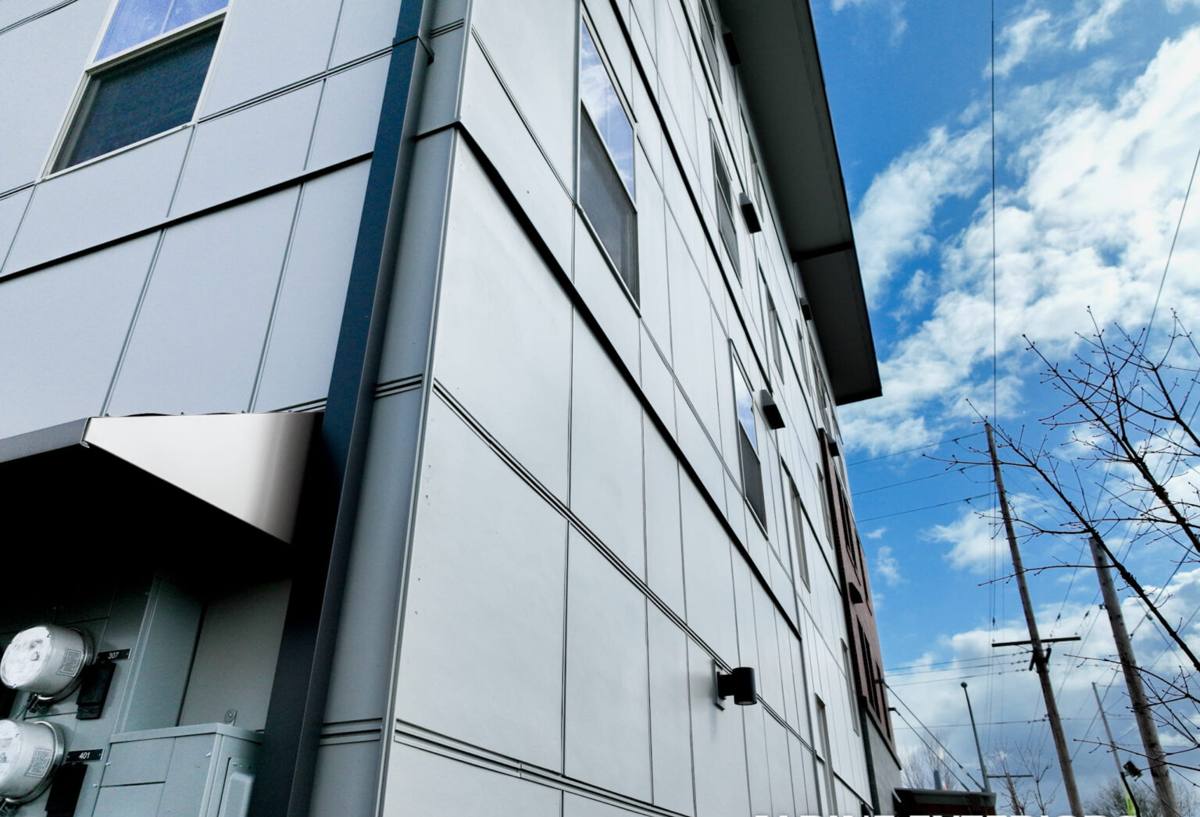
What Salt Air, Driving Rain, and Moss Season Do to Board & Batten
Board and batten siding has more vertical seams and more fasteners exposed per square foot than lap siding, which means more places for water and salt to find a way in if the system isn't built correctly. Birch Bay's location on the water adds three specific stresses:
- Salt air corrosion — airborne salt accelerates the breakdown of unprotected or under-rated fasteners, trim nails, and metal flashing. Battens installed with the wrong fastener spec are often the first thing to show streaking or rust bleed.
- Driving rain — wind off the water pushes rain sideways into vertical seams and batten edges, not just straight down. A board and batten wall needs a drainage plane behind it, not just caulked joints, or water works its way behind the boards over time.
- Long moss and algae season — the Pacific Northwest's wet, mild winters keep north- and shade-facing walls damp for months at a stretch. Siding that absorbs moisture stays wet longer and gives moss and mildew more time to establish, especially in the recesses where battens meet the field panel.
None of this means board and batten is a bad choice for Birch Bay — it means the material and the installation details have to be matched to conditions that are genuinely tougher than a typical inland Whatcom County lot.
Why We Install Board & Batten in James Hardie Fiber Cement
Board and batten can be built in several materials — cedar, engineered wood like LP SmartSide, vinyl panel systems, or fiber cement. We install James Hardie exclusively, and on a coastal application like Birch Bay the reasons are more concrete than a general preference:
- Fiber cement doesn't feed moss the way wood-based products can. Hardie's cement composition doesn't provide the organic material that algae and moss use as a food source the way wood fiber does, which matters on a shaded, damp Birch Bay lot.
- It holds paint and factory finish through salt exposure. James Hardie's ColorPlus finish is baked on and warranted against fading and flaking, which stands up better to salt air than field-applied paint on cedar or the factory coating on engineered wood siding.
- It's dimensionally stable in a wet-dry cycle. Cedar and engineered wood board and batten expand and contract with moisture; over years near the water that movement opens up the batten-to-panel seams that are supposed to stay sealed.
- It's non-combustible. Not a coastal-specific concern, but a real one for insurance and long-term value anywhere in Washington.
We don't install vinyl board and batten panel systems on these homes either — vinyl's seams and batten caps are typically snapped or friction-fit rather than truly sealed, and it's more prone to distortion in direct sun with the kind of exposure some Birch Bay lots get off the water.
Board & Batten Material Comparison for a Coastal Whatcom County Home
| Material | Behavior in salt air / driving rain | Moss & algae resistance | Long-term maintenance |
|---|---|---|---|
| James Hardie fiber cement | Stable; factory finish resists salt-driven fading | Cement composition doesn't feed growth | Occasional wash; repaint only if ever desired, decades out |
| Cedar board & batten | Absorbs moisture, moves with wet-dry cycles | Wood fiber supports moss/algae growth | Regular refinishing, seam caulking, plank replacement over time |
| Engineered wood (LP SmartSide) | Better than raw cedar but still wood-based; edge and seam moisture is the main risk | Treated but still organic substrate | Watch cut edges and seams for swelling |
| Vinyl board & batten panel | Seams rely on friction-fit joints; can distort in direct sun | Doesn't feed growth but growth sits on the surface | Low, but limited repair options if a panel cracks or fades |
What Correct Board & Batten Installation Actually Involves
The Drainage Plane Behind the Panels
The single biggest factor in whether board and batten survives driving rain off Birch Bay is what's happening behind the visible surface. A correctly built wall has a water-resistive barrier and a drainage gap so any moisture that does get past the battens has somewhere to go instead of sitting against the sheathing. This is not optional detailing on a waterfront lot — it's the difference between siding that lasts and siding that hides rot behind it for years.
Batten Spacing and Fastening
James Hardie publishes specific fastener and spacing requirements for board and batten assemblies, including batten width relative to panel seams and fastener penetration into framing. Battens fastened too far apart, or with the wrong fastener length or corrosion rating, are the first thing to fail in a salt-air environment — usually showing up as rust streaking or a loose batten within a few years.
Flashing at Every Horizontal Transition
Window heads, door heads, and any horizontal trim break in a board and batten wall need flashing that sheds water outward, not just a bead of caulk. Caulk is a maintenance item that degrades; flashing is a permanent detail. This is one of the most common shortcuts on rushed jobs and one of the hardest to catch after the wall is closed up.
Corner and Trim Details
Board and batten's clean look depends on tight, consistent corner and trim work. Done poorly, corners become another entry point for wind-driven rain; done well, they're both the most visually distinctive part of the siding and one of its most protected.
Our Process for a Birch Bay Board & Batten Project
We approach every board and batten job in Birch Bay the same structured way, because the coastal exposure doesn't leave room for skipped steps:
- On-site assessment. We look at the home's actual exposure — how much direct wind-driven rain it takes off the water, which walls stay shaded and damp longest, and the condition of the existing sheathing and framing.
- Moisture and substrate check. Before any new siding goes up, we confirm what's underneath is sound. Siding installed over compromised sheathing fails regardless of the material on top.
- Weather barrier and drainage plane installation. This is the step that determines how the wall performs in year ten, not just year one.
- Panel and batten installation to Hardie's fastening specification. Correct fastener type, spacing, and penetration — not a generic "close enough" approach.
- Flashing and trim detailing at every window, door, and horizontal break.
- Final walkthrough covering the finished wall, seams, and trim before we call the job done.
Living With Board & Batten Near the Water
Even correctly installed, a home this close to Birch Bay benefits from a little routine attention. None of this is heavy maintenance — it's the kind of upkeep that keeps a well-built wall performing the way it's supposed to:
- Rinse salt residue off the siding periodically, especially after storms with heavy onshore wind
- Keep gutters and downspouts clear so rain runoff doesn't sheet down the wall face
- Trim back vegetation and landscaping that keeps any wall shaded and damp for long stretches
- Do a visual check after major windstorms for any loosened trim or batten
- Wash shaded, north-facing walls occasionally to stay ahead of moss rather than after it's established
What to Ask Before Hiring a Board & Batten Crew in Birch Bay
Board and batten looks straightforward from the curb, which is exactly why it's easy for a crew without local, coastal experience to miss the details that matter. Before hiring anyone for this work, it's worth asking:
- Do you install a weather-resistive barrier and drainage gap behind the panels, or fasten directly to the sheathing?
- What fastener type and spacing do you use for battens, and is it to the manufacturer's published spec?
- How do you flash window and door heads under the battens — flashing, or caulk alone?
- Have you worked on homes with direct or near-direct water exposure in Whatcom County before?
- Does your installation keep the manufacturer's material warranty intact, or does it void it?
Get a Straight Answer on Your Birch Bay Project
If you're weighing board and batten siding for a home in Birch Bay, we're happy to walk the property, look at its specific exposure to wind and water, and give you a straightforward estimate — no pressure, no upsell. Fill out the form below to get started.