 Lynden Exterior
 Windows Built for Life Near Wiser Lake
Wiser Lake sits in a part of Whatcom County where the weather doesn't ask permission. Homes here deal with a mix of moisture-laden air off the lake itself, driving rain that comes in sideways during winter storms, and the salt air that drifts inland from the Puget Sound side of the county. Add in a moss season that can stretch from late fall through spring, and you've got a climate that is genuinely hard on window assemblies — not just the glass, but the frames, the sealant lines, and everything tucked behind the trim that homeowners never see.
Window installation in this kind of environment is not the same job as window installation in a dry inland climate. The margin for error is smaller. A flashing detail that would hold up fine in eastern Washington can fail within a few wet seasons out here if it's not done to account for how much water this area actually sees. That's the lens we bring to every Wiser Lake job — not a generic install, but one built for the conditions right outside the door.
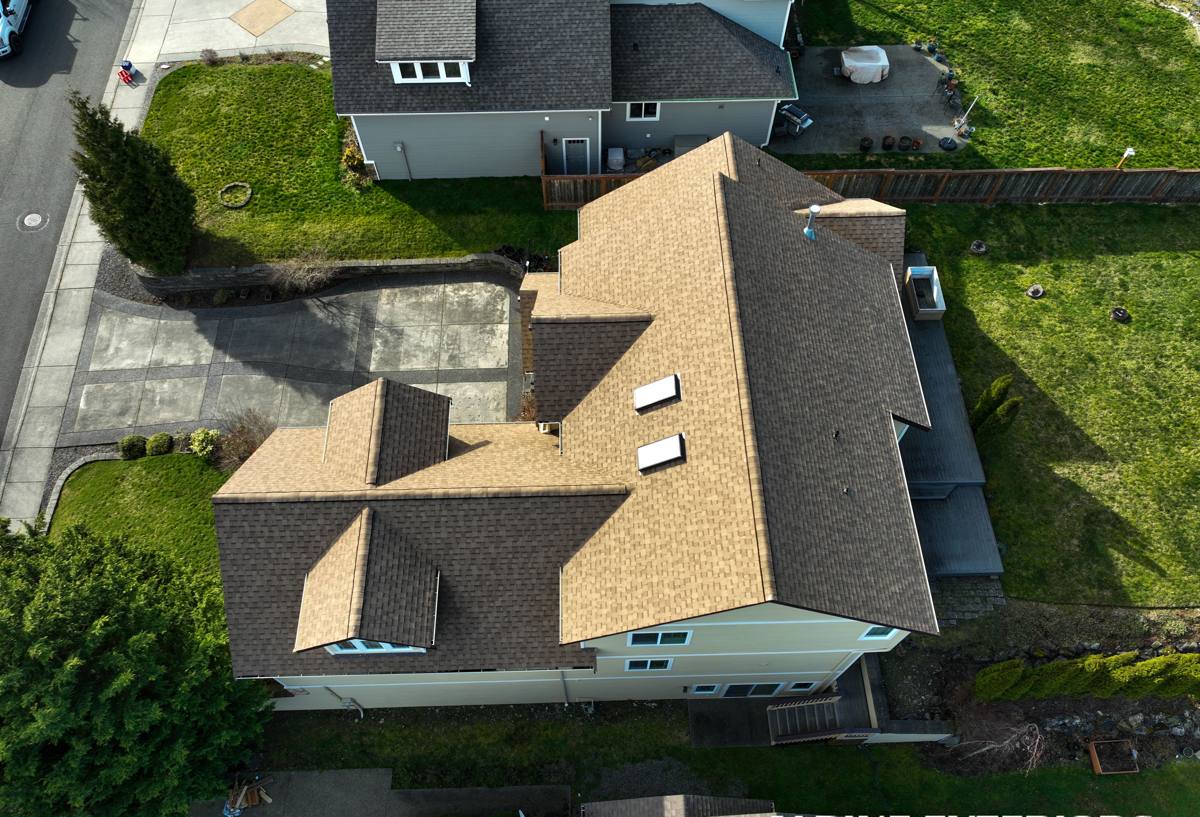
What Wiser Lake Homes Are Actually Up Against
Before we talk about the install itself, it helps to understand what's working against your windows year-round in this part of Lynden.
Moisture Intrusion
Persistent rain and lake-adjacent humidity mean window openings stay damp longer than they would in drier parts of the state. Any gap in the weather barrier around a window — even a small one — gives that moisture a path into the wall cavity, where it can sit unnoticed for months.
Wind-Driven Rain
Storms coming off the water don't just fall straight down. Driving rain pushes water sideways and upward against window assemblies, testing seals and flashing laps in ways a calm rain never would. This is one of the most common reasons older or poorly installed windows leak specifically at the bottom corners and sill.
Salt Air and Corrosion
Salt-laden air accelerates corrosion on exposed metal — hinges, cranks, screws, and lesser-grade hardware. Over years, that corrosion can seize moving parts on operable windows and cause premature failure of fasteners that are supposed to hold the frame square.
Moss and Organic Growth
A long moss season means more organic debris settling into sills, tracks, and weep holes. Left unchecked, trapped moisture behind moss growth keeps wood trim and frame components wet far longer than they should be, which shortens their lifespan.
What a Correct Window Installation Involves
Most window problems we get called out to fix aren't caused by bad windows — they're caused by installation shortcuts. The window itself might be a perfectly good product, but if the opening wasn't prepped and sealed correctly, it was going to leak eventually regardless of brand or price point. A proper install, especially in a wet, salt-influenced climate like this one, comes down to layering the details correctly.
- Remove the old window and inspect the rough opening for hidden rot, soft framing, or prior water damage before anything new goes in
- Install a fully lapped, weather-resistant barrier system so water is always directed outward and downward, never trapped behind the frame
- Set sill pan flashing to catch and redirect any water that does get past the primary seal
- Shim and square the window properly so it operates smoothly and doesn't stress the seal over time
- Seal and insulate the gap between the frame and rough opening — not just caulk on the exterior trim
- Use corrosion-resistant fasteners and hardware suited to a salt-air environment
- Finish exterior trim and caulking in a way that sheds water rather than collecting it
- Test operable windows for smooth function and confirm weep holes are clear and working
Skip any one of these steps and the window can still look fine for a year or two before problems show up — which is exactly why so many leaks get blamed on the wrong thing.
Choosing the Right Window for This Climate
There's no single "best" window material for every home, but some options handle Whatcom County's wet, salt-touched air better than others. Here's how the common choices stack up for a Wiser Lake application.
| Frame Material | Moisture Performance | Maintenance | General Cost Position |
|---|---|---|---|
| Vinyl | Good; won't rot or corrode, but seams need quality welds | Low | Most affordable |
| Fiberglass | Excellent; dimensionally stable in wet/dry cycling | Low | Mid to upper range |
| Aluminum | Fair; prone to condensation and corrosion near salt air unless thermally broken | Moderate | Mid range |
| Wood / Wood-clad | Requires diligent sealing and upkeep to avoid rot | High | Upper range |
We're generally cautious about recommending bare wood or standard aluminum frames for homes directly exposed to lake moisture and salt air without a strong maintenance commitment from the homeowner — not because those materials are bad products, but because they demand more upkeep to perform well long-term in this specific environment. Vinyl and fiberglass tend to be the lower-maintenance path for most Wiser Lake homeowners, and we'll walk through the real trade-offs for your specific house rather than pushing one option across the board.
Our Process for a Wiser Lake Window Installation
1. On-Site Assessment
We walk the exterior and interior of each window opening, checking for existing water damage, soft framing, or drafts before we ever talk products. This tells us what the job actually needs, not just what's convenient to sell.
2. Straightforward Estimate
You get a clear breakdown of scope, materials, and cost — no pressure, no inflated urgency tactics. If a window doesn't need full replacement, we'll say so.
3. Careful Removal and Opening Prep
We protect your interior and landscaping, remove the old unit, and address anything we find in the opening — rot, damaged sheathing, or old flashing that needs replacing — before the new window goes in.
4. Installation to Local Standards
Flashing, barrier layering, shimming, sealing, and hardware selection are all done with this climate in mind, not a generic checklist.
5. Function Test and Walkthrough
We test operation, check seals, and walk the finished work with you so you know exactly what was done and why.
Signs a Wiser Lake Home May Need New Windows
- Fogging or condensation between panes on double- or triple-pane units
- Visible gaps, soft trim, or paint bubbling around the frame
- Drafts you can feel near the window edge on a windy day
- Windows that are difficult to open, close, or lock properly
- Water staining on interior sills or the wall below a window
- Musty smell near a window that doesn't go away with cleaning
- Visible corrosion on hinges, cranks, or exterior hardware
Any one of these on its own isn't necessarily an emergency, but a combination of two or more is usually a sign the window and its installation are no longer keeping pace with the weather here.
Why a Local Lynden Crew Matters for This Job
A crew that works Whatcom County regularly knows how this specific climate behaves — how much water a wall assembly near Wiser Lake actually sees over a winter, how far salt air travels inland here, and how quickly moss reestablishes itself on a sill that isn't detailed correctly. That knowledge shapes real decisions on the job: which flashing lap sequence to use, which hardware grade is worth the upgrade, and where the extra ten minutes of sealant work actually pays off over the life of the window.
It also means accountability. If something needs a second look after the install, we're a short drive away, not a call center. That matters more in a wet climate than a dry one, because problems here tend to show up gradually — a small gap that seemed fine in July can be a real leak by January.
Keeping New Windows Performing Long-Term
A correct installation is most of the battle, but a little seasonal attention extends the life of any window in this climate:
- Clear moss and debris from sills and tracks before it accumulates through a wet season
- Check weep holes on operable windows to make sure they're not blocked
- Wipe down and lightly lubricate hardware periodically to slow salt-air corrosion
- Inspect exterior caulk lines annually and touch up before gaps widen
- Watch for paint or trim wear around the frame as an early warning sign
None of this is complicated, but it's easy to skip — and skipping it is how a well-installed window ends up with an avoidable problem five or ten years down the road.
Get a Straightforward Estimate
If you're weighing whether it's time for new windows around Wiser Lake, or you want a second opinion on a leak or draft you've noticed, we're happy to take a look. The estimate is free, there's no pressure, and you'll get an honest read on what your home actually needs — use the form below to get started.