 Lynden Exterior
 Roof Repair in Ferndale: Why Local Conditions Change the Job
Ferndale sits close enough to the water that salt air is a real factor in how roofs age here, and it sits squarely in the path of the driving rain that rolls off the Strait of Georgia and up through Whatcom County all winter. Add a moss season that runs longer here than in drier parts of the state, and you have a roof environment that punishes shortcuts. A repair that would hold up fine in an inland, drier climate can fail within a season or two in Ferndale if it doesn't account for what this specific area does to roofing materials.
This page is about roof repair specifically — patching, flashing work, leak tracing, storm damage fixes, and targeted section replacement — not full tear-off roof replacement. Most roofs that are otherwise sound don't need to be replaced; they need the right repair done correctly, with materials and methods suited to Whatcom County's coastal-influenced climate.
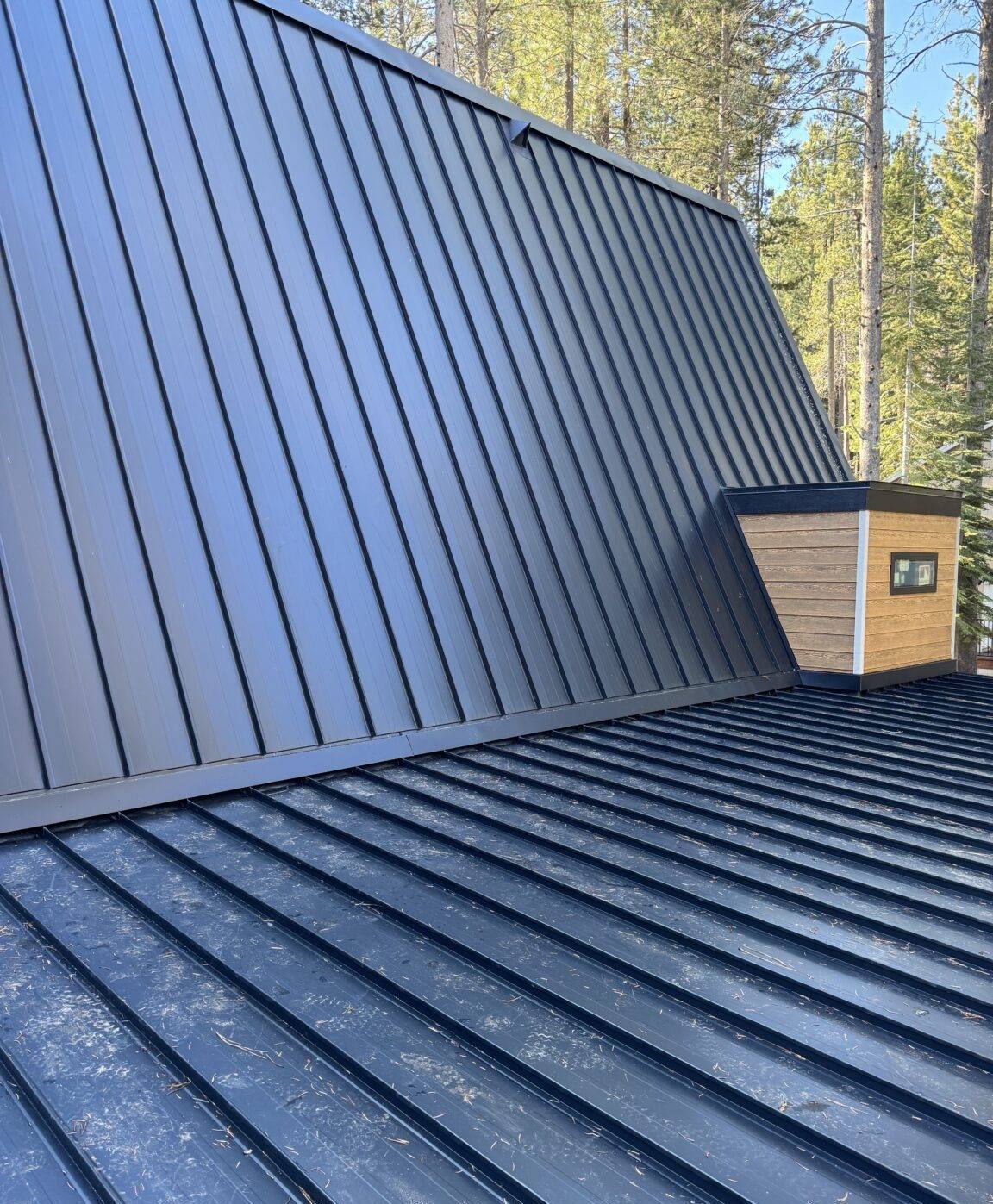
What Ferndale's Climate Actually Does to a Roof
Salt Air and Metal Fatigue
Homes closer to Bellingham Bay and the surrounding shoreline deal with airborne salt that accelerates corrosion on anything metal — flashing, fasteners, gutter hardware, and exposed nail heads. Salt-laden moisture works into small gaps and speeds up rust in ways homeowners further inland don't usually see. A repair that uses the wrong grade of metal, or leaves fasteners exposed, tends to show corrosion again within a few years in this environment.
Driving Rain and Wind-Driven Moisture
Ferndale gets a lot of rain that doesn't fall straight down. Wind off the water pushes rain sideways and upward under shingle edges, around chimneys, and into valleys and flashing seams that would stay dry in a calmer climate. This is why so many local leaks aren't from a single obvious hole — they're from water finding a lateral path under materials that were installed for straight-down rain, not driving rain.
A Long Moss Season
Whatcom County's combination of shade, moisture, and mild temperatures gives moss and algae a long window to establish on north-facing slopes and shaded roof planes. Moss holds moisture against the roofing material far longer than open air would, which softens shingles, lifts edges, and works its way under laps and flashing over time. Left unaddressed, moss growth is one of the most common root causes behind repair calls we get in this area — it's rarely just cosmetic.
Common Roof Repair Issues We See in Ferndale
| Issue | Typical Cause Here | What Happens If Ignored |
|---|---|---|
| Lifted or cracked shingles at edges and valleys | Wind-driven rain working under laps; age plus UV exposure | Water tracks under the roof deck, leading to interior leaks and deck rot |
| Rusted or failing flashing | Salt air corrosion, especially on older galvanized flashing | Flashing seams open up, allowing water directly into wall or roof cavities |
| Moss and algae buildup | Shaded, moisture-holding roof planes; long wet season | Shingle granule loss, lifted edges, trapped moisture, premature aging |
| Clogged or damaged gutters and downspouts | Debris from surrounding trees combined with heavy rain volume | Water backs up under the roof edge and can damage fascia and soffits |
| Nail pops and fastener corrosion | Salt exposure plus seasonal expansion and contraction | Small leak points that widen over time and are easy to miss until stains appear |
Signs a Ferndale Home Needs a Roof Repair
Most roof damage in this area doesn't announce itself with a dramatic leak on day one. It shows up as smaller signals first. Homeowners who catch these early usually end up with a simpler, cheaper repair.
- Water stains or discoloration on interior ceilings, especially near exterior walls or chimneys
- Visible moss or dark streaking on shaded roof slopes
- Shingles that look curled, cracked, or are missing granules in patches
- Rust streaks below metal flashing or vent boots
- Sagging or soft spots when walking near the roof edge (viewed from the ground, not something to test yourself)
- Gutters overflowing during normal rain, not just heavy storms
- Daylight visible through the roof deck from inside an attic
- A noticeably higher heating bill with no other explanation, which can point to moisture-compromised insulation below a leak
What a Correct Roof Repair Actually Involves
A roof repair done right in this climate is more than swapping a few shingles. It requires finding the actual entry point — which is often not directly above the interior stain, since water travels along the deck before it drips through — and addressing the materials around it, not just the visible damage.
Leak Tracing
Water follows the path of least resistance along roof decking, rafters, and underlayment before it shows up inside. A repair that only patches the spot above the ceiling stain without tracing the actual entry point often leaves the real problem in place.
Matching Materials and Fastener Grade
In a salt-air environment, fastener and flashing material matters more than it does elsewhere in the state. We use corrosion-resistant fasteners and flashing appropriate for coastal-influenced conditions rather than whatever is cheapest, because standard-grade hardware corrodes faster here and turns a repair into a callback.
Flashing and Underlayment Integrity
Most driving-rain leaks trace back to flashing — around chimneys, skylights, wall-to-roof transitions, and valleys — rather than the field of the roof itself. A correct repair reseats or replaces flashing properly, with underlayment integrated so water has a continuous path off the roof rather than a gap for wind-driven rain to exploit.
Moss and Debris Treatment
Where moss is contributing to the damage, removal alone isn't enough — the roof needs to be cleared without damaging granules, and the underlying cause (shade, poor airflow, debris buildup) addressed so it doesn't return within a season.
Repair vs. Replacement: How We Help Homeowners Decide
Not every roof problem calls for a full replacement, and not every roof is a good candidate for another repair. We give straight answers based on what we actually find on the roof, not a sales pitch either direction.
| Factor | Favors Repair | Favors Replacement |
|---|---|---|
| Roof age | Well within expected lifespan for the material | At or past the material's typical service life |
| Damage extent | Isolated to one area (a valley, a flashing point, a section of slope) | Widespread across multiple slopes or systemic (deck-level rot in several areas) |
| Number of past repairs | First or second repair on this roof | Repeated repairs in the same areas that keep recurring |
| Underlying deck condition | Deck is solid where exposed | Deck shows rot or soft spots when opened up |
| Budget and timeline | Lower upfront cost, faster turnaround | Higher upfront cost, but resets the clock on the whole roof |
We'll always tell you honestly if a repair is a temporary patch rather than a real fix — that's information you need to plan around, not something to find out later.
Our Roof Repair Process
- Inspection and leak tracing. We assess the affected area and surrounding roof, checking flashing, valleys, vents, and shaded slopes for related issues, not just the one spot you called about.
- Honest assessment. We explain what we found, what's causing it, and whether a repair is the right call or a stopgap — and we'll say so if it's the latter.
- Written scope and estimate. You'll know what's being repaired, with what materials, before work starts.
- The repair itself. This includes removing damaged material down to sound decking, addressing the actual cause (not just the symptom), and installing matched, corrosion-appropriate materials and flashing.
- Cleanup and check. We clear debris, check drainage paths like gutters and downspouts near the repair, and confirm the fix addresses the original problem.
Why a Crew That Already Works Ferndale Matters
Roof repair advice that works in a dry inland climate doesn't always hold up here. A crew that regularly works Whatcom County roofs knows which flashing details fail first in wind-driven rain, which north-facing slopes need moss attention every year rather than every few years, and which fastener grades actually last near the water instead of rusting out early. That's not something you can fully judge from a written estimate — it comes from repairing roofs in this specific environment over and over.
It also means faster response. Storm damage and active leaks don't wait for a convenient schedule, and a contractor already working in and around Ferndale can typically get eyes on a problem sooner than one dispatching a crew from farther away.
Questions to Ask Before Hiring for a Roof Repair
- Will you trace the actual leak source, or just patch the visible spot?
- What fastener and flashing materials will you use, and are they appropriate for a coastal-influenced climate?
- Is this repair a lasting fix or a temporary measure — and if temporary, what's the timeline before it needs more work?
- Will you check for related issues nearby, like moss buildup or gutter drainage, while you're up there?
- What does the written estimate include, and what would trigger additional cost?
Maintenance Between Repairs
A repair lasts longer when the rest of the roof is kept in reasonable shape. Clearing debris from valleys and gutters before the wet season, keeping an eye on shaded slopes for early moss growth, and having a roof looked at after any significant windstorm all reduce the odds of the next leak. None of this requires a professional visit every time — but knowing what to watch for helps you catch small problems before they become repair calls.
If you're dealing with a leak, storm damage, or a roof that just doesn't look right anymore, we're happy to take a look and give you a straight answer about what it needs. Reach out for a free, no-pressure estimate using the form below.