 Lynden Exterior
 Window Replacement Built for the Nooksack Area
Nooksack sits in a part of Whatcom County where weather isn't a once-in-a-while inconvenience — it's a constant. Homes here deal with long stretches of driving rain, humid air moving through the river valley, and a moss season that seems to start earlier and last longer every year. Windows take the brunt of that. Frames swell and shrink, seals fail years before they should, and moisture finds its way into places it was never supposed to reach.
A window replacement in Nooksack isn't just a cosmetic upgrade or an energy-bill fix. Done right, it's a moisture-management project first and a comfort upgrade second. We approach every job that way, because we've seen what happens when it isn't.
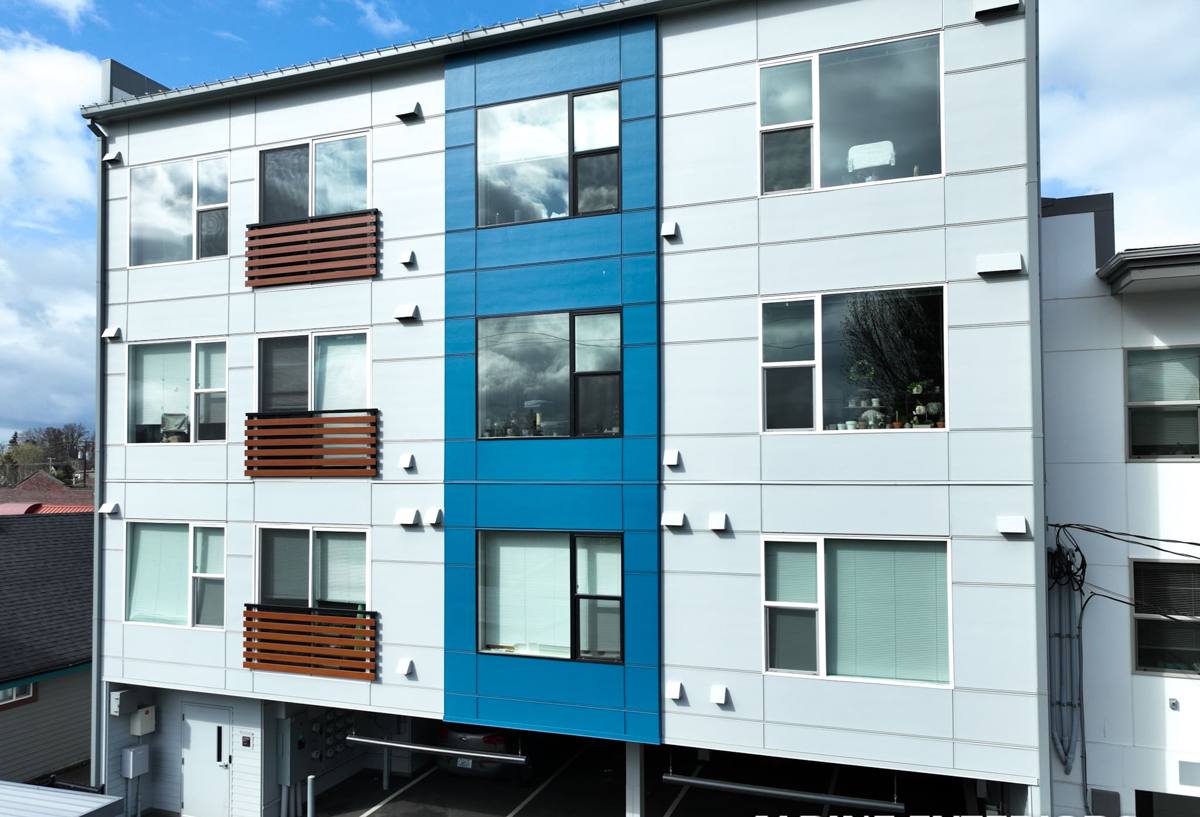
What Local Climate Does to Windows Over Time
Whatcom County's weather pattern is a slow, steady grind rather than dramatic storms. That's actually what makes it hard on windows — the damage builds quietly, over years, and often isn't visible until it's significant.
Driving Rain and Wind-Driven Moisture
Rain here rarely falls straight down. Wind pushes it sideways against west- and south-facing walls, forcing water into gaps around window frames that would stay dry in a calmer climate. Over time, that wind-driven rain finds any weak point in the flashing, caulking, or trim.
Humid, Marine-Influenced Air
The marine air that moves inland across Whatcom County keeps humidity elevated for much of the year, including through the Nooksack river valley. That moisture doesn't just sit outside — it works its way into wall cavities and window framing, especially where old caulk has cracked or where a window was installed without proper flashing in the first place.
Moss and Organic Growth
A long moss season means more than green roofs. Moss and algae hold moisture against wood trim and sills, and once organic growth gets established around a window opening, it accelerates rot instead of just being an eyesore. We regularly see sills and lower frame corners that look fine from a distance but are soft underneath from years of trapped moisture and moss cover.
Temperature Swings
Whatcom County doesn't get extreme heat, but the daily and seasonal swings — cold, damp mornings followed by warmer afternoons — cause repeated expansion and contraction in window frames and seals. Single-pane and older double-pane units lose their seal integrity faster under this kind of cycling than they would in a more stable climate.
Signs a Nooksack Home Is Ready for Window Replacement
Most homeowners wait too long, not because they don't notice problems, but because early symptoms look minor. Here's what we tell people to actually watch for:
- Fogging or a hazy film between panes — the seal has failed and the insulating gas or air gap is compromised
- Visible gaps, cracked caulk, or daylight around the frame when the window is closed
- Wood trim or sills that feel soft, spongy, or discolored, especially near the bottom corners
- Persistent moss, algae, or black staining on or around the frame that keeps coming back after cleaning
- Windows that are difficult to open, close, or latch — a sign the frame has swollen or shifted
- Noticeable drafts or cold spots near windows even when they're fully closed
- Condensation forming on the inside of the glass regularly, not just on unusually cold mornings
- Rising heating bills without any other explanation
One or two of these on their own might just mean a repair. Several together, especially moisture-related signs, usually mean the window and possibly the surrounding framing need to come out.
What a Correct Window Replacement Actually Involves
Window replacement has a reputation for being simple — pull the old one, drop in the new one. In a climate like this, that shortcut is exactly how homeowners end up with rot behind brand-new windows within a few years.
Full Tear-Out and Inspection
We remove the old window completely rather than doing an insert-only install over failing framing. That's the only way to actually see what's happening behind the trim — whether the sheathing is sound, whether there's existing water damage, and whether the rough opening is still square and structurally solid.
Flashing and Moisture Barrier Work
This is the step that matters most in a wet climate and the one most likely to get skipped by crews trying to move fast. Proper flashing — sill pan, side flashing, and head flashing integrated correctly with the house wrap or building paper — is what actually keeps wind-driven rain from getting behind the window in the first place. A window can be excellent quality and still fail early if this layer is done wrong.
Air Sealing and Insulation
Gaps around the new frame get properly insulated and air-sealed, not just caulked on the surface. This addresses both comfort and the risk of condensation forming inside the wall cavity.
Finish Work That Matches the Home
Interior and exterior trim gets reinstalled or replaced so the finished look matches the rest of the house, with all seams sealed against the same driving rain that caused problems with the original window.
Choosing the Right Window Material for This Climate
There's no single "best" window for every home — the right choice depends on exposure, budget, and how much maintenance a homeowner wants to take on. Here's how the common options actually compare for a home dealing with Whatcom County's rain and humidity:
| Material | Moisture Resistance | Maintenance | Typical Lifespan |
|---|---|---|---|
| Vinyl | Very good — won't rot, resists moisture well | Low — occasional cleaning | 20–30 years |
| Fiberglass | Excellent — dimensionally stable in wet/dry cycles | Low | 30–40+ years |
| Wood (clad exterior) | Good if the exterior cladding stays intact; interior wood needs protection | Moderate to high — exterior seals need monitoring | 20–30 years with upkeep |
| Aluminum | Fair — can conduct condensation without a thermal break | Low | 20–25 years |
Our default recommendation for most Nooksack homes is vinyl or fiberglass, simply because both handle repeated wet-dry cycling and humidity without the ongoing maintenance burden that wood-clad or bare aluminum units carry in this climate. That's a maintenance and moisture-behavior call, not a knock on any manufacturer — wood-clad windows can perform well, but they demand more attentive upkeep than most homeowners realize going in.
Our Process, Start to Finish
- On-site assessment — we look at every window being considered, check for hidden moisture or framing issues, and take real measurements
- Honest recommendation — we tell you which windows genuinely need replacing now versus which can reasonably wait
- Written estimate — clear pricing by window, material, and any framing repair that's needed, no vague lump sums
- Scheduling around weather — we plan install days to minimize how long any opening is exposed, which matters more here than in drier climates
- Tear-out, flashing, and install — done to the standard described above, not the fastest version possible
- Final walkthrough — we check operation, seals, and finish work with you before we consider the job done
What Affects the Cost
We won't quote a number here that doesn't apply to your house, but these are the factors that actually move the price up or down on a Nooksack window replacement:
| Factor | Why It Matters |
|---|---|
| Number and size of windows | Larger openings and whole-house projects have different per-unit economics than single replacements |
| Material chosen | Vinyl, fiberglass, and wood-clad windows carry different unit costs |
| Condition of existing framing | Rot or water damage behind old windows adds repair work before the new unit can go in |
| Access and home height | Second-story or hard-to-reach windows take more time and equipment |
| Full-frame vs. insert replacement | Full-frame costs more but is often the right call when moisture damage is present |
Why a Local Crew Matters Here
A crew that already works in and around Nooksack has seen how this specific stretch of Whatcom County behaves — which exposures take the worst of the driving rain, how early moss shows up on north-facing trim, and how humid air sits in the valley longer than it does on higher, more open ground. That's not something you can fully account for from a general install checklist. It shapes real decisions: how much flashing overlap to use, which sealants actually hold up, and when a full-frame replacement is worth the extra cost over an insert.
It also means accountability. A local company has a reputation in the community to maintain and isn't going anywhere if a question comes up two years after the install.
Protecting Your Investment After Installation
New windows still need some basic upkeep in this climate:
- Rinse frames and sills periodically to keep moss and algae from taking hold
- Check exterior caulking annually, especially after the wettest winter months
- Keep gutters and downspouts clear so water isn't sheeting directly onto window openings
- Address any new soft spots in trim immediately rather than waiting for the next dry season
None of this is difficult, but it's the difference between a window replacement that lasts three decades and one that starts showing the same old problems in five years.
If your windows in the Nooksack area are showing any of the signs above, or you just want an honest read on whether repair or replacement makes more sense, we're happy to come take a look. The estimate is free, there's no pressure, and you'll get a straight answer either way — just fill out the form below to get started.