 Lynden Exterior
 Window Installation Built for Everson's Climate
Everson sits in the same weather system as the rest of Whatcom County — cool, wet, and salt-tinged air rolling in off the Puget Sound and Georgia Strait, mixed with the damp, shaded conditions that come from being tucked against farmland and river valley timber. Windows here don't fail because they're old in the abstract. They fail because year after year of driving rain, condensation, and moss growth find every weak point in the seal, the flashing, or the frame material. A window installed correctly for this climate can last decades. One installed with shortcuts — bad flashing, no back-dam, caulk instead of proper drainage — will show problems within a few winters, no matter how good the window itself is.
This page covers what window installation means specifically for homes in Everson and the surrounding Lynden area, what a correct job looks like, and why local experience matters as much as the product you choose.
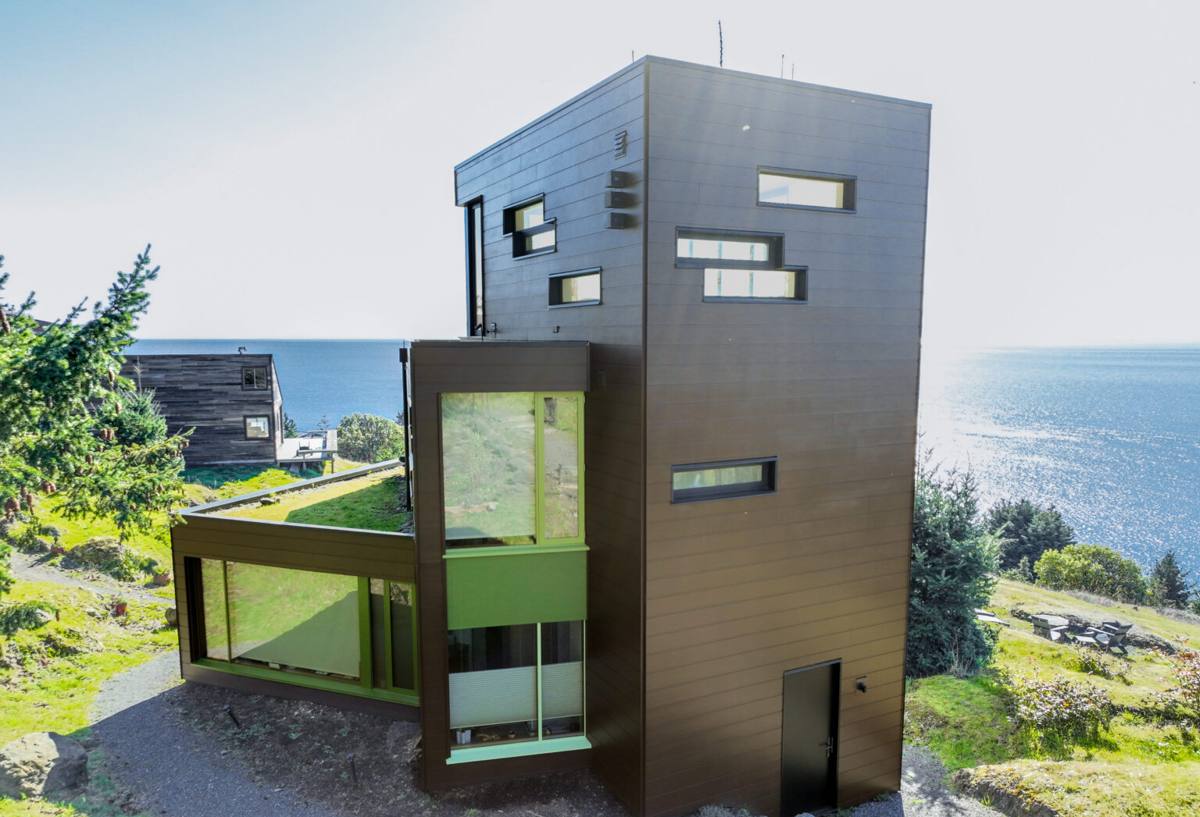
What Whatcom County Weather Does to Windows Over Time
Three things do most of the damage to windows in this area, and they compound each other:
Salt Air
Even well inland from the water, salt-laden air carried on marine winds accelerates corrosion on window hardware — hinges, locks, balance mechanisms, and screen frames. Cheaper hardware and untreated aluminum components pit and seize up faster here than they would in a dry inland climate.
Driving Rain
Storms in this region rarely fall straight down. Wind-driven rain hits window walls at an angle, which means it's constantly testing the flashing and drainage details around a window, not just the glass and frame. A window that's watertight in a light straight rain can still leak badly in a sideways storm if the flashing wasn't installed correctly.
Moss and Sustained Moisture
Long wet seasons keep humidity high around window trim, sills, and the wood framing behind them. Moss and algae take hold on shaded north- and west-facing walls, holding moisture against the siding and window trim for months at a time. That constant dampness is what eventually rots sills and framing that a drier climate would never touch.
None of this means windows are a lost cause in Everson — it means the installation details that a lot of crews treat as optional are actually the whole job.
Signs It's Time for New Windows
- Visible fogging or moisture between panes — the seal has failed and the insulating gas is gone
- Soft, spongy, or discolored wood at the sill or bottom corners of the frame
- Windows that are hard to open, close, or lock, especially after damp weather
- Drafts you can feel near the frame even when the window is fully latched
- Paint or trim that keeps peeling or blistering in the same spot every year
- Visible daylight or gaps around the frame from outside
- Moss or dark staining building up on the trim or sill that keeps coming back after cleaning
Any one of these on its own might just need a repair. Several together, especially on the same window, usually mean the unit and its surrounding flashing have reached the end of their service life.
What a Correct Window Installation Actually Involves
The window itself is maybe a third of what determines how it performs. The other two-thirds is what happens in the wall around it, most of which is invisible once the trim goes back on.
Removing the Old Window and Checking the Opening
Once the old unit is out, the rough opening gets inspected for rot, soft framing, or prior water damage — which is common on homes that have gone through a wet decade or two without anyone looking behind the trim. Any damaged framing gets addressed before a new window ever goes in. Installing a new window into a compromised opening just hides the problem for a few more years.
Flashing and Drainage
This is the single most important part of the job in a climate like this one. Proper flashing creates a shingled, overlapping path that directs any water that gets behind the siding back out, rather than letting it pool at the sill. A back-dam at the bottom of the opening and correctly lapped house wrap or building paper matter more to long-term performance than almost anything else in the install.
Insulation and Air Sealing
The gap between the window frame and the rough opening needs to be filled with the right material — low-expansion foam or backer rod and sealant, not whatever is on hand. Overfilling with high-expansion foam can actually bow the frame and cause the window to operate poorly, so this step takes more restraint than people expect.
Final Fit, Fasteners, and Trim
The window gets shimmed level, plumb, and square, fastened per the manufacturer's schedule, and checked for smooth operation before any trim or caulk goes on. Interior and exterior sealant is the last line of defense, not the first — a window that relies on caulk alone to stay dry is a window that will eventually leak.
Choosing the Right Window for This Climate
There's no single "best" window for every home — it depends on budget, the home's age and style, and how much upkeep you want to take on. Here's how the common frame materials compare for a wet, salt-air climate like Everson's:
| Frame Material | Moisture Behavior | Maintenance | General Cost Range |
|---|---|---|---|
| Vinyl | Won't rot or corrode; good seal life | Low — occasional cleaning | Lower |
| Fiberglass | Excellent stability in wet/humid swings; resists warping | Low | Mid to upper |
| Aluminum | Can corrode from salt air over time; prone to condensation without thermal breaks | Moderate | Mid |
| Wood / Wood-Clad | Attractive but vulnerable to rot without diligent upkeep in this climate | High — regular painting/sealing | Upper |
We generally steer homeowners in this area away from bare wood exteriors and toward vinyl, fiberglass, or well-clad options, simply because the maintenance burden of raw wood in a long, wet, mossy climate is a lot to keep up with year after year. That's a practical recommendation based on upkeep, not a knock on wood windows as a product — some homeowners are happy to maintain them and get a look they love out of it. Double-pane, gas-filled units are standard for this region's temperatures; triple-pane is worth discussing if the home faces heavy wind exposure or the owner wants maximum noise and draft control, though it comes at a cost and weight premium.
Our Process, Start to Finish
- Estimate and walkthrough — we look at each window individually, not just the "how many windows" number, since exposure and condition vary a lot even on one house
- Measuring and product selection — exact dimensions and frame material/style decisions based on the home's construction and your budget
- Ordering — lead times vary by manufacturer and season, and we'll give you a realistic timeline up front rather than an optimistic guess
- Site prep and protection — flooring, landscaping, and interior surfaces protected before any work starts
- Removal and opening inspection — old units out, framing checked and repaired as needed
- Install with proper flashing and sealing — the drainage and air-sealing details covered above, done the same way every time
- Final check and walkthrough — operation, locks, and seals tested with you before we consider the job done
Why a Crew That Already Works Everson and Lynden Matters
Whatcom County has a mix of older farmhouses, mid-century homes, and newer construction, and each era has its own quirks — different rough opening sizes, different original flashing details (or none at all), different framing lumber that's had decades to react to the local humidity. A crew that regularly works this specific area has already seen how these homes were built and where they tend to have hidden rot or settling around openings, so there are fewer surprises once the old window comes out.
There's also a practical timing element: driving rain and wet stretches aren't rare here, and scheduling an install around weather windows — or protecting an open wall properly if conditions turn — is something you learn by doing it in this climate repeatedly, not by reading a manual. Local permitting familiarity and knowing which product lines actually hold up in Whatcom County conditions over the long run also comes from being on these jobs regularly, not occasionally passing through.
After Installation: Keeping Windows Performing
A correctly installed window still benefits from a bit of seasonal attention in this climate:
- Rinse moss and algae off nearby trim and siding before it builds up thick enough to hold moisture against the wall
- Check exterior caulk lines once a year, especially after a hard winter, and touch up any cracking
- Keep gutters and downspouts clear so runoff isn't sheeting directly down over window heads
- Operate and lubricate locks and balances occasionally to keep salt-air corrosion from seizing them up
- Address any new soft spots at the sill or trim right away rather than waiting for a bigger repair
Windows installed with correct flashing and drainage shouldn't need much beyond this — but a five-minute check twice a year catches small issues long before they become expensive ones.
If you're weighing whether your Everson or Lynden home needs new windows, a repair, or just a closer look at what's going on around an existing one, we're happy to come take a look. There's no pressure and no charge for the estimate — just an honest read on what your home actually needs.