 Lynden Exterior
 Deck Repair in Kendall
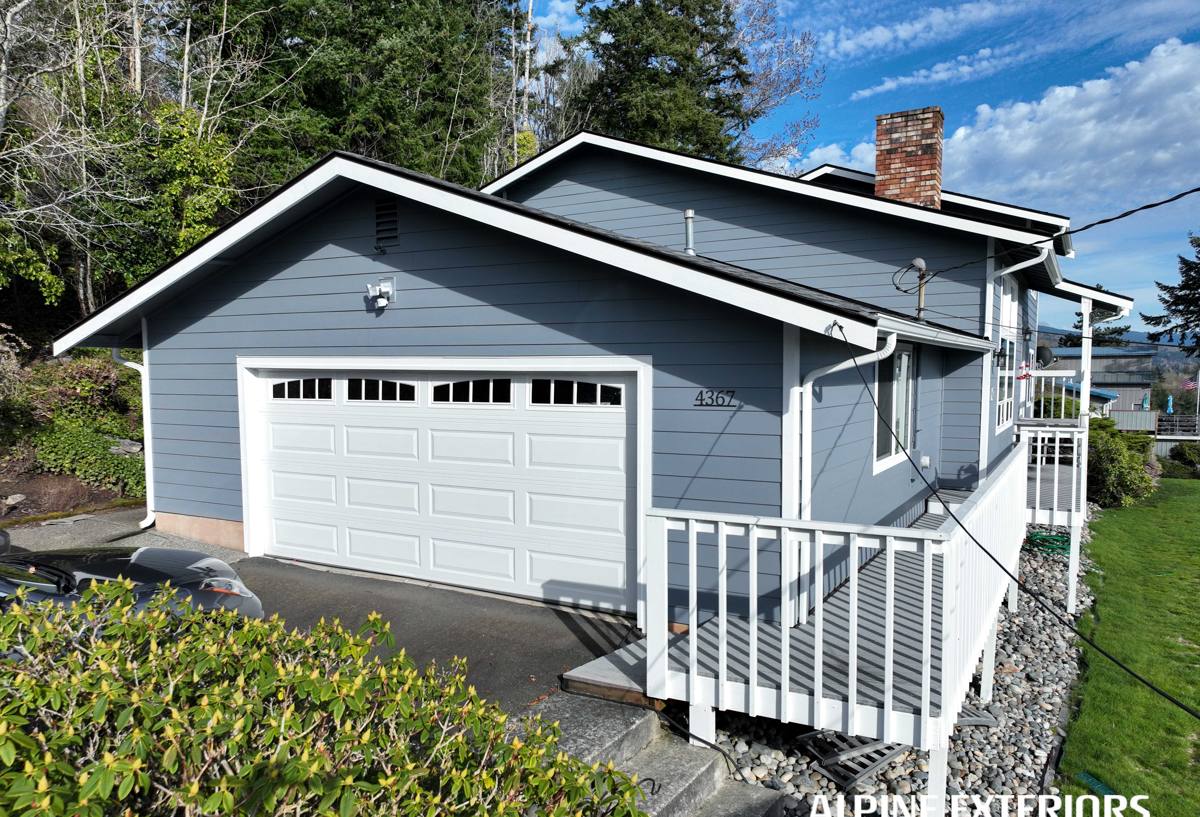
Kendall sits up against the foothills east of Lynden, and that location comes with its own weather pattern. You get more rain than the valley floor, cooler shaded mornings that hold moisture longer, and a moss season that can run from October well into spring. Decks out here work harder than decks closer to town, and it shows in the kind of repair calls we get: soft boards near the house, green-black staining on the north side, and railings that have started to wobble after a few wet winters. This page covers what deck repair actually involves for Kendall properties specifically, not a generic list of deck problems.
Why Kendall Decks Wear the Way They Do
A few things stack up against decks in this part of Whatcom County:
- Tree cover and shade. Many Kendall lots back up to woods or have mature trees nearby, which means decks get less direct sun to dry out between rain events. Slower drying means more time for wood to stay wet, which is exactly what rot and moss need.
- Elevation and rainfall. Areas closer to the foothills tend to catch a bit more precipitation than Lynden proper, so decking, ledger boards, and framing see more total moisture exposure over a season.
- Long moss season. Moss holds water against the wood surface and keeps boards damp long after the rain stops. Left alone, it accelerates surface decay and makes boards slick and dangerous underfoot.
- Driving rain and wind-blown wet. Storms coming off the water and up through the valley don't always fall straight down — wind-driven rain gets under rail caps, into end-grain cuts, and behind fascia boards that would otherwise stay relatively dry.
None of this means Kendall decks are doomed — it means they need the right materials, the right details at vulnerable points, and periodic attention. A deck built or repaired without accounting for this climate will fail faster here than the same deck would in a drier part of the state.
What We Actually Check
Before we recommend any repair, we inspect the deck as a system, not just the visible surface. A lot of deck damage starts underneath or behind something and only shows up on top once it's advanced.
Structural Points We Prioritize
- Ledger board attachment — where the deck bolts to the house. This is the single most safety-critical connection on most decks, and it's also the point most exposed to water running down siding and pooling behind the deck.
- Support posts and footings — checked for rot at ground contact, post base connections, and any movement or settling.
- Joists and beams — probed for soft spots, especially where joist hangers trap moisture or where flashing is missing or damaged.
- Decking boards — surface wear, cupping, splitting, and soft spots from standing water or moss growth.
- Railings and stairs — post connections, baluster spacing and security, and stair stringer condition, since these are the components most tied to everyday safety.
We also look at drainage — where water actually goes once it hits the deck surface — because a repair that ignores drainage tends to fail again within a season or two.
Common Repairs We Handle in Kendall
Rot Repair and Board Replacement
Soft or spongy decking, especially near the house or in shaded corners, usually means moisture has been sitting in the wood longer than it should. We remove and replace only the affected boards and framing when the damage is contained, or recommend broader replacement when rot has spread through multiple structural members. We won't just cap over soft wood — that hides a problem instead of fixing it.
Ledger Board and Flashing Repair
If water has been getting behind the ledger board where the deck meets the house, this is a priority repair. Proper flashing redirects water away from the connection rather than letting it channel straight into the rim joist and siding. This is one of the most common failure points we find on older decks in wetter parts of the county.
Railing and Post Repair
Loose or wobbly railings are a safety issue, not a cosmetic one. We repair or replace failed post connections, address rot at the base of posts, and make sure railings meet current code for spacing and load, especially on decks that predate current building standards.
Moss and Surface Treatment
Moss removal alone doesn't solve the underlying moisture problem, but it's a necessary step before any repair, and ongoing moss control extends the life of both new and existing decking. We clean surfaces properly before repair work so new boards and fasteners have a sound, dry base to attach to.
Fastener and Hardware Upgrades
Older decks in this climate often used fasteners that corrode or react poorly with treated lumber over time. Where we find corroded hardware, we upgrade to fasteners and connectors rated for the wood and exposure involved, since hardware failure is a quiet but serious risk on an otherwise decent deck.
Repair vs. Replacement
Not every deck problem needs a full rebuild, and we'll tell you plainly when repair is the right call versus when you're better off replacing sections or the whole structure.
| Situation | Usually Repair | Usually Replace |
|---|---|---|
| Isolated soft boards, framing sound | Yes | — |
| Rot at ledger board or multiple joists | Case by case | Often, if structural |
| Loose railings, sound posts | Yes | — |
| Deck over 20-25 years old with widespread rot | — | Yes |
| Surface wear, cupping, but structure solid | Yes | — |
| Footings settled or undersized | — | Yes |
We'll always give you the honest read after inspection rather than pushing toward the bigger job by default. A well-targeted repair on a structurally sound deck can add years of safe use for a fraction of replacement cost.
Materials That Hold Up in This Climate
Whatcom County's moisture load makes material choice matter more than it would in a drier region. For repairs, we generally recommend:
- Pressure-treated lumber for structural framing and posts, since it's rated for ground contact and ongoing moisture exposure.
- Composite or capped composite decking for surface boards where moss and moisture resistance are a priority, since it doesn't absorb water the way wood does.
- Cedar where a natural wood look matters, understanding it requires more regular maintenance in a shaded, wet setting than composite alternatives.
We're upfront about the trade-offs of each: composite costs more up front but needs less upkeep; wood costs less initially but demands more attention to stay ahead of moisture in a climate like Kendall's. There's no universally "right" answer — it depends on your budget, how much maintenance you want to do, and how exposed your specific deck is to shade and rain.
How We Approach a Kendall Deck Repair
- Inspection. We walk the full deck — surface, framing, ledger, posts, and railings — and identify every point of concern, not just the obvious one.
- Honest assessment. We explain what we found, what's urgent, what can wait, and whether repair or replacement makes sense for your situation and budget.
- Written estimate. You get a clear scope of work before anything starts, so there are no surprises mid-project.
- Repair work. We address rot, structural issues, and hardware first, then surface and cosmetic items, so the deck is sound before it's finished.
- Walkthrough. We go over the completed work with you and flag anything worth monitoring going forward, like drainage patterns or areas prone to moss.
A Quick Homeowner Checklist
Between professional inspections, these are worth checking yourself once or twice a year, especially heading into or coming out of the wet season:
- Press on decking boards in shaded areas and near the house — soft spots mean trouble underneath.
- Look for green or black staining, which signals moss or algae growth and trapped moisture.
- Check that railings and posts don't wobble when you push on them.
- Look at the ledger board area where the deck meets the house for staining, gaps, or peeling paint on nearby siding.
- Clear leaves and debris from between boards so water can drain instead of pooling.
- Check stair stringers and treads for flex or softness underfoot.
Why Hire a Crew That Already Works in Kendall
Deck repair advice that works for a sunny, dry region doesn't always hold up out here. A crew that regularly works Kendall and the surrounding Lynden area already knows which details matter most in this specific climate — ledger flashing that actually sheds water, fastener choices that won't corrode prematurely, and where moss tends to take hold first on a given deck orientation. That local pattern recognition means fewer surprises and repairs that are built for the conditions your deck actually faces, not generic assumptions about "outdoor wood."
If you've got soft boards, a wobbly railing, or just want an honest read on your deck's condition, we're happy to take a look. Reach out for a free, no-pressure estimate — use the form below to get started.