 Lynden Exterior
 Windows Built for the Maple Falls Climate, Not a Catalog
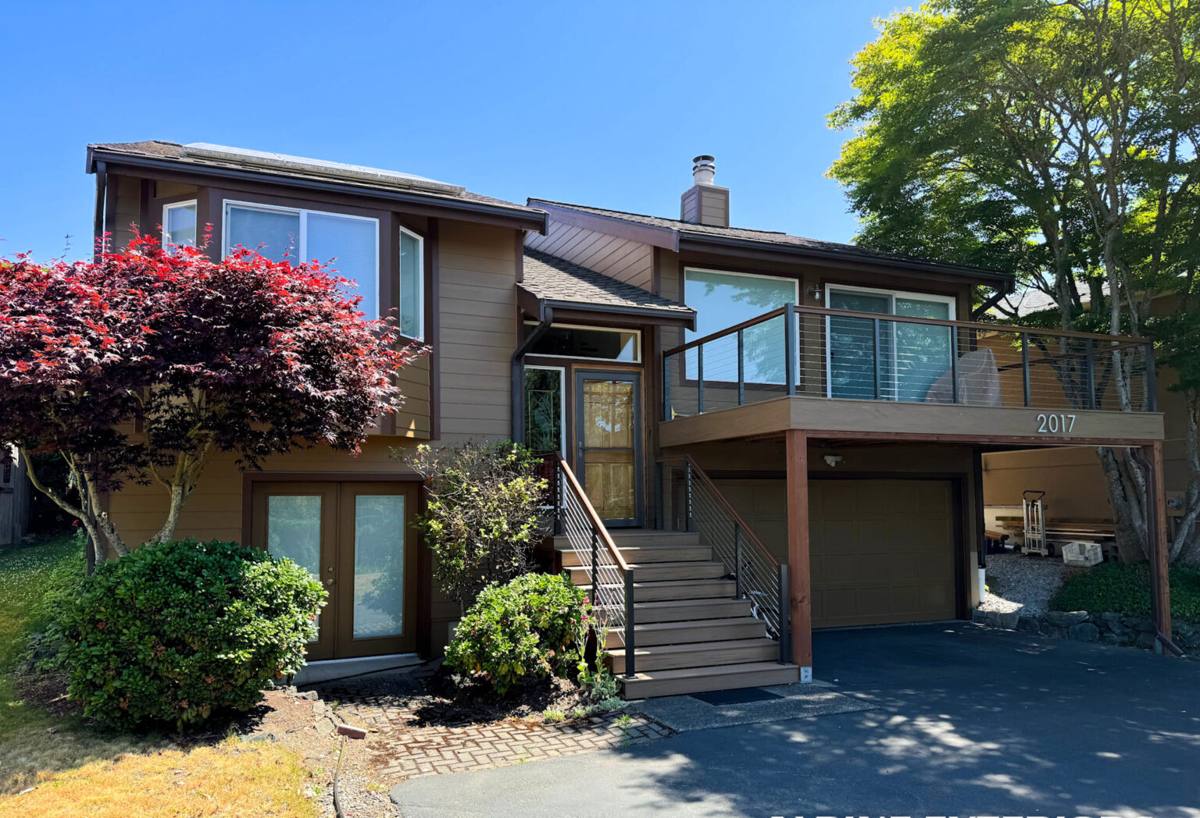
Maple Falls sits in the kind of Whatcom County setting where weather doesn't just pass through — it soaks in. Heavy tree cover, long stretches of overcast sky, driving rain off the marine air, and a moss season that seems to run longer every year all put steady pressure on the exterior of a home. Windows take more of that abuse than most homeowners realize, because a window isn't just glass — it's a hole cut into your wall that has to be sealed, flashed, and drained correctly or it becomes the weak point in an otherwise solid house.
We install and replace windows for homes in and around Lynden, including the Maple Falls area, and we treat this climate as the starting point for every decision — frame material, glazing, and especially installation detailing. A window that's rated fine on a spec sheet can still fail here in five years if it goes in without the right flashing and drainage plan. This page walks through what actually matters for a Maple Falls window project, from the ground up.
What Driving Rain and Moss Season Actually Do to a Window
The damage from Whatcom County's wet season rarely shows up as a dramatic leak on day one. It's slower and quieter than that.
Wind-Driven Rain
Rain that comes in sideways during a storm doesn't behave like a light drizzle. It gets pushed up and under trim, siding laps, and window flanges that would otherwise shed water just fine. If the flashing behind the window isn't lapped correctly — or isn't there at all — that water finds its way into the wall cavity instead of running back out.
Moss, Algae, and Shade
Heavy tree cover keeps a lot of Maple Falls properties shaded and slower to dry out after a storm than homes in more open areas. That constant dampness is exactly what moss and algae need to take hold on window sills, exterior trim, and the top edges of frames. Left alone, that growth holds moisture against the wood or composite longer, which accelerates rot and finish breakdown.
Condensation From the Inside
It's not just the outside. Homes tucked into tree cover often run cooler and more humid indoors, especially in winter. Older single-pane or poorly sealed windows become the coldest surface in the room, and that's where condensation collects — on the glass, in the frame corners, and eventually in the surrounding wall material if it's chronic.
Choosing a Frame Material That Fits This Environment
There's no single "best" window material for every home — it depends on your home's style, your budget, and how much upkeep you want to take on. Here's how the common options actually perform in a wet, wooded, low-sun climate like this one.
| Frame Material | Moisture & Rot Resistance | Maintenance | Typical Lifespan | Notes for Maple Falls |
|---|---|---|---|---|
| Vinyl | Good — won't rot, but seams and welds matter | Low | 20–30 years | Budget-friendly; verify heavier-gauge frames for wind exposure |
| Fiberglass | Very good — dimensionally stable in temperature swings | Low | 30–40+ years | Holds paint well if you want a custom color; strong option here |
| Wood (clad exterior) | Depends entirely on the cladding and installation | Moderate to high | 20–40 years with upkeep | Great look, but the exterior cladding and flashing must be flawless in constant moisture |
| Aluminum | Fair — prone to condensation without thermal breaks | Low | 20–30 years | Not our first recommendation for this climate unless thermally broken |
Our default recommendation for most Maple Falls homes is vinyl or fiberglass, simply because they don't give moisture a foothold the way exposed wood can. Wood-clad windows can absolutely work here, but we're honest with clients that they carry more long-term maintenance responsibility — the tradeoff is appearance and warmth of look, not performance.
Glass and Glazing: What's Actually Worth Paying For
In a marine climate like this, glazing decisions matter more for moisture control and comfort than for pure heat — Whatcom County doesn't see the extreme summer sun load that drives glazing choices in hotter regions.
- Double-pane, low-E glass: The reasonable baseline for this area. Cuts heat loss and reduces the cold-glass condensation problem common in shaded, humid homes.
- Triple-pane: Worth considering on north-facing rooms, bedrooms, or homes deep in tree shade that run consistently cool — the extra pane meaningfully cuts condensation risk, at added cost and weight.
- Argon or krypton gas fill: A modest, low-cost upgrade over standard double-pane that improves insulation without changing appearance.
- Warm-edge spacers: Matters more here than people think — a cold aluminum spacer at the glass edge is often where condensation starts first.
We size glazing to the room, not the whole house uniformly. A shaded bedroom under fir trees has different needs than a south-facing living room, and treating every opening the same is how homeowners overpay for glass upgrades where they don't help.
Installation Details That Decide Whether a Window Leaks
This is the part that matters most and gets skipped most often. The window itself is rarely the reason for a leak — the installation is.
Flashing Sequence
Water has to be directed to shed downward and outward, in the correct layered order: sill pan first, then side flashing, then the window itself, then the head flashing lapped over the top — each layer overlapping the one below it, never the reverse. Get that sequence backward and you've built a funnel instead of a barrier.
Sill Pan and Drainage Path
A proper sill pan under the window gives any water that does get past the exterior seal somewhere to go besides your wall framing. This is one of the most commonly skipped steps on retrofit jobs, and it's one of the cheapest details to do right the first time.
Sealant Is a Backup, Not the Plan
Caulk and sealant should be the last line of defense, not the only line. A window installed correctly will still perform if the sealant ages and cracks in ten years. A window that relies on sealant alone to stay dry is a leak waiting for the caulk to fail.
New Construction vs. Retrofit (Insert) Windows
Most Maple Falls projects fall into one of two categories, and they call for different approaches.
| Approach | What It Involves | Best Use Case |
|---|---|---|
| Full-frame (new construction) | Remove window and existing frame down to the rough opening; full flashing rebuild | Homes with existing moisture damage, rot, or a full siding project happening at the same time |
| Retrofit / insert | New window installed into the existing frame, which stays in place | Sound existing frames with no rot or flashing issues, faster and less invasive |
We won't default to the cheaper retrofit option if we find soft wood, staining, or old flashing failures once the trim comes off — that's a full-frame job whether or not it was quoted that way, and we'll walk you through exactly why before any extra work happens.
How We Approach a Maple Falls Window Project
- On-site assessment: We look at each opening individually — sun exposure, tree cover, existing flashing condition, and any signs of past moisture intrusion.
- Honest scope: You get a clear recommendation on retrofit vs. full-frame, and why, before we quote anything.
- Removal and inspection: Old windows come out carefully so we can check the sheathing and framing underneath for hidden rot before anything new goes in.
- Correct flashing and sill pan installation: Every opening gets a proper drainage path, not just caulk and hope.
- Window installation and air/water sealing: Set plumb, level, and square, then sealed per manufacturer specification.
- Interior and exterior trim finish: Matched to your home's existing style, or updated as part of the scope you approve.
- Final walkthrough: We check operation, seals, and cleanup with you before calling the job done.
Signs Your Current Windows Are Due for Replacement
- Visible moss, algae, or dark staining collecting on sills or lower trim
- Condensation or fogging between the panes (a sign the seal has failed)
- Soft or spongy wood around the frame or trim when pressed
- Windows that are noticeably harder to open, close, or lock than they used to be
- Cold drafts near the frame even when the window is fully closed
- Paint or finish peeling specifically around the window, not the rest of the wall
- Noticeably higher heating bills with no other explanation
Any one of these on its own isn't necessarily an emergency. Several of them together, especially moisture-related ones, are worth a proper look before they turn into a framing repair instead of a window swap.
Why Hiring a Crew That Already Works Maple Falls Matters
Window installation isn't exotic work, but doing it correctly in a climate this wet is unforgiving of shortcuts. A crew that mostly works drier inland regions can install a beautiful-looking window that still leaks in three years because the flashing sequence wasn't built for this level of driving rain and shade. We work throughout the Lynden area and understand what tree-covered, high-moisture properties like those around Maple Falls actually need — not as a special add-on, but as the baseline we install to on every job.
That local familiarity also means we're not guessing at what's under your existing trim. We've seen how flashing was typically detailed in different eras of construction common to this part of Whatcom County, which helps us anticipate issues before we're mid-project and surprised by them.
Get a Straightforward Estimate
If your windows around Maple Falls are showing their age, fogging up, or just never seem to seal out the weather the way they should, we're happy to take a look. We'll give you a straightforward assessment of what's actually going on and what it would take to fix it — no pressure, no upsell on work you don't need. Reach out using the form below for a free estimate.