 Lynden Exterior
 Decks Built for Acme's Damp, Shaded Conditions
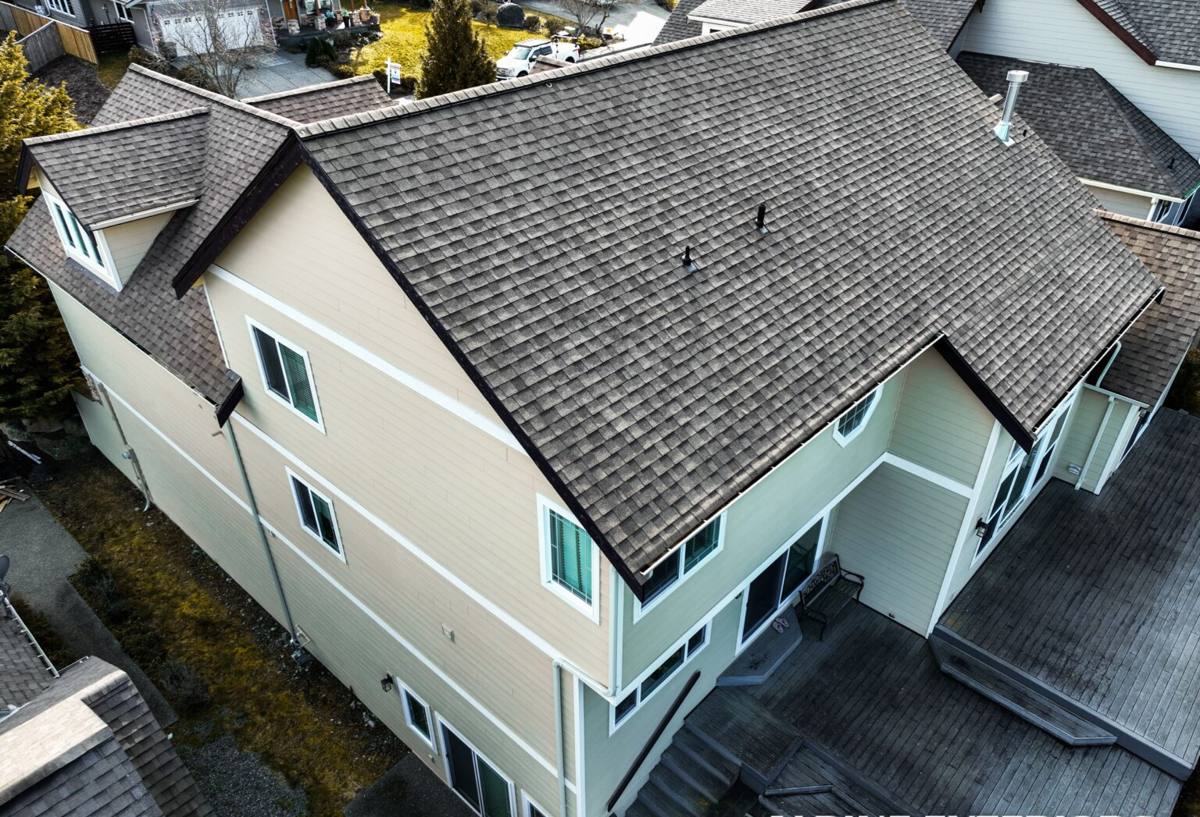
Acme sits in the wooded, low-lying stretch of Whatcom County outside Lynden, where tree cover runs heavier and the air holds more moisture than it does out on the open flats. A deck built here does a different job than a deck built on a sunny, exposed lot. It has to shed water that doesn't evaporate quickly, resist the moss and algae that thrive in shade, and handle wood movement from a climate that stays damp for a large part of the year. We've built and repaired decks all over this part of Whatcom County, and the difference between a deck that lasts and one that rots at the ledger board almost always comes down to decisions made before the first board goes down.
This page is specifically about building or replacing a deck for a home in the Acme area. If you're comparing materials, thinking about a rotted-out deck you already have, or just want to know what a correctly built deck looks like out here, this is written for that.
What the Local Climate Actually Does to a Deck
Moisture that doesn't leave
Whatcom County gets a lot of rain, but the bigger issue for a deck in a wooded setting like Acme is how slowly things dry out afterward. Overhanging trees and shaded yards mean a deck surface can stay damp for days after a storm, even when the sun eventually comes out. That extended damp period is exactly what wood-decay fungi and moss need to establish themselves.
Moss and algae season is long
In shaded parts of the county, moss isn't a once-a-year nuisance — it's closer to a year-round maintenance item, easing off only during the driest stretches of summer. On a deck, moss holds water against the board surface, stains it, and turns it slick and dangerous underfoot. Left alone, it works into board grain, fastener holes, and gaps between boards, accelerating rot from the inside out.
Driving rain and wind-blown moisture
Storms coming through this part of the Pacific Northwest often bring rain at an angle, not straight down. That matters for anything built against the house — ledger boards, stair stringers, and any structure tucked under an eave still gets wetted from the side. Flashing and gap details that would be optional in a drier climate are not optional here.
Choosing Decking Material for an Acme Property
There's no single right material for every home — it depends on how much shade the deck sits in, your maintenance tolerance, and budget. Here's how the common options actually perform in a wet, shaded Whatcom County setting.
| Material | Moisture/Moss Behavior | Maintenance | Typical Lifespan |
|---|---|---|---|
| Pressure-treated wood | Absorbs moisture readily; moss and mildew take hold quickly in shade without upkeep | Annual cleaning and re-sealing recommended | 10-15 years with upkeep, less if neglected |
| Cedar | Naturally rot-resistant heartwood, but sapwood boards still need protection; grays and can host moss if left unsealed | Periodic cleaning, oil or stain every few years | 15-20 years with regular care |
| Capped composite | Shrugs off moisture and doesn't feed rot; can still develop surface algae film in deep shade like any hard surface | Occasional washing, no sealing or staining | 25-30 year warranty ranges, varies by brand |
| PVC decking | Fully synthetic, essentially immune to moisture damage; algae film is a cosmetic issue only, cleans off easily | Lowest — soap and water as needed | Comparable to or longer than capped composite |
For a deck sitting under mature trees or in a mostly shaded yard, the extra upfront cost of a capped composite or PVC board is usually worth it, because the wood options simply demand more attention to stay ahead of moss in that setting. For a sunnier, more open lot, a well-built cedar or treated-wood deck can still make sense, especially if you're comfortable with the periodic maintenance.
Framing and Structure: Where the Real Failures Start
The ledger board connection
Most deck failures we see start where the deck attaches to the house, not out at the railing or the surface boards. If the ledger flashing isn't installed correctly, water gets behind it and works into the house's rim joist, which is a much more expensive repair than the deck itself. We install proper flashing and maintain a gap between the ledger and the siding so water has somewhere to go instead of sitting against the wall.
Footings and post bases
Ground contact in a consistently damp climate is unforgiving on wood posts set directly in soil or concrete. We use post bases that keep the post end elevated above grade and water, rather than embedding wood where it will sit wet for months at a stretch.
Joist protection
Joist tops take a beating from water running off the decking above. Joist tape or a comparable flashing over the top of each joist keeps water from soaking into the end grain and fastener holes, which is one of the more common places we find hidden rot on decks that otherwise look fine from above.
Hardware, Fasteners, and Railings for a Wet Climate
Standard hardware corrodes faster in a persistently damp environment, and corroded fasteners are a safety issue, not just a cosmetic one. We use fasteners and connectors rated for the treated lumber and moisture exposure involved, and we pay attention to metal compatibility so dissimilar metals aren't accelerating corrosion against each other. Railing posts get the same attention as the main structure — a railing that's loose at the base is almost always a sign of water intrusion at that connection point, not a hardware failure on its own.
How We Approach a Deck Project in Acme
- On-site visit. We look at sun and shade exposure, existing drainage, tree cover, and how the deck will tie into the house before recommending materials.
- Honest material conversation. We'll tell you where a lower-cost material will genuinely hold up on your lot and where it won't, based on shade and exposure — not just upsell toward the most expensive option.
- Permitting and structural design. Decks tied to the house and elevated structures typically require permitting; we handle that so the finished deck is built to code, not just to look finished.
- Framing built for moisture, not just load. Flashing, gapping, and post bases are treated as standard, not upgrades.
- Final walkthrough. We go over drainage, any maintenance your chosen material needs, and what to watch for as the seasons change.
Keeping a New Deck Looking Good Through Whatcom County Winters
Whatever material you choose, a few habits make a real difference in a climate like this one:
- Sweep leaves and needles off the deck regularly in fall — trapped organic debris holds moisture and feeds moss growth directly on the board surface.
- Keep gutters and downspouts near the deck clear so runoff isn't dumping directly onto or under the structure.
- Trim back overhanging branches where practical to let more light and airflow reach the deck surface.
- Wash the deck surface at least once a year to remove early moss and algae before it gets established in the grain.
- For wood decking, re-seal or re-stain on the schedule the product calls for — skipping a cycle in this climate lets moisture in fast.
- Check railing posts and stair stringers annually for any looseness, which can signal water getting into a connection point.
Why a Crew That Already Works This Area Matters
A deck built to a generic spec sheet without accounting for shade, drainage, and Whatcom County's rain patterns is a deck that's going to need premature repairs. We've built and repaired decks throughout the Lynden and Acme area long enough to know which lots dry out fast and which ones stay damp under tree cover most of the year, and we build accordingly — flashing details, material choice, and footing depth all get adjusted for the actual site, not a one-size-fits-all approach. That local pattern recognition is the difference between a deck that needs attention every year and one that just quietly holds up.
Get a Straight Answer for Your Property
Every lot in the Acme area handles moisture a little differently depending on tree cover, sun exposure, and how the yard drains. If you're planning a new deck or replacing one that's showing its age, we're happy to come take a look and give you a straightforward, no-pressure estimate along with an honest read on which materials make sense for your specific spot. Use the form below to get started.