 Lynden Exterior
 Nooksack Homes Face a Specific Kind of Weather Wear
Houses in and around Nooksack take a steady beating from weather that never quite lets up. Driving rain off the Salish Sea pushes moisture sideways into wall assemblies, not just down onto roofs. Salt-tinged marine air corrodes fasteners and finishes faster than drier inland climates. And Whatcom County's long, gray moss season means anything shaded by trees or facing north stays damp for months at a time. Siding here isn't decorative — it's the primary barrier keeping that moisture out of the wall cavity, and it has to work every single day of the year.
When siding fails in this climate, it rarely fails all at once. It fails at the seams first — at butt joints, around window trim, behind gutters that overflow in a downpour. A replacement job that doesn't address those details will look fine for a season or two and then start showing the same problems the old siding had.
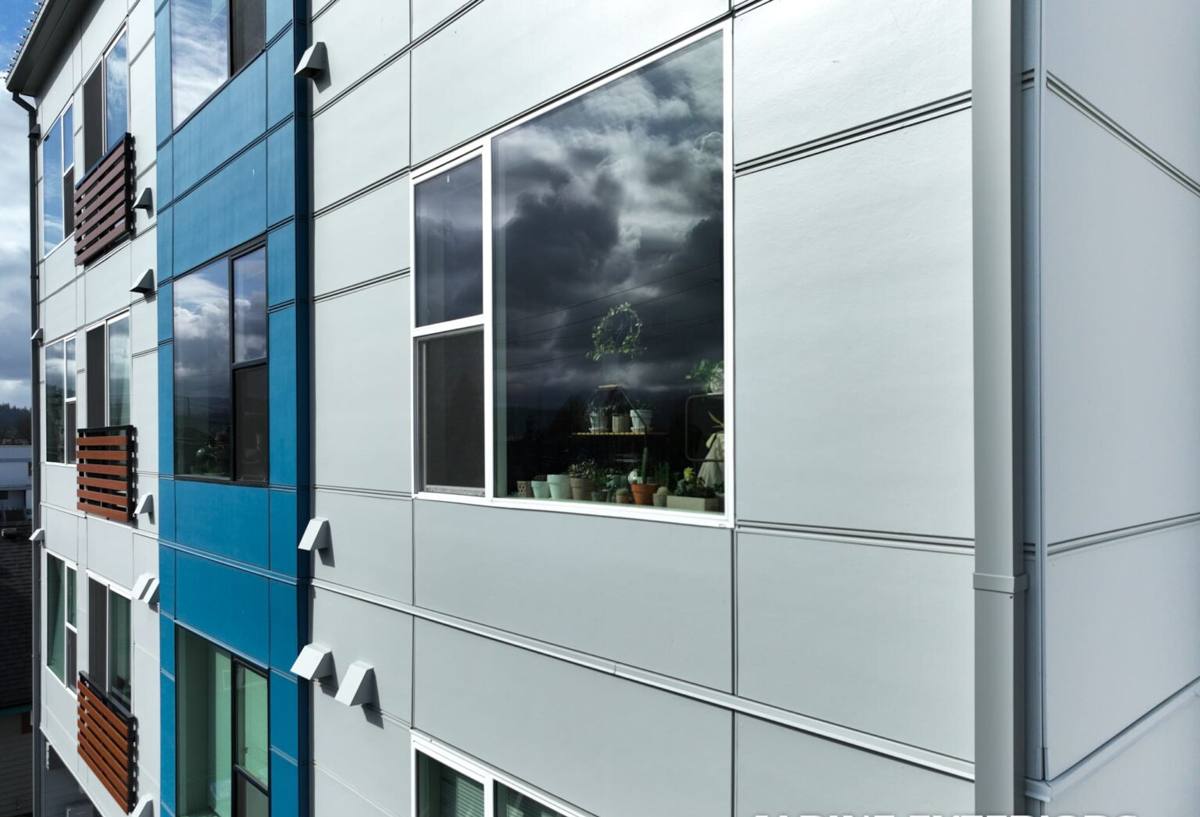
Signs a Nooksack Home Needs Siding Replaced, Not Patched
Homeowners often ask whether a section can just be repaired instead of a full replacement. Sometimes it can. But certain signs point to a siding system that's past the point of spot repair:
- Soft or spongy spots when you press on the siding, especially near the bottom courses
- Paint that keeps failing within a year or two of repainting, even with quality paint
- Persistent moss or algae staining that comes back within weeks of cleaning
- Visible cupping, warping, or delamination in wood-based or engineered wood panels
- Gaps opening up at butt joints, corners, or trim boards
- Interior signs — musty smell, peeling paint, or soft drywall near exterior walls
- Siding that's original to a home built before the mid-2000s and has never been replaced
Any one of these can be an isolated issue. Several of them together usually mean the underlying weather-resistive barrier has been compromised, and a full tear-off is the honest answer rather than another round of caulk and paint.
What a Correct Siding Replacement Actually Involves
Tear-Off and Inspection
The old siding comes off down to the sheathing, and that's the point where the real inspection happens. We're looking at the sheathing itself for rot or delamination, checking window and door flashing, and looking for any signs of past water intrusion that the old siding was hiding. Skipping this step is the single most common shortcut that leads to problems five or ten years down the road — new siding installed over a compromised wall assembly just buys a little time before the same damage reappears.
Weather-Resistive Barrier and Flashing
Given how much wind-driven rain this area sees, the housewrap and flashing details matter as much as the siding itself. Every window, door, and penetration gets flashed so water is directed out and down, never trapped behind the cladding. Seams in the weather barrier get properly lapped and taped. This is the layer that does the real waterproofing work — the siding sheds the bulk of the water, but the barrier behind it handles what gets through.
Installation to Manufacturer Spec
Fiber cement siding has specific fastening patterns, clearances, and gapping requirements that vary by climate zone. In a wet marine climate, proper clearance from grade, decks, and roof lines is non-negotiable — it's what keeps splashback and standing moisture away from the bottom edge of the siding, which is where failure almost always starts first.
Trim, Caulking, and Finish Details
The last coat of caulk isn't cosmetic — it's the difference between a joint that sheds water and one that wicks it into the wall. We use exterior-grade sealants rated for the movement and moisture cycling this climate puts them through, and finish details are matched so the whole elevation reads as one clean, consistent job rather than a patchwork.
Why This Company Installs Only James Hardie Fiber Cement
We made a deliberate decision not to install vinyl, LP SmartSide, cedar, primed spruce, Cemplank, or Allura. Every one of those products has legitimate uses somewhere, but none of them holds up the way we want a Nooksack-area home to hold up over 20 or 30 years without the homeowner fighting the same maintenance battle on repeat.
Fiber cement is non-combustible, doesn't swell or rot when it takes on moisture the way wood-based products can, and doesn't get brittle or fade the way vinyl does under years of UV and temperature swings. James Hardie's ColorPlus factory finish is baked on under controlled conditions, which gives more consistent, longer-lasting color than field-painted siding — a real advantage in a climate where repainting is expensive and disruptive. Hardie also engineers specific product lines (HZ5 and HZ10) for different climate zones, so the product itself is matched to moisture exposure rather than being a one-size-fits-all option. That's the whole reason we standardized on one manufacturer instead of offering a menu of products with different trade-offs.
Comparing Siding Options for This Climate
| Material | Moisture Behavior | Maintenance Burden | Typical Lifespan Here |
|---|---|---|---|
| James Hardie Fiber Cement | Does not rot, swell, or support fungal growth | Occasional wash; factory finish resists fading | 30+ years with correct install |
| Vinyl | Sheds water but can warp or buckle with heat and age | Low, but cracks/fades over time and can't be repainted easily | 15-25 years |
| LP SmartSide / Engineered Wood | Vulnerable at cut edges and joints if sealing fails | Requires vigilant caulk and paint maintenance | 15-25 years, shorter with moisture exposure |
| Cedar | Absorbs moisture, prone to cupping and rot without upkeep | High — regular staining/sealing required | Varies widely with maintenance |
These are general tendencies, not guarantees — installation quality affects every material on this list more than the brand name does. But in a climate that delivers this much sustained moisture, the products that don't absorb or swell hold their shape and finish longer with less homeowner intervention.
Our Process, Start to Finish
1. On-Site Assessment
We walk the exterior with you, look at problem areas you've already noticed, and check for issues you might not have — trim rot, flashing gaps, moss buildup in shaded corners. You get a straight answer on whether it's a repair or a full replacement situation.
2. Detailed Estimate
The estimate spells out material, prep work, and any sheathing repair anticipated, so there are no surprise change orders once tear-off starts.
3. Tear-Off and Prep
Old siding and any compromised sheathing or barrier material comes off, and the wall gets inspected before anything new goes on.
4. Installation
Weather barrier, flashing, and James Hardie siding go on to manufacturer spec, with attention to the clearances and fastening details this climate demands.
5. Final Walkthrough
We walk the finished job with you, check every elevation, and make sure trim and caulk lines are clean before calling it done.
What Drives Cost on a Job Like This
Every home is different, but the same handful of factors move the price up or down on most Nooksack-area siding jobs:
- Square footage and number of stories being sided
- Condition of the sheathing underneath — hidden rot adds repair time and material
- Amount of trim, window, and corner detail work involved
- Whether the home has multiple siding transitions (stone, stucco accents, etc.) that need matching
- Access — steep roof lines, tight side yards, or landscaping that complicates staging
- Color and profile selection within the James Hardie lineup
We give a firm, itemized number after the on-site assessment rather than a rough phone estimate, because the sheathing condition alone can shift the scope significantly once the old siding is off.
Why a Crew That Already Works Nooksack Matters
A contractor who works this part of Whatcom County regularly has already seen how the local weather pattern treats different siding installations over time — which details hold up and which ones don't. That experience shows up in small decisions: how much clearance to leave at grade, how to detail a window in a wall that takes rain at an angle most of the winter, which corners of a house need extra attention because they face the prevailing weather. It's the difference between a crew following a generic install manual and one that's adapted that manual to what actually works here.
If your siding is showing wear, or you're just planning ahead before it becomes an emergency, we're happy to take a look. The estimate is free, there's no pressure, and you'll get a straight answer about whether you're looking at a repair or a full replacement — use the form below to get started.