 Lynden Exterior
 Why Maple Falls Homes Need a Different Approach to Windows
Maple Falls sits in a part of Whatcom County where the weather doesn't do anything halfway. Winters bring long stretches of driving rain, humidity stays high for much of the year, and moss finds a foothold on anything that stays damp long enough — siding, roofs, and yes, window frames and sills. A window that performs fine in a drier climate can struggle here, and the struggle usually shows up as fogged glass, soft trim, or a heating bill that never quite makes sense.
When we talk about "energy-efficient windows" for this area, we're not just talking about a good U-factor on a spec sheet. We're talking about a window and installation that can handle sustained moisture exposure without losing its seal, without letting moss and algae get a grip on exterior surfaces, and without quietly leaking conditioned air out of a house for years before anyone notices.
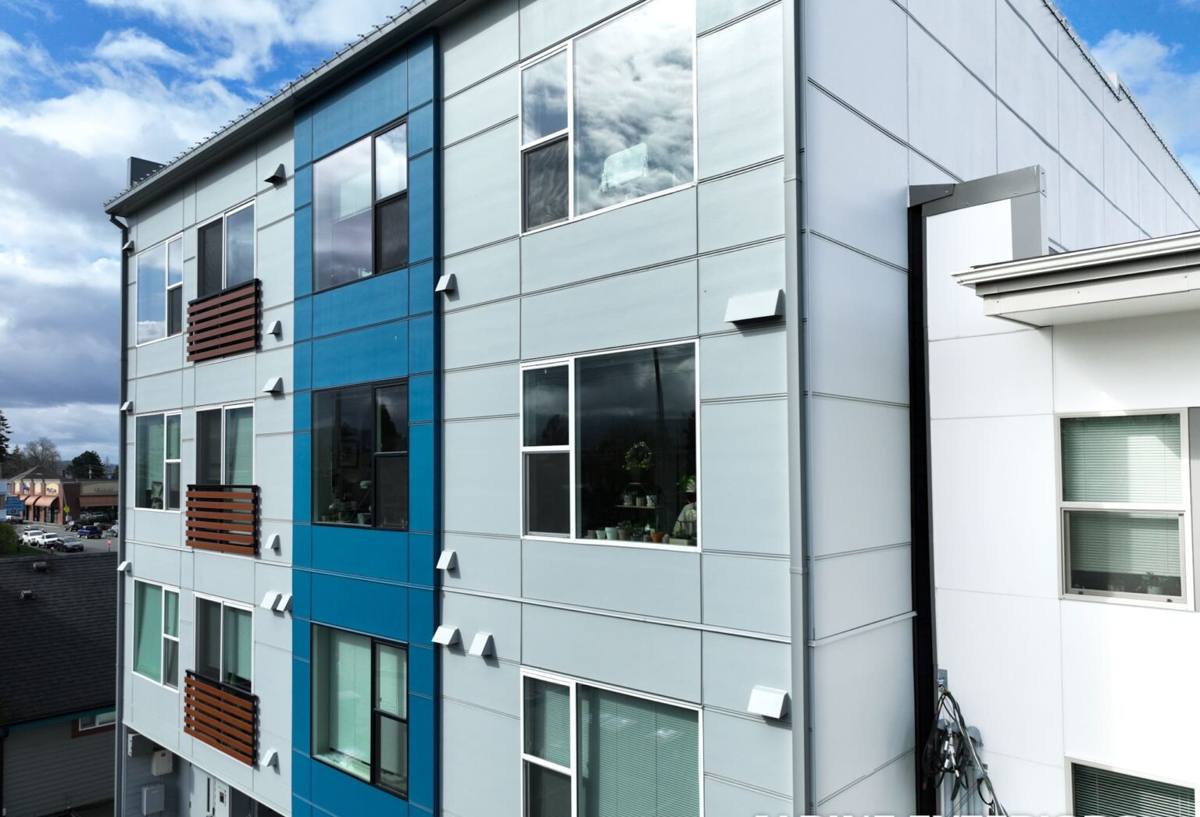
What the Local Climate Actually Does to a Window
It helps to be specific about the failure modes we see, because they're not hypothetical — they're the reason certain products and details matter more here than in a drier climate.
Driving Rain and Wind-Driven Moisture
Storms in this part of Whatcom County don't just drop rain — they push it sideways into walls and window openings. A window that's watertight in a light shower can still take on moisture during a wind-driven storm if the flashing, sill pan, and sealant details weren't done correctly. Once water gets behind a window unit, it doesn't dry out quickly in our climate — it sits, and it does damage from the inside where you can't see it.
Extended Damp Season and Moss
Whatcom County's long stretch of overcast, wet weather is exactly the environment moss and algae need. On windows, that growth tends to collect at the bottom of frames, in track channels, and anywhere water pools instead of draining. Beyond looking bad, trapped organic growth holds moisture against the frame material, which accelerates rot in wood components and can degrade some vinyl and composite finishes over time.
Marine-Influenced Air
The moisture-laden air that moves through this region carries more than just water vapor — it also means metal components (hinges, cranks, hardware) are exposed to conditions that promote corrosion faster than in a dry inland climate. Hardware quality and finish matter more here than a homeowner might expect.
What "Energy-Efficient" Should Mean Here
Energy efficiency and moisture resistance aren't separate issues in this climate — they're connected. A window that's failing its seal is also a window that's leaking conditioned air. The table below breaks down the main factors we weigh when specifying windows for Maple Falls homes.
| Factor | Why It Matters Here | What We Look For |
|---|---|---|
| Frame Material | Must resist prolonged moisture and temperature swings without warping or rotting | Vinyl or fiberglass frames with solid weld/seam quality; wood only with proper cladding |
| Glass Package | Reduces heat loss through our long heating season and cuts down on interior condensation | Dual or triple pane with low-E coating and argon fill |
| Weatherstripping & Seals | First line of defense against wind-driven rain intrusion | Compression seals rated for high-moisture climates, properly compressed on install |
| Drainage Design | Prevents water from pooling in tracks where moss and rot start | Weep holes clear and functional, sill pans sloped correctly |
| Hardware Finish | Resists corrosion from persistent damp air | Corrosion-resistant coatings on cranks, locks, and hinges |
None of these factors work in isolation. A great glass package installed with a poor sill detail will still let water in. A durable frame with weak weatherstripping will still leak air. Getting the efficiency numbers you're paying for means getting all of it right at once.
What a Correct Installation Involves
Most window performance problems we get called out to fix aren't about the window unit itself — they're about how it was installed. In a climate like ours, installation details carry more weight than they would somewhere drier.
Sill and Flashing Work
Before a new window goes in, the opening needs a properly sloped sill pan and correctly lapped flashing so any water that does reach the opening is directed back out, not into the wall cavity. This is the step that gets skipped or rushed on a bad job, and it's the one that causes the most expensive damage down the road.
Air Sealing Around the Frame
Foam or sealant around the perimeter of the frame needs to be continuous, with no gaps, to stop both air leakage and moisture intrusion. This is also where a lot of the "efficiency" homeowners are paying for actually gets delivered — a great window in a poorly sealed opening will still cost you on your heating bill.
Interior and Exterior Trim
Trim needs to be sealed and finished in a way that sheds water away from the frame rather than trapping it against the house. On the exterior especially, this detail affects how quickly moss and algae take hold.
Our Process, Start to Finish
- On-site assessment — we look at existing window condition, sill and frame moisture damage, and how each opening is exposed to prevailing wind and rain direction.
- Product recommendation — we walk through frame material, glass package, and hardware options suited to the specific exposure of your home, not a one-size-fits-all package.
- Written estimate — clear scope, product specs, and timeline before any work starts.
- Removal and prep — old units removed carefully, opening inspected and repaired if there's hidden rot or water damage before the new window goes in.
- Installation — sill pan, flashing, air sealing, and hardware set to manufacturer spec and adjusted for our climate conditions.
- Final walkthrough — we check operation, seals, and finish work with you before calling the job done.
Signs Your Current Windows Are Working Against You
Homeowners in Maple Falls often live with window problems for years simply because they develop slowly. Here's what to check for:
- Condensation forming between panes (a sign the seal has failed on a double- or triple-pane unit)
- Visible moss, algae, or dark staining at the bottom of the frame or sill
- Soft or spongy wood trim around the window opening
- Drafts you can feel near the frame on a windy day
- Windows that stick, won't latch fully, or have become hard to operate
- Noticeably higher heating costs compared to similar-sized homes nearby
- Rattling or whistling during storms with driving wind
Any one of these on its own might not mean much. Several together usually mean the windows are past the point where efficiency numbers are being delivered as advertised.
Why Local Installation Experience Matters
Window products are largely the same whether they're installed in Maple Falls or somewhere with a completely different climate. What isn't the same is the judgment call on flashing details, sill slope, and sealant choice that a crew makes on-site — and that judgment comes from having installed windows in this specific weather pattern repeatedly, not from a general installation manual.
A crew that regularly works in Whatcom County knows which details can't be shortcut here: the sill pan slope that matters more with our rain volume, the sealant that holds up through a full damp season, the drainage path that keeps moss from getting a foothold in the first place. That experience shows up in fewer callbacks and windows that actually perform the way they're rated to.
Maintenance That Protects Your Investment
Even a well-installed, high-quality window benefits from basic upkeep in this climate:
- Clear weep holes and tracks of debris and moss growth once or twice a year
- Rinse frames and glass periodically to prevent algae buildup, especially on shaded elevations
- Check exterior caulking annually and have gaps resealed before the wet season sets in
- Operate hardware periodically so cranks, locks, and hinges don't seize from disuse
None of this requires a professional visit every time — but catching a small sealant gap before the rainy season is far cheaper than repairing water damage after.
Get a Straight Answer About Your Windows
If you're not sure whether your current windows are actually performing, or you're weighing options for a Maple Falls home, we're happy to take a look and give you an honest read on what's going on — no pressure, no upsell. Fill out the form below and we'll set up a time to come out and talk through what your home actually needs.