 Lynden Exterior
 What Everson's Climate Does to Exterior Siding
Everson sits in the Nooksack River valley, low and often shaded, in a part of Whatcom County that stays wet for a large share of the year. Driving rain comes through regularly off the marine air moving in from the Strait of Georgia and Puget Sound, carrying a fine load of salt that settles on every exterior surface in the region. Combine that with tree cover along the river bottoms and you get long stretches where siding simply does not dry out between storms. Moss doesn't need much encouragement here — shaded north walls, gutters that back up in November, and mild winters all add up to a moss season that can run eight months or longer in a bad year.
None of that is exotic weather. It's normal for this part of the state. But it is hard on siding that wasn't built or installed with it in mind. Moisture that gets behind a panel and can't escape will eventually find the sheathing. Salt air accelerates corrosion on fasteners and trim hardware that aren't rated for it. And moss sitting against a wall holds water in direct contact with the siding surface for days at a time, which is a different and slower kind of damage than a single hard rain.
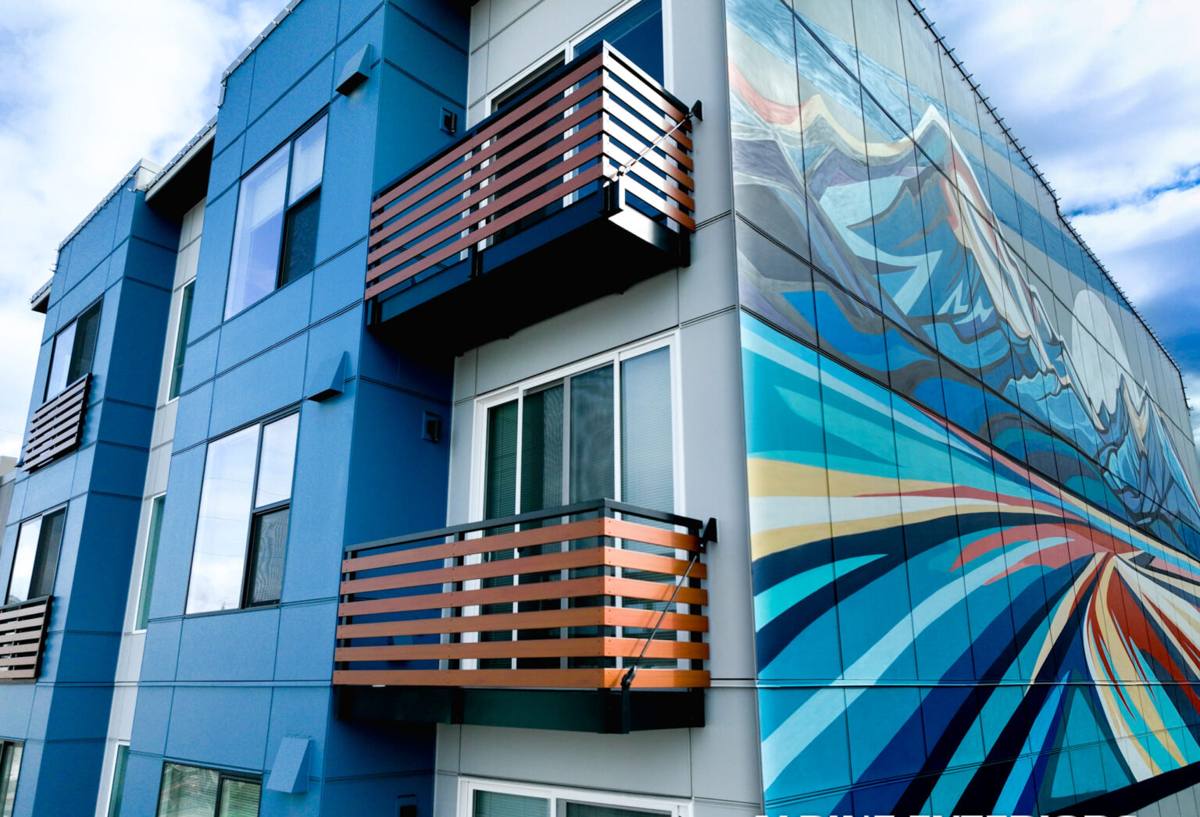
Why Fiber Cement Holds Up Where Other Materials Struggle
Fiber cement is a mix of Portland cement, sand, and cellulose fiber, pressed and cured into a dense, dimensionally stable board. It doesn't swell and shrink with moisture the way wood does, it won't rot from the inside out, and it isn't a food source for the insects that go after untreated or under-protected wood siding. It's also non-combustible, which matters more every year as dry-season wildfire smoke drifts into western Washington even in a generally wet climate.
None of that means fiber cement is maintenance-free or installer-proof. It performs exactly as well as the water-management details behind it and the fastening it receives. A good product installed wrong will still trap moisture and fail early. That's the part of the job that actually determines how a house holds up in Everson's climate over the next twenty or thirty years.
The Moss and Salt Air Factor Specifically
Moss itself doesn't attack fiber cement the way it can degrade some wood or asphalt products, but a mat of moss against any siding material holds moisture in constant contact with the surface and the fasteners underneath it. Salt-laden air is harder on metal than on the cement board itself — cheap or mismatched fasteners, flashing, and trim hardware corrode faster here than they would twenty miles inland. Correct installation accounts for both: fastener selection that's rated for coastal-influenced climates, and enough of a gap between the siding and the wall assembly that moisture has somewhere to go instead of sitting.
What a Correct Fiber Cement Installation Actually Involves
James Hardie makes climate-specific versions of its siding, and the HZ5 formulation is engineered for wetter, more moisture-exposed regions like ours. Choosing the right product line is step one, but it's a small piece of what actually keeps a house dry. The bigger factors are the details most homeowners never see once the siding is up:
- A weather-resistant barrier installed correctly, with proper overlaps, behind the entire wall assembly
- A drainage gap (a rainscreen) between the siding and the wall so any moisture that does get behind the panels can drain and dry instead of sitting against the sheathing
- Flashing at every window, door, and penetration — not just caulk standing in for flashing
- Correct ground clearance so splash-back and standing water at the base of the wall don't wick into the bottom courses
- Fastening driven to the manufacturer's spec — not overdriven, which cracks the board and voids the point of using fiber cement in the first place
- Cut edges sealed and touched up, since the factory ColorPlus finish only protects the finish that's applied at the factory
Common Installation Mistakes We See on Older Jobs
When we're called to look at a home with premature siding failure in this area, the material is rarely the actual problem. It's almost always one of the details above being skipped or done in a hurry: no drainage gap, nails driven flush or below the surface, caulk used in place of flashing at a window head, or bare cut ends left exposed at corners and butt joints. Every one of those is invisible from the street the day the job finishes and becomes obvious three to five wet seasons later.
Our Installation Process for Everson Homes
- Inspection first. We check the existing sheathing condition, look for moisture intrusion and moss buildup patterns, and evaluate current flashing before we quote anything.
- Full tear-off and prep. Old siding and trim come off, any soft or damaged sheathing gets replaced, and we don't cover over a problem with new siding.
- Correct water management layer. A properly lapped weather-resistant barrier and integrated flashing go in at every window, door, and penetration before any siding is hung.
- Drainage gap installed. A rainscreen system creates the air and drainage space behind the panels that this climate needs.
- Siding installed to Hardie's fastening and clearance specifications for the HZ5 climate zone, with corners, trim, and butt joints detailed to shed water rather than collect it.
- Finish and seal. Cut edges get sealed, caulking is used only where it belongs — not as a substitute for flashing — and the factory ColorPlus finish is left to do the job it's designed for.
- Walk-through and cleanup. We go over the finished work with you, register the manufacturer's warranty, and clean the site.
How Fiber Cement Compares in This Climate
| Factor | Fiber Cement (James Hardie) | Vinyl | Wood / Cedar |
|---|---|---|---|
| Moisture absorption | Very low; dimensionally stable | Doesn't absorb, but can trap moisture behind it | Absorbs and swells, prone to rot without upkeep |
| Moss/algae resistance | Good, especially with proper drainage detailing | Moss sheds off easily but panels can warp over time | Moss holds moisture directly against the wood |
| Salt air durability | Strong; hardware selection matters most | Can become brittle over years of sun and salt exposure | Finish breaks down faster; needs frequent recoating |
| Fire resistance | Non-combustible | Melts/deforms under heat | Combustible |
| Ongoing maintenance | Repaint on a long cycle; otherwise low | Low, but limited repair options when damaged | Frequent recoating and moisture monitoring |
Every material on that list has a legitimate use case somewhere. In Everson's specific mix of rain, shade, and salt-laden air, fiber cement installed correctly gives the best balance of durability and manageable upkeep — which is why it's the only siding product we install.
James Hardie Product Lines and Colors for This Area
For most Everson homes we're working with HardiePlank lap siding in the HZ5 formulation, sometimes paired with HardiePanel for vertical accents or HardieTrim for corners and fascia. The ColorPlus factory finish is baked on under controlled conditions rather than field-applied, which gives more even coverage and better long-term color retention than a job-site paint job — an advantage in a climate where a wall can go weeks without a fully dry day to paint on. Hardie backs its siding with a long-term, transferable manufacturer's warranty, with the ColorPlus finish carrying its own separate coverage. Color selection matters here too: lighter, low-sheen finishes tend to show less staining between cleanings on shaded, moss-prone elevations than very dark colors do.
Why a Crew That Already Works Everson and Lynden Matters
A lot of what separates a siding job that lasts from one that doesn't comes down to judgment calls made on site — how much drainage gap a particular wall assembly needs, where an old flashing detail needs to be corrected rather than just covered, how a shaded, moss-prone north wall should be detailed differently than a wall that gets full sun. A crew that works Whatcom County regularly has already seen how homes in this specific valley behave through a wet winter and a mossy spring, and knows the difference between a cosmetic issue and one that's going to cause damage in three years. That local familiarity also means faster response if a warranty question comes up down the road, and a contractor who's still around and reachable, not a crew that worked the area for one season and moved on.
Keeping Fiber Cement Siding Performing Once It's Installed
Correct installation does most of the work, but a little seasonal attention keeps a fiber cement exterior looking and performing the way it should for decades:
- Keep gutters and downspouts clear so overflow doesn't run down the wall face
- Trim back vegetation and tree branches that shade walls and slow drying
- Rinse moss and algae buildup with a soft wash rather than a close-range pressure washer, which can force water behind panels or damage the finish
- Check caulking at trim and penetrations annually, since caulk is a maintenance item even when everything else is installed correctly
- Walk the exterior after major windstorms to check for loose trim, damaged corners, or debris caught behind the siding
If you're planning a siding project in Everson or anywhere else in the Lynden area, we're happy to take a look at what you have now and talk through what a correct fiber cement installation would involve for your specific house. There's no cost and no pressure to a walkthrough and estimate — just fill out the form below and we'll get in touch.