 Lynden Exterior
 Windows Built for the Nooksack Valley
Nooksack sits along the river valley east of Lynden, close enough to Bellingham Bay and the Strait of Georgia that the marine air still reaches inland on a west wind, and far enough into farm country that homes take the full brunt of open-field weather with little windbreak. That combination is hard on windows. Moisture-laden air moves through the valley for months at a time, driving rain comes in sideways during fall and winter storms, and anything shaded or north-facing grows moss and algae faster than most homeowners expect. Window frames, sills, and the caulk lines around them are usually the first place that shows it.
We work on homes throughout the Lynden and Nooksack area regularly, from older farmhouses on acreage to newer construction closer to town. The window problems we see are consistent enough that we've built our process around this specific climate, not a generic install method pulled from a manufacturer's manual.
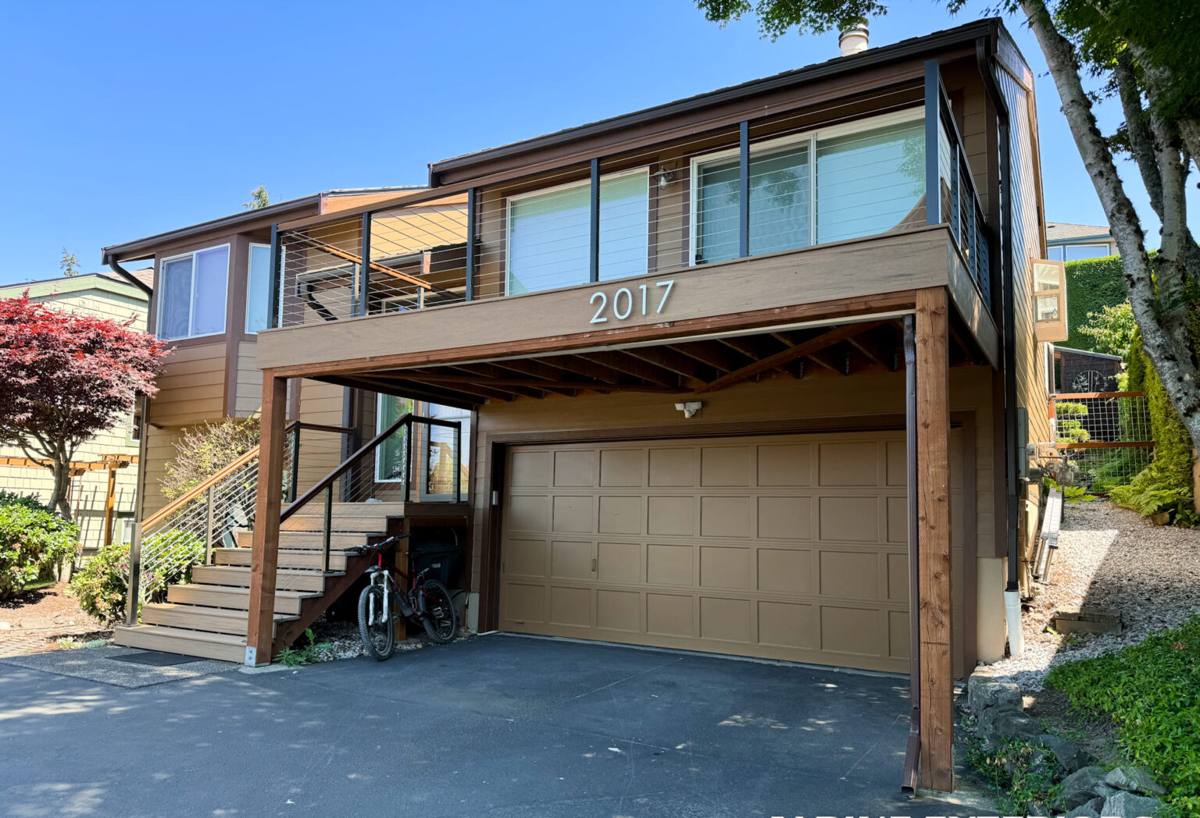
What "Custom" Actually Means Here
A lot of window companies use "custom" loosely. For us it means two specific things:
- Custom-sized units — many Nooksack-area homes, especially farmhouses and older construction built before standardized window sizing became common, have openings that don't match today's stock sizes. Custom manufacturing means the window is built to fit the actual rough opening instead of forcing the opening to fit a stock window.
- Custom specification — glass package, frame material, and hardware chosen for the specific wall, exposure, and use of that room, not a single default spec used on every job.
Both matter more in a climate like this than they would somewhere dry. A window that's slightly undersized and shimmed with excess foam, or a stock unit forced into an odd opening, is exactly the kind of installation that leaks in year three or four once the sealant starts to fail.
When Custom Sizing Is Actually Necessary
Not every job needs a fully custom-built window — plenty of openings are close enough to standard sizes that a quality stock unit is the right call, and we'll tell you when that's true. Custom sizing earns its cost when:
- The home predates modern window standardization (common in older Nooksack and Lynden farmhouses)
- A previous remodel altered the rough opening
- You're changing the window shape or configuration, not just replacing like-for-like
- The opening has settled or shifted slightly out of square, which happens on older foundations
Where Windows Fail First in This Climate
Old Wood Sashes and Sills
Original wood windows on older homes in this area often have decades of paint holding them together at this point. The wood itself may still be sound, but sills and lower rail joints take the worst of the driving rain and are usually where rot starts. We check these carefully before recommending full replacement — sometimes sash repair and better weatherstripping is the honest answer, sometimes the window has passed that point.
Failed Seals and Fogging Glass
Insulated glass units have a sealed gas-filled space between panes. Once that seal fails, moisture gets in and the glass fogs permanently between the panes. This shows up faster on windows facing prevailing weather, and we see a lot of it on older double-pane units installed in the 90s and early 2000s that are simply reaching the end of their seal life.
Moss and Algae at the Frame
Vinyl and wood frames on shaded, north- or west-facing walls collect moss and algae buildup in the corners and along the bottom rail. It's mostly cosmetic on vinyl, but on wood-framed windows it holds moisture against the finish and accelerates rot if it's never cleaned off.
Condensation on the Inside
Interior condensation and eventual mold at the bottom corners of a window is usually a sign of a poor thermal break in the frame, single-pane glass, or a home with tight, well-sealed walls but a window that's still letting cold transfer through — a mismatch we see more as homes get better insulated but keep their original windows.
Frame and Glass Options
| Material | How It Holds Up Here | Maintenance |
|---|---|---|
| Vinyl | Good moisture resistance, won't rot; performs well in this climate for most homes | Low — occasional cleaning of frame corners where moss collects |
| Fiberglass | Very stable in temperature swings, strong moisture resistance, holds paint well if color changes are wanted later | Low |
| Wood-clad (wood interior, clad exterior) | Exterior clad face resists weather well; interior wood needs a sound seal to avoid moisture reaching the wood core | Moderate — seal integrity should be checked periodically |
| Solid wood | Best for historic accuracy on older farmhouses; most vulnerable to driving rain and needs disciplined upkeep | High — repainting and sealant checks every few years |
We don't push one material on every job. A solid-wood window on a historic farmhouse can be the right call if the owner wants to keep the original character and is willing to maintain it. On a rental, a rear addition, or a home where low maintenance matters more than period accuracy, vinyl or fiberglass is usually the more honest recommendation.
Glazing for Wet, Overcast Conditions
Whatcom County doesn't need the extreme cold-climate glass packages you'd spec in the mountains, but it does benefit from glazing chosen for a lot of grey days and sustained dampness rather than sharp temperature swings:
- Low-E coatings help manage heat loss through the long heating season without darkening the glass much, which matters on a lot of overcast days
- Double-pane, argon-filled units are the standard baseline for this climate; triple-pane is worth discussing on north-facing rooms or homes with persistent condensation issues, but isn't necessary everywhere
- U-factor (how well the window resists heat transfer) matters more here than solar heat gain coefficient, since the concern is retaining heat through wet, cool months rather than blocking intense sun
Our Installation Process
- On-site assessment — we check every opening, sill condition, and existing flashing before recommending anything, including whether surrounding trim or siding has moisture damage that needs addressing at the same time
- Measurement and spec — exact opening dimensions, and a frame/glass recommendation based on that wall's exposure to prevailing weather
- Removal — old window and any damaged sill or framing material removed, with a look behind the opening for hidden rot before we close it back up
- Flashing and weatherproofing — proper flashing tape and drainage path installed so any water that does get behind the siding has somewhere to go instead of sitting against the frame
- Installation and shimming — window set square and plumb, shimmed correctly rather than relying on excess foam to fill gaps
- Sealing and trim — exterior sealant and interior trim finished, with attention to the same corners and sill areas that tend to fail first in this climate
- Final walkthrough — operation checked on every window before we consider the job done
What Windows Cost to Replace
Exact pricing depends on size, material, glazing, and whether the opening needs any structural or rot repair, but here's the general shape of it:
| Factor | Effect on Cost |
|---|---|
| Stock size vs. custom-built | Custom sizing runs higher due to manufacturing lead time and fabrication |
| Frame material | Vinyl is typically the most affordable; fiberglass and wood-clad cost more upfront but may last longer with less upkeep |
| Number of windows | Whole-house replacement usually has a lower per-window cost than one-off replacements |
| Hidden rot or framing damage | Adds cost once the opening is exposed — this is common enough on older homes that we flag it as a possibility upfront rather than a surprise later |
| Trim and finish work | Matching existing interior or exterior trim profiles adds labor, especially on older homes with custom millwork |
Why a Crew That Already Works in Nooksack Matters
Window installation is one of those jobs where the visible result and the actual quality can look identical for the first couple of years. The difference shows up later — in whether the flashing was done right, whether the sealant was applied to a properly prepped surface, and whether the frame was shimmed instead of foam-packed. A crew that works this specific area regularly has already seen how that difference plays out on homes with the same weather exposure yours has, and builds the install around avoiding it rather than finding out the hard way.
We're also familiar with the mix of housing stock in and around Nooksack — older farmhouses with non-standard openings, newer builds with standard framing, and everything in between — so we're not guessing at what a given home is going to need before we've even measured it.
What to Ask Before Hiring for Window Work
- Do they measure and quote based on your actual opening, or push you toward whatever size is easiest to order?
- Do they check for hidden rot before installation, and how do they handle it if they find it?
- What flashing and weatherproofing method do they use, specifically — not just "we seal it"?
- Are they shimming windows square and plumb, or relying on foam to fill gaps?
- What's covered under warranty — the product, the installation labor, or both?
If your windows in the Nooksack area are fogging, sticking, letting in drafts, or just original to a home built decades ago, we're happy to take a look and give you a straight assessment of what's actually needed. Reach out using the form below for a free, no-pressure estimate.