 Lynden Exterior
 Board & Batten in Bellingham: A Look That Has to Do More Than Look Good
Board and batten has become one of the most requested siding styles in Bellingham over the past several years. It shows up on farmhouse-style remodels near the bay, on new construction in the hillside neighborhoods, and as an accent on gables and entry walls of otherwise traditional homes. It reads as clean, architectural, and a little more custom than flat lap siding, and homeowners are right to like it. The catch is that "board and batten" describes a visual pattern, not a material. It can be built out of several different products, and in a climate like Bellingham's, the material underneath that pattern matters as much as the pattern itself.
Bellingham sits on the water, inside a county that gets some of the wettest, greyest weather in the state. Salt-tinged marine air moves off Bellingham Bay and the Salish Sea, rain arrives sideways as often as it falls straight down, and a moss season can run most of the calendar year on shaded, tree-covered walls. Board and batten has more seams and more fastener penetrations per square foot than standard lap siding, which means it has more opportunities for that climate to find a weakness. We install this style exclusively in James Hardie fiber cement, and this page explains why, along with what a correctly built board and batten wall actually requires in this specific area.
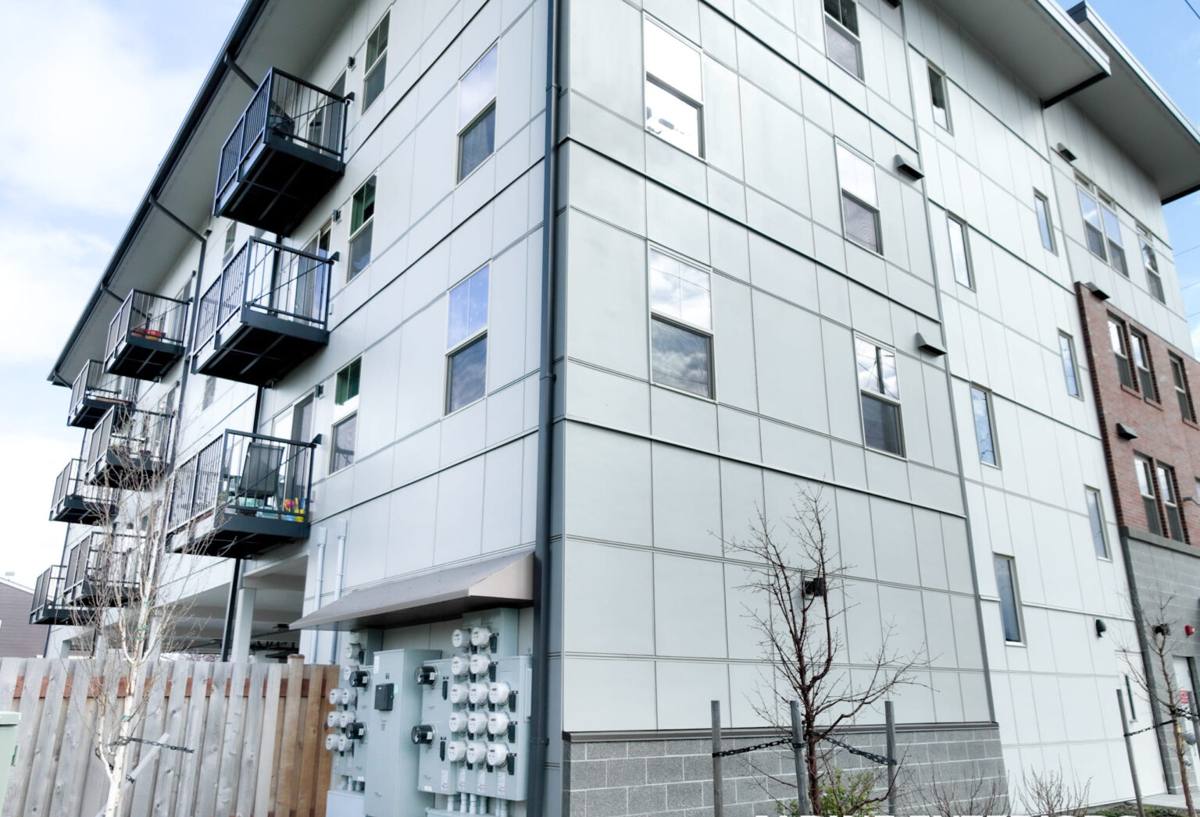
What Board & Batten Actually Is
Board and batten is a two-layer vertical siding system. Wide flat boards or panels go up first, then narrower strips, the battens, are fastened over the seams between them. The result is a repeating pattern of raised vertical lines and shadow gaps, which is what gives the style its more dimensional, architectural look compared to flat horizontal lap siding.
There are two common ways it gets built:
- Engineered vertical panels — factory-manufactured panel products designed specifically for this look, with consistent spacing and profile built in
- Site-built board and batten — flat trim boards installed as a base layer, with individual battens measured, cut, and fastened over each seam on site
Both methods can look excellent when done well. What actually determines how the wall performs over time isn't which method was used, it's whether the boards and battens themselves stay dimensionally stable and resist moisture intrusion at every one of those seams, year after year, in a climate that doesn't give a wall many dry stretches to recover in.
What Bellingham's Climate Does to a Board & Batten Wall
Salt Air Off Bellingham Bay and the Strait
Bellingham's setting on the water means a steady flow of salt-tinged, moisture-laden air moving across the city, not just on days with an obvious storm rolling through. That kind of sustained, low-grade exposure is harder on exposed fasteners, flashing, and lower-grade finishes than an inland climate would be. On a board and batten wall, where battens are individually face-nailed or blind-nailed over every seam, there are simply more fastener points exposed to that corrosion risk than on a flat lap wall.
Wind-Driven Rain
Rain in this part of Whatcom County doesn't just fall, it gets pushed sideways by wind coming off the water. That matters specifically for board and batten because wind-driven rain can work its way behind battens at butt joints, corners, and horizontal transitions in a way a purely vertical rainfall pattern wouldn't reach. A weather barrier and flashing detail that would hold up fine in a calmer, drier climate can still let water in here because the wind is driving it sideways into every seam the pattern creates.
A Long Moss Season
Mild year-round temperatures, tree cover, and near-constant dampness add up to an extended moss and mildew season on shaded, north-facing walls across Bellingham. Board and batten's raised battens and shadow gaps create more surface texture and more places for moisture to sit than a flat wall does, so any material with even slight porosity, or one that holds moisture against the substrate instead of shedding it, becomes a growth surface faster on this style than on plain lap siding.
Why We Build Board & Batten Exclusively in James Hardie
We don't offer board and batten in a choice of materials and let price decide. We build it out of James Hardie fiber cement, and the reason comes down to what this specific style demands in this specific climate.
- Dimensional stability: Fiber cement doesn't swell, cup, or shrink with moisture the way wood or engineered wood products can, so battens stay tight against their seams instead of gapping or telegraphing movement through the finish.
- Climate-engineered HZ5 formulation: Hardie's HZ5 product line is built for regions with heavy, sustained moisture exposure, which fits Bellingham's bay-influenced, wet climate better than a generic national spec.
- Factory-applied ColorPlus finish: The color coat is cured under controlled factory conditions rather than brushed on at the job site, which matters most on a style with this many exposed edges and seams catching sun and rain at different angles.
- Non-combustible core: Fiber cement doesn't feed a fire the way wood-based siding products can.
- Strong transferable warranty: Hardie backs its products with a substantial warranty structure, provided the installation follows their published spec.
What Other Board & Batten Materials Trade Off Here
LP SmartSide is an engineered wood product with a resin-treated strand core, and it can perform reasonably in drier climates. In a marine environment with this much sustained rain and humidity, engineered wood is more sensitive to moisture intrusion at cut edges and fastener penetrations, both of which board and batten has in abundance. Vinyl board and batten panels are affordable and low-maintenance in a general sense, but they can flex and gap at seams under thermal movement, and if house wrap and flashing details behind the panel aren't handled carefully, an easy thing to get wrong and a hard thing to catch from the outside, moisture gets trapped rather than shed. Cedar and primed spruce look great on this style, arguably the most traditional choice for it, but they depend on an ongoing paint or sealant cycle to keep moisture out at every seam, and in a climate that stays wet this much of the year, that maintenance schedule tends to slip in exactly the way that shortens the material's real-world lifespan.
What Correct Installation Involves
Board and batten is less forgiving of installation shortcuts than flat lap siding, because there are more seams and fastener points for water to exploit if any one detail is done wrong. A correct installation in this climate includes:
- A properly lapped and sealed weather-resistant barrier behind the panels, not just house wrap stapled up and left as-is
- Correct panel and batten gapping at all butt joints and terminations, per James Hardie's published fastening and clearance specifications
- Battens fastened at the correct spacing and penetration depth, secure without over-driving fasteners through the material
- Proper flashing at every horizontal transition, window heads, roof-to-wall intersections, and anywhere the vertical pattern meets a horizontal element
- Correct clearance at the base of the wall, keeping siding above grade, decking, and roofing so it isn't sitting in standing water
- Caulking used only where James Hardie specifies it, not as a substitute for proper flashing and gapping elsewhere
None of these steps are unique to Hardie. They're the difference between a board and batten wall that shrugs off a wet Whatcom County winter and one that starts showing problems at the seams within a few wet seasons, regardless of what's behind the battens.
Board & Batten vs. Other Vertical Siding Approaches
| Approach | Moisture Behavior | Finish Durability | Fit for Bellingham's Climate |
|---|---|---|---|
| James Hardie fiber cement (panel + trim) | Dimensionally stable, doesn't swell or shrink with humidity | Factory-baked ColorPlus finish, resists fade and moisture | Engineered HZ5 formulation built for sustained wet climates |
| Engineered wood composite | More moisture-sensitive at cut edges and fastener points | Relies on field-applied or factory coatings with shorter service life | Better suited to drier, more moderate climates |
| Vinyl board and batten panels | Doesn't absorb water but can gap at seams under thermal movement | Color is through-body but can fade and chalk over time | Performance depends heavily on flashing and house wrap quality behind the panel |
| Primed spruce or cedar boards | Absorbs and releases moisture readily, prone to swelling and cupping at seams | Fully dependent on a repainting or resealing maintenance cycle | Requires disciplined upkeep to hold up against Bellingham's wet season |
This isn't a claim that every alternative is a bad product, it's why, for the specific demands of this style in this specific climate, we don't install anything other than Hardie for board and batten work.
Design Considerations for Bellingham Homes
Board and batten reads differently than lap siding because the vertical lines and shadow gaps carry a lot of the visual weight, so color choice interacts with that pattern more noticeably than it does on a flat wall. A few practical notes from doing this work locally:
- Deeper, saturated colors make the shadow lines between battens more dramatic; lighter colors give a softer, more uniform look
- Board and batten is frequently used as an accent in Bellingham, gables, dormers, or a front-facing feature wall, paired with lap siding on the rest of the home, which keeps cost reasonable while still delivering the architectural detail
- ColorPlus finishes hold their color under Bellingham's grey, moisture-heavy climate better than most field-applied paint systems, which matters most on a style with this much surface detail catching whatever light does come through
Maintenance Expectations
One practical advantage of a Hardie board and batten wall in Bellingham is what it doesn't ask of you. There's no annual caulk-and-repaint cycle to chase at every seam, and the material isn't absorbing humidity between rain events the way wood boards can. Realistic upkeep looks like:
- An occasional rinse to clear moss spores, salt residue, and general grime, especially on shaded or north-facing walls
- A visual check after major windstorms for any batten that may have loosened or flashing that shifted
- Keeping landscaping, sprinklers, and tree cover from holding moisture directly against the base of the wall
- Touch-up only where physical damage occurs, not as a routine maintenance item
Why Hiring a Crew That Already Works Bellingham Matters
A crew that installs board and batten across Bellingham regularly sees how salt air, wind-driven rain, and moss actually behave on this style of wall over a full year, not just how the product performs on a spec sheet. That shows up in practical decisions on install day: which wall orientations stay damp longest, where extra flashing attention at a window head or roofline actually pays off, and which seams need the most careful gapping given how this pattern is more exposed than flat siding. Bellingham's mix of bay-facing lots, hillside terrain, and mature tree cover isn't uniform from property to property, and a crew with hands-on experience across the area accounts for that instead of applying the same approach to every job.
If you're weighing a board and batten accent or a full board and batten exterior for a Bellingham home, we're glad to walk the property, talk through where the style makes the most sense architecturally, and put together a free, no-pressure estimate.