 Lynden Exterior
 Roofing Built for Acme's Ground, Not a Generic Spec Sheet
Acme sits in the part of Whatcom County where the lowlands start giving way to the foothills — more tree cover, more shade, more standing moisture in the air for longer stretches of the year than you'll find on an open lot closer to town. A roof out here does a different job than a roof on a bare, sun-exposed lot. It spends more hours wet, more days shaded, and more weeks under falling needles and leaf litter that pile up in valleys and behind chimneys. When we install a new roof for a homeowner in Acme, we're planning for that specific combination, not just following a generic manufacturer spec sheet.
Whatcom County as a whole deals with salt-laden air near the water, driving rain off the Pacific weather systems, and a moss season that can run most of the year in shaded spots. Acme's tree cover concentrates the rain-and-shade part of that equation especially hard. That's the backdrop for everything below.
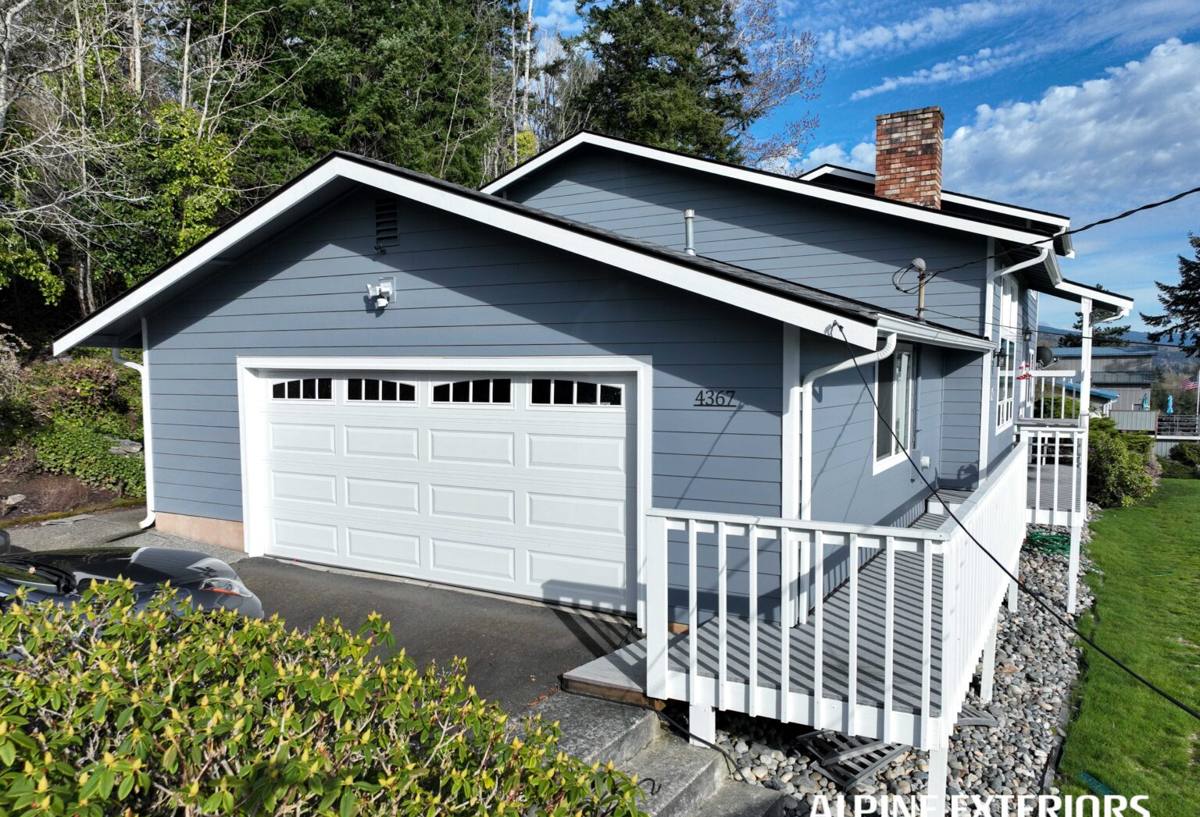
What Acme's Climate Actually Does to a Roof
Driving rain and wind-driven water
Storms here don't always fall straight down. Wind-driven rain gets pushed up under shingle tabs, into open valleys, and around any flashing that was installed loose or under-lapped. A roof that would hold up fine in a calmer climate can leak within a few seasons out here if the underlayment and flashing details were rushed.
Moss, algae, and shade
Tree cover means shade, and shade means roof surfaces that don't dry out between storms the way an open, sun-exposed roof does. Moss gets a foothold in that constant dampness, works its way under shingle edges, and lifts them over time. Algae streaking is mostly cosmetic, but moss is structural — it holds water against the roofing material and accelerates wear.
Needle and debris load
Conifer needles and leaf litter collect in valleys, around penetrations, and in gutters faster here than in more open neighborhoods. Blocked water paths are one of the most common causes of a "mystery leak" we get called out to diagnose on roofs that are otherwise in decent shape.
What a Correct New Roof Installation Involves
A new roof is more than laying down shingles or panels. The parts nobody sees from the ground are usually what decide whether the roof performs for 20-plus years or starts giving trouble in year five.
Tear-off and deck inspection
We remove the old roofing down to the deck rather than layering over it. That's the only way to actually see the condition of the sheathing — soft spots, old leak staining, or rot around penetrations don't show up until the old material is off. Any damaged decking gets replaced before anything new goes down.
Underlayment and moisture barriers
In a climate that stays wet as long as this one does, underlayment isn't a formality. We use a synthetic or ice-and-water type barrier at eaves, valleys, and around penetrations, with full underlayment coverage across the field of the roof. This is the backup layer that keeps you dry if wind-driven rain ever gets past the surface material.
Flashing at every transition
Chimneys, skylights, sidewalls, and valleys are where roofs actually fail — the open field of shingles rarely leaks on its own. We flash these transitions with step flashing, counter-flashing, and valley metal sized and lapped correctly for water to shed downhill at every layer, not just the top one.
Ventilation that matches the roof
A shaded, damp roof needs a balanced intake-and-exhaust ventilation system to keep the attic from trapping moisture underneath the deck. Poor ventilation shortens shingle life and can lead to sheathing rot from the inside, which is a much more expensive problem than anything happening on the surface.
Choosing a Roofing Material for an Acme Property
There's no single "best" material — the right choice depends on your roof's pitch, how much shade and tree cover it sits under, and your maintenance appetite. Here's how the common options actually compare for a shaded, wet-climate property like most homes around Acme.
| Material | How it handles shade & moisture | Maintenance | Typical lifespan |
|---|---|---|---|
| Architectural asphalt shingle | Good with algae-resistant granules; moss still needs periodic removal in heavy shade | Low to moderate — occasional moss/debris clearing | 25-30 years |
| Standing seam metal | Sheds water and debris fast; smooth surface resists moss better than most | Low | 40-50+ years |
| Synthetic composite (shake-look) | Performs well in wet shade, doesn't absorb water like real wood | Low to moderate | 30-50 years, varies by product |
| Cedar shake (traditional) | Absorbs moisture and holds it under heavy tree cover; needs consistent upkeep to avoid rot and moss intrusion | High | Highly variable — heavy shade shortens it significantly |
We'll walk you through this in person rather than push one product. On a heavily shaded lot, we're generally honest that a natural wood product carries a bigger maintenance burden than a comparable-looking synthetic or a metal roof — not because wood is a bad material, but because Acme's shade and moisture load work against it in a way they don't on an open, sunny lot.
Our Process, Start to Finish
- On-site estimate. We walk the roof and attic, note tree cover, existing ventilation, and any trouble spots before quoting anything.
- Written scope and material selection. You get a clear breakdown of tear-off, decking allowance, underlayment, flashing plan, and material choice — no vague line items.
- Scheduling around weather. We plan install windows with realistic drying time in mind, given how often Acme sees wet, overcast stretches.
- Tear-off and deck repair. Old roofing comes off, the deck gets inspected, and any soft or damaged sheathing is replaced.
- Underlayment, flashing, and ventilation install. This is the layer that determines long-term performance and gets done to code, not shortcuts.
- Surface material installation. Shingles, metal, or synthetic panels go down per manufacturer spec, which matters for keeping your material warranty valid.
- Site cleanup and magnetic nail sweep. We clear debris and sweep the property and driveway for stray fasteners before we consider the job done.
- Final walkthrough. We go over the finished roof with you, including any ventilation or maintenance notes specific to your lot's shade and tree cover.
Problems We Commonly Find on Older Acme Roofs
- Moss established under shingle tabs, lifting edges and holding moisture against the deck
- Blocked valleys and clogged gutters from needle and leaf buildup, backing water up under the roofing
- Under-lapped or missing step flashing at chimneys and sidewalls, a frequent hidden leak source
- Inadequate attic ventilation leading to condensation staining on the underside of the deck
- Previous "layover" roofs installed over old shingles instead of a proper tear-off, hiding deck damage underneath
None of these are unusual or a sign of a poorly built home — they're just what a shaded, wet-climate roof shows after enough seasons. The point of a correctly installed new roof is to address the causes, not just replace the surface layer and leave the same conditions in place.
Permits, Codes, and Insurance
New roof installations in unincorporated Whatcom County typically require a building permit, and your material choice needs to meet current code for fire rating, wind uplift, and ventilation requirements. We handle the permitting process as part of the job rather than leaving it to the homeowner. It's also worth checking with your homeowner's insurance carrier before the project starts — some carriers offer better terms for impact-rated or algae-resistant materials, and most want documentation of the install for future claims.
A Checklist Before You Sign With Any Roofing Contractor
- Do they do a full tear-off, or are they proposing to layer over existing roofing?
- Is the underlayment and flashing plan spelled out in writing, not just "shingles and labor"?
- Are they licensed and insured to work in Washington, and can they show proof?
- Does the quote address your specific shade/moisture conditions, or is it a generic template?
- Who handles the permit — you or the contractor?
- What's covered under workmanship warranty versus manufacturer material warranty, and for how long?
Why It Matters That We Already Work Acme
A crew that only occasionally comes out this way tends to under-plan for shade, moss, and debris load, because most of their other jobs don't deal with it the same way. Working this ground regularly means we already know to check for it, price for it, and detail the flashing and ventilation accordingly, instead of treating it as a surprise mid-project. That familiarity shows up in fewer callbacks and a roof that's actually built for the conditions it's going to sit under for the next few decades.
If you're weighing a repair against a full replacement, or just want an honest look at what your current roof needs, we're glad to come out and walk it with you. There's no pressure and no obligation — use the form below to request a free estimate.