 Lynden Exterior
 Why Composite Decking Suits Nooksack's Climate
Nooksack sits in one of the wetter corners of Whatcom County, and the combination of near-constant marine moisture, salt-tinged air drifting in off the Sound, and long stretches of overcast, low-sun weather is hard on outdoor wood surfaces. A traditional wood deck out here needs yearly attention just to stay ahead of graying, splintering, and moss creeping into the grain. Composite decking was built to handle exactly this kind of environment: it doesn't absorb water the way solid wood does, it won't splinter, and it resists the slow rot that shows up in board ends and under railing posts first.
That doesn't mean composite is maintenance-free — nothing outdoors in this region truly is. It means the maintenance shifts from sanding, staining, and sealing to simpler seasonal cleaning, which matters a lot to homeowners who want a deck they actually use instead of one they're constantly repairing.
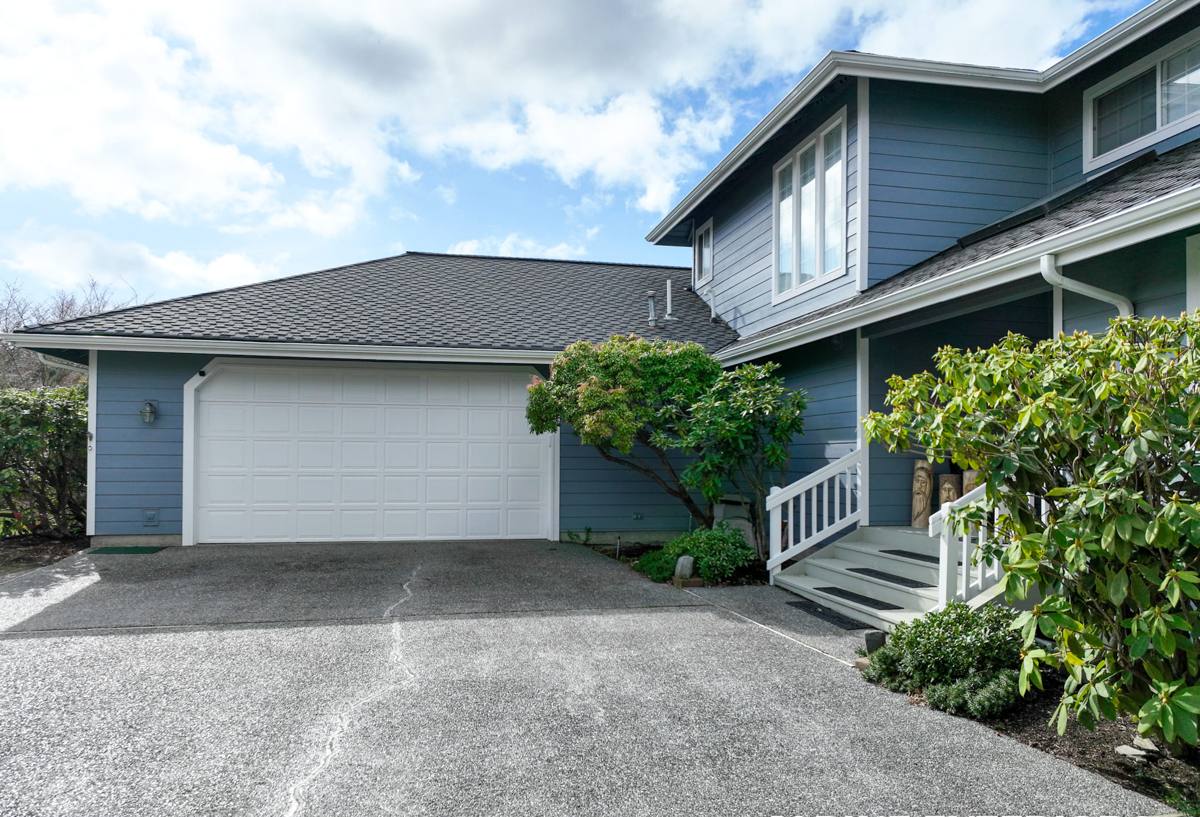
What Nooksack Homes Need From a Deck Build
Moisture Management Below the Boards
The composite boards themselves handle rain fine. The problem spots on almost every deck we've corrected in this area are underneath — joists, ledger boards, and posts that were never properly flashed or ventilated. Composite decking sheds water on top, but if the substructure underneath can't dry out between storms, you end up with a deck that looks great for years and then reveals rot in the frame all at once.
A correct build here means:
- Proper ledger board flashing where the deck attaches to the house, so water can't work its way behind the siding
- Joist tape or a comparable moisture barrier on top of the framing lumber, not just under the boards
- Adequate airflow underneath the deck so the frame can dry between rain events instead of staying damp
- Post bases set above grade and away from standing water, especially in yards with clay soil that drains slowly
Fastening and Board Spacing
Composite boards expand and contract with temperature more than people expect. Gaps that are cut too tight in summer can buckle by the following winter; gaps cut too wide in cold weather can look sloppy once the boards expand in warmer months. Getting the spacing right for our local temperature swings — and using hidden fastener systems rated for the specific board profile — is a detail that's easy to get wrong on a first-time or DIY install and hard to fix after the fact.
Composite Board Options and How They Compare
Not all composite decking is built the same way, and the differences matter more in a wet climate than in a dry one. Here's a general comparison of the categories homeowners typically choose between:
| Board Type | Moisture Behavior | Maintenance | Typical Lifespan |
|---|---|---|---|
| Capped composite | Fully wrapped shell resists moisture intrusion at the surface | Occasional wash-down; no staining or sealing | 25–30+ year warranty range |
| Uncapped composite | More prone to surface moisture absorption over time | Periodic cleaning; can fade or mildew faster in shade | Shorter warranty range, often 10–15 years |
| PVC (cellular) decking | No wood content, essentially impervious to moisture | Lowest maintenance; wash as needed | Often the longest warranty terms available |
| Pressure-treated wood (for comparison) | Absorbs and releases moisture constantly | Annual cleaning, periodic staining/sealing | 10–15 years before major repair or replacement |
For a property like a typical Nooksack lot — open to weather, shaded in parts by mature trees, and rarely dry for long stretches in fall and winter — we generally steer homeowners toward capped composite or PVC products for any area that stays shaded or doesn't get much airflow. Uncapped composite can still be the right call on a sunnier, more exposed deck where budget is the priority, as long as the homeowner understands the tradeoff up front.
Moss, Algae, and the Reality of Long Wet Seasons
Moss doesn't care what your decking is made of — it will grow on any horizontal surface that stays damp and shaded long enough, and Whatcom County's moss season runs long. The difference with composite is that moss and algae sit on the surface rather than working into the material the way they do with untreated wood grain. A push broom, a mild cleaner, and a garden hose handle most of it. Pressure washing is possible but should be done at a lower PSI and with a wide fan tip — too much pressure too close can etch the surface of some composite boards, especially older uncapped products.
Deck orientation and nearby tree cover make a real difference here. A deck tucked under fir or cedar cover will need cleaning more often than one with open sky above it, regardless of material. Part of our design conversation with homeowners is looking honestly at sun exposure and drainage before the first board goes down, not after moss becomes a problem.
How Our Process Works
1. Site Assessment
We walk the property, check drainage patterns, note sun and shade exposure, and look at how the deck will tie into the house — including existing siding, doors, and any structural framing already in place.
2. Structural Check
If we're replacing or building over an existing structure, we inspect the framing, ledger connection, and post footings before anything else. Composite boards are only as good as what's underneath them, and this is where problems from a previous build usually surface.
3. Product Selection
We go through board options with the homeowner honestly — capped versus uncapped, color and grain choices, railing systems — and explain the maintenance and warranty tradeoffs for each, given the specific spot on the property where the deck will sit.
4. Permitting
Deck projects above a certain height or size typically require a permit through the relevant Whatcom County or city process. We handle that coordination so homeowners aren't stuck figuring out requirements on their own.
5. Build and Walkthrough
Framing, flashing, and moisture barrier work happens first and gets inspected before boards go down. Once the deck is complete, we walk it with the homeowner, cover basic care, and answer questions about cleaning and warranty registration.
Why Local Experience on This Specific Terrain Matters
A lot of deck problems we get called to fix started with a crew that builds mostly in drier climates or hasn't spent much time on Whatcom County soil and weather patterns. Flashing details that are optional in a dry region aren't optional here. Drainage that works fine on a sloped, sandy lot doesn't work the same way on flatter ground with heavier clay content, which is common around Nooksack and the surrounding farmland. A crew that already works this specific area has already seen how these lots drain, how much shade the tree lines throw, and how fast moss sets in on a north-facing deck versus a south-facing one — and builds accordingly from day one instead of learning it through a callback.
What This Typically Costs
Composite decking costs vary based on square footage, board tier, framing condition, and railing choice. Rather than quote a single number that won't apply to most homes, here's what actually moves the price:
| Cost Factor | Why It Matters |
|---|---|
| Board tier (uncapped vs. capped vs. PVC) | Material cost per square foot varies significantly between tiers |
| Existing structure condition | Reusable framing versus full rebuild changes labor and material costs substantially |
| Deck height and footing requirements | Taller decks need more substantial framing, footings, and often railing code compliance |
| Railing and fascia choices | Composite or metal railing systems cost more than basic wood rail but need less upkeep |
| Site access | Tight or sloped lots can add labor time for material staging and equipment |
We give homeowners a real number after seeing the site — not a phone estimate based on square footage alone, since the framing condition and site access affect the price as much as the decking material does.
A Simple Checklist Before You Decide
- Walk your current deck and check for soft spots, especially near the house connection and post bases
- Note how much direct sun the deck area gets through the day and across seasons
- Think about how the space will actually be used — dining, grilling, hot tub — since load and layout affect framing needs
- Ask any contractor you're considering how they handle ledger flashing and under-deck ventilation, not just what board brand they install
- Get the warranty terms for both the boards and the hidden fastener system in writing before committing
If you're weighing composite decking for a home in the Nooksack area, we're happy to take a look and talk through what your specific lot and sun exposure call for. Reach out for a free, no-pressure estimate using the form below.