 Lynden Exterior
 Asphalt Shingle Roofing Built for Maple Falls Conditions
Maple Falls sits close enough to the foothills and far enough from the coast that homes here deal with a specific mix of weather: long stretches of steady rain, heavy shade from surrounding trees, and a moss season that can run most of the year if a roof isn't set up to shed water and dry out between storms. Asphalt shingle roofing remains the most practical choice for the large majority of homes in this area — it's proven, cost-effective, and when installed correctly it holds up well against everything Whatcom County weather throws at it. The key phrase there is "installed correctly." A lot of the roof problems we get called out for in Maple Falls aren't shingle failures — they're installation or ventilation shortcuts that let the climate win.
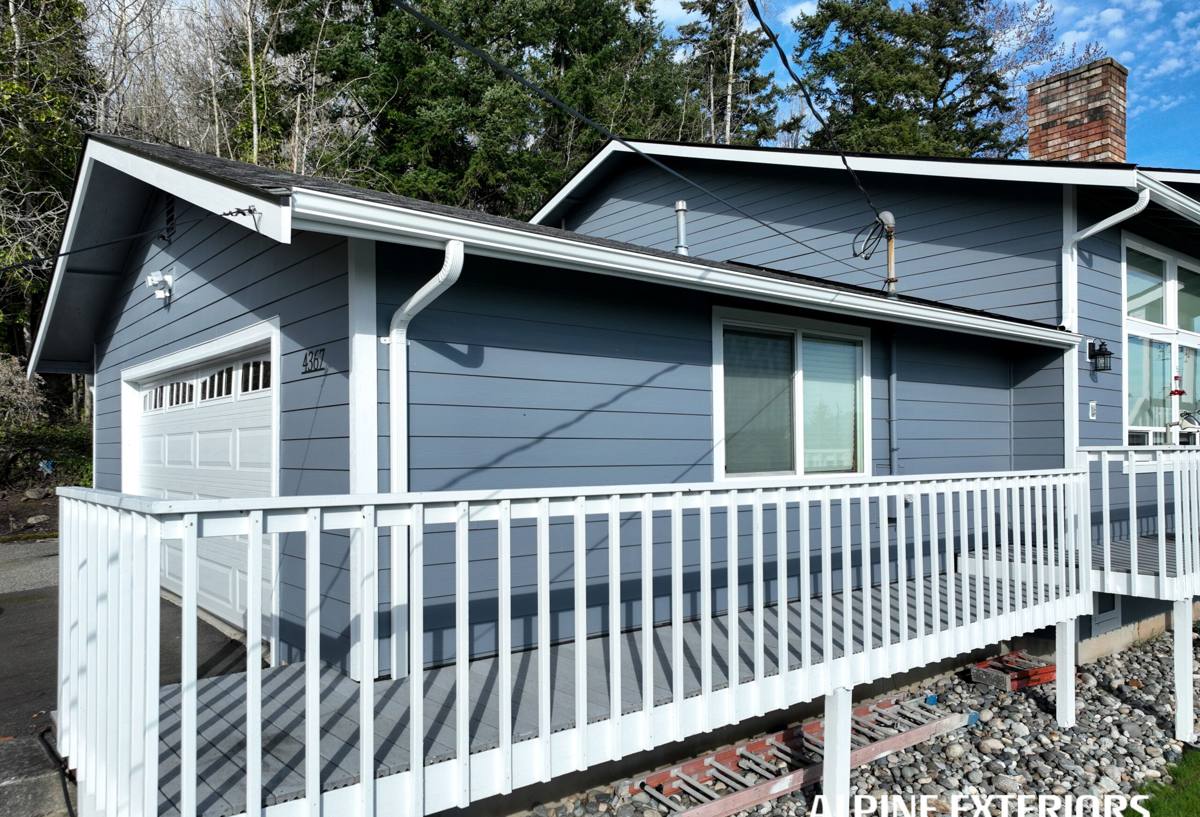
What This Climate Actually Does to a Roof
It helps to understand what you're up against before you decide how to build or replace a roof. Maple Falls doesn't get the salt exposure of the coast, but it gets plenty of driving rain, moisture that lingers under tree cover, and enough shaded, damp surfaces to support moss and moderate growth for much of the year. None of that is unusual for this part of Washington — but it does change what "good roofing work" means here compared to a drier climate.
Moss and Organic Growth
Shaded roof slopes, especially north-facing ones or those under overhanging trees, stay damp longer after every rain. Moss doesn't just look bad — it holds moisture against the shingle surface, works its way under shingle edges as it grows, and can lift tabs over time. Left unmanaged for years, moss growth shortens the practical life of an otherwise sound roof.
Driving Rain and Wind-Driven Water
Storms in this region often push rain sideways rather than straight down. That matters at every transition point on a roof — valleys, chimney flashing, skylight curbs, and the edges where the roof meets a wall. A roof that would perform fine in calmer weather can leak in exactly these spots if flashing and underlayment weren't detailed for wind-driven rain.
Slow Drying Time
Shorter winter days, tree cover, and persistent cloud cover all mean roof surfaces here take longer to dry out between storms than they would in a sunnier climate. Materials and ventilation choices need to account for that extended damp period, not just the total annual rainfall.
What a Correct Asphalt Shingle Job Includes
A roof that's going to hold up in Maple Falls needs more than shingles nailed to plywood. Every layer underneath the visible surface matters just as much as the shingle brand on top.
- Tear-off and deck inspection: Old roofing comes off so the decking underneath can be checked for soft spots, rot, or delamination — problems that are invisible from the ground or even from the attic in some cases.
- Ice and water shield at vulnerable points: Valleys, eaves, and roof-to-wall transitions get self-adhering waterproof membrane, not just standard felt, because these are the spots wind-driven rain finds first.
- Synthetic underlayment across the field: A durable synthetic underlayment gives a second line of defense across the whole roof, which matters more in a climate where shingles stay damp longer between drying periods.
- Proper flashing at every penetration: Chimneys, plumbing vents, skylights, and sidewall intersections all need step flashing, counter-flashing, or apron flashing sized and lapped correctly — not caulk substituting for metal.
- Balanced intake and exhaust ventilation: Attic ventilation controls moisture from the inside out, which affects both shingle life and the deck underneath. We size intake and exhaust to work together, not just add a ridge vent and call it done.
- Correct nailing pattern and fastener count: Manufacturer nailing specs exist for wind resistance. Skipping a nail or two per shingle to save time is one of the most common shortcuts we see on roofs that fail early.
- Starter strip and hip/ridge cap shingles: These aren't optional trim pieces — they seal the roof's most exposed edges and lines.
Shingle Options and Honest Trade-Offs
Not every asphalt shingle is built the same, and the right choice depends on your roof's exposure, your budget, and how long you want to go before the next re-roof. We'll walk through the real trade-offs rather than pushing whatever has the best margin.
| Shingle Type | Typical Lifespan | Best Suited For | Trade-Offs |
|---|---|---|---|
| 3-Tab Asphalt | 15-20 years | Budget-conscious re-roofs, rental properties | Lower wind rating, less algae resistance, flatter appearance |
| Architectural (Laminate) | 25-30 years | Most Maple Falls homes | Higher upfront cost than 3-tab, but better wind rating and dimensional look |
| Impact-Resistant Architectural | 25-30+ years | Homes wanting extra durability, possible insurance discount | Higher material cost; discount availability depends on your insurer |
| Algae-Resistant (Copper-Granule) Shingles | Same as base type | Shaded, north-facing, or tree-covered roof sections | Slightly higher cost; reduces but doesn't eliminate moss risk without maintenance |
For most Maple Falls properties, we recommend architectural shingles with algae-resistant granules on shaded slopes at minimum. The extra cost up front is modest compared to dealing with moss remediation or a shortened roof life down the road.
Our Process, Start to Finish
1. On-Site Assessment
We look at the whole roof system — slope, shading, existing ventilation, flashing condition, and any signs of moss, moisture staining, or granule loss — not just the shingles themselves. This is also when we check the attic for signs of past moisture intrusion or inadequate ventilation.
2. Clear, Written Estimate
You get a written scope of work and price before anything starts, including what's being torn off, what underlayment and flashing details are included, and what shingle options fit your roof and budget. No vague allowances, no surprise change orders for standard work.
3. Tear-Off and Deck Repair
Old material comes off completely so the deck can be inspected properly. Any soft or damaged decking gets replaced before new roofing goes down — this is not an area to patch around.
4. Waterproofing and Underlayment
Ice and water shield goes in at valleys, eaves, and wall transitions, followed by synthetic underlayment across the full roof deck.
5. Flashing and Shingle Installation
Flashing goes in at every penetration and transition, then shingles are installed to manufacturer specifications for nailing pattern, exposure, and fastener count.
6. Ventilation Check and Cleanup
Intake and exhaust ventilation is verified against the attic space it's serving, and the property is cleaned up — magnetic sweep for nails included.
Maintenance That Actually Extends Roof Life Here
Even a correctly installed roof benefits from basic upkeep in this climate. A few habits go a long way in Whatcom County's wet, shaded conditions:
- Keep gutters clear so water doesn't back up under shingle edges during heavy rain.
- Trim back overhanging branches to reduce shade and debris buildup on the roof surface.
- Have moss treated or gently removed before it works under shingle tabs — don't wait until it's thick.
- Schedule a roof check after major storms, especially if you notice granules collecting in gutters or downspouts.
- Address small flashing or sealant issues early — they're cheap to fix now and expensive to ignore.
Why Local Experience with Maple Falls Roofs Matters
Roofing done right depends on understanding the specific conditions a roof will face, not just following a generic install checklist. A crew that regularly works on homes in and around Lynden and the Maple Falls area already knows which slopes tend to hold moisture, how tree cover in this region affects shingle choice, and where wind-driven rain typically finds its way into a poorly detailed roof. That local pattern recognition shows up in better decisions during the assessment and installation — not just in the final look of the roof.
It also means faster, more realistic scheduling around this area's weather windows, and a crew that's easy to reach if a question comes up after the job is done. Roofing is a long-term investment in your home; it's worth having it handled by people who are actually familiar with how Whatcom County weather treats a roof over time, not just at the moment of installation.
Signs Your Maple Falls Roof May Need Attention
Some warning signs are easy to miss from the ground, but a few are worth checking for on your own before scheduling a full inspection:
- Granules collecting in gutters or at the base of downspouts
- Visible moss patches, especially on shaded or north-facing slopes
- Curling, cupping, or missing shingles after wind events
- Dark streaking that doesn't wash off with rain (a sign of algae, not just dirt)
- Water stains on interior ceilings or attic sheathing
- Sagging areas anywhere on the roof plane
Any one of these on its own isn't necessarily an emergency, but they're worth having looked at before the next heavy rain season rather than after a leak shows up inside.
If you're weighing a roof repair, a full replacement, or just want a straight answer about how much life is left in your current shingles, we're glad to take a look. Reach out for a free, no-pressure estimate — the form below gets you started.