 Lynden Exterior
 What Bellingham's Marine Climate Does to Exterior Siding
Bellingham sits close enough to salt water that homes here take on a different kind of weather load than houses twenty miles inland. Salt-laden air off Bellingham Bay works into seams, fastener heads, and any exposed edge of a wall material, accelerating corrosion and slowly breaking down finishes that aren't built to take it. Add in driving rain that comes sideways off the Strait during winter storms, and siding on this side of Whatcom County has to shed wind-driven water, not just vertical rain, or it ends up pushing moisture behind the cladding instead of off of it.
Then there's the moss and algae season, which in Bellingham runs longer than most homeowners expect — often eight or nine months out of the year given the overcast, damp conditions typical of this part of Washington. North-facing walls, shaded elevations, and anything tucked under trees stay damp for days after a storm passes, which is exactly the environment moss, mold, and mildew need to take hold. Siding that doesn't drain and dry quickly becomes a long-term host for organic growth, and that growth holds moisture against the wall even longer, compounding the problem year over year.
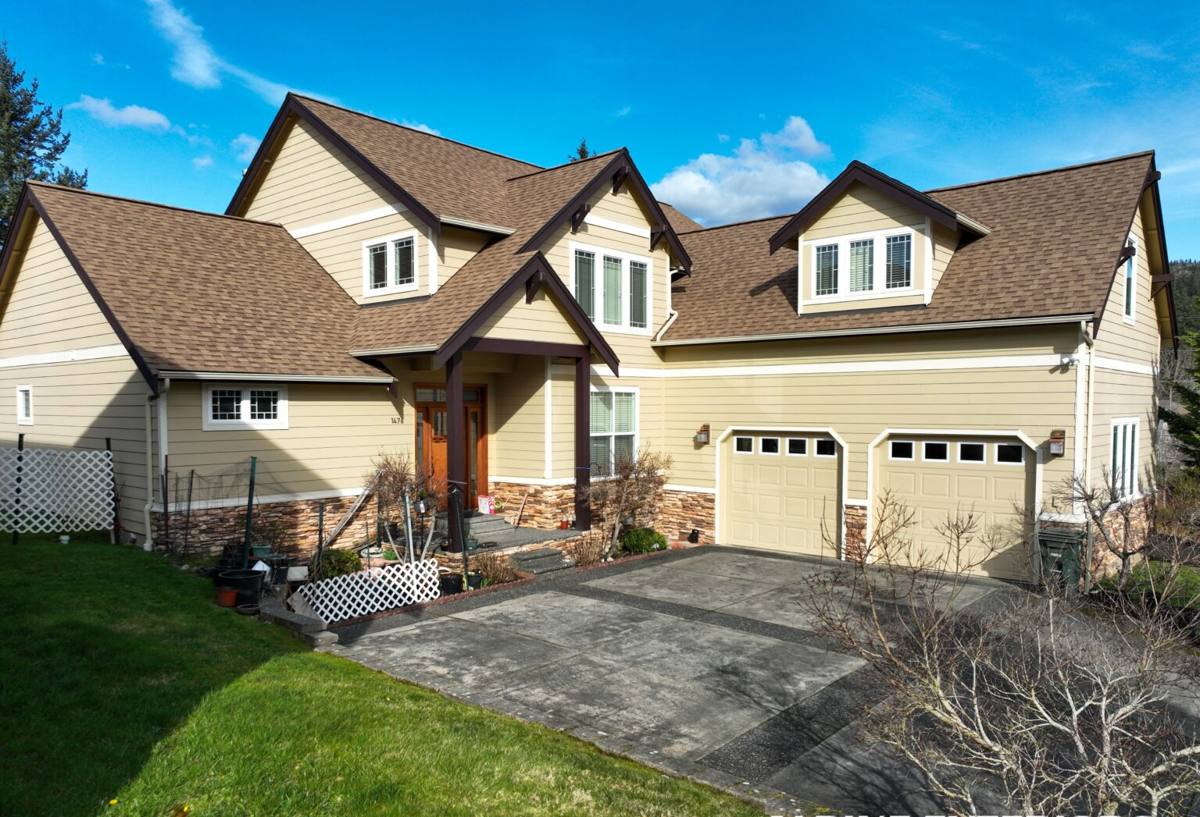
Why Not All Siding Handles This Environment the Same Way
The materials most commonly sold for siding replacement were not all engineered with a marine, high-moisture climate in mind. Some perform fine in drier regions and struggle here. Others were designed generically and rely heavily on perfect installation to hold up. The table below is a general comparison, not a claim about any one brand's quality — it reflects how these material categories typically behave under the salt air, sustained rain, and moss pressure common to Bellingham.
| Material | Moisture Behavior | Moss/Algae Resistance | Salt Air Durability |
|---|---|---|---|
| Vinyl siding | Doesn't absorb water itself, but panels flex, warp, and gap over time, letting water track behind the wall | Low — smooth surface still hosts growth in shaded, damp areas | Fasteners and trim hardware can corrode; panels can chalk and fade |
| Engineered wood (LP SmartSide) | Wood-based substrate; edge and cut-end exposure is a known vulnerability if moisture gets in | Moderate — treated, but ongoing maintenance matters more in wet climates | Coating can wear thin over years of salt exposure |
| Primed spruce / cedar | Natural wood movement, prone to cupping and checking in constant wet-dry cycles | Low — organic material is naturally more susceptible | Requires diligent repainting and sealing to hold up near the coast |
| James Hardie fiber cement | Non-combustible, dimensionally stable, engineered to resist moisture-related warping | Higher — factory finish and dense material resist moss anchoring better than wood-based products | Formulated for the Pacific Northwest with HZ5 climate engineering |
This is the core reason we standardized on one product line rather than offering a menu of options. We'd rather install one material correctly, consistently, and with confidence in how it performs here, than install several and hope each one holds up under conditions it wasn't necessarily built for.
What a Correct Siding Installation Actually Involves
The siding panel itself is only part of the system. In a climate like Bellingham's, the assembly behind the panel does most of the real work of keeping a house dry. A correct install gets several layers right, in the right order, every time.
The Weather-Resistive Barrier
Before any siding goes up, the wall needs a continuous weather-resistive barrier — a water-resistant but vapor-permeable layer that stops bulk water while still letting the wall assembly dry out. Seams need to be properly lapped and taped, not just stapled and left. Gaps here are invisible once siding covers them, but they're often where leaks originate years later.
Drainage and Ventilation Behind the Cladding
Given how much sustained rain Bellingham gets, we pay close attention to whether a wall assembly needs a drainage gap or rainscreen strategy behind the siding, particularly on shaded or north-facing walls where drying time is slower. A wall that can shed incidental moisture and dry between storms lasts dramatically longer than one that traps it against the sheathing.
Flashing at Every Penetration
Windows, doors, hose bibs, light fixtures, vents — every penetration through the wall is a place water wants to get in. Proper step flashing, head flashing, and kick-out flashing at rooflines are not optional details; they're what actually keeps driving rain out of the wall cavity during a real coastal storm.
Fastening and Clearances to Manufacturer Spec
James Hardie publishes specific fastener patterns, nailing zones, and minimum clearances from grade, decks, and roof lines for a reason — deviating from them is one of the most common ways a fiber cement installation underperforms. We follow those specifications on every job, including the ground clearance and butt joint treatment that keep water from wicking into panel edges.
Why We Only Install James Hardie Fiber Cement
We made a deliberate decision to install one siding system rather than offer vinyl, LP SmartSide, primed wood, or cedar as alternatives. That's not about upselling — it's about standing behind a product we've seen perform correctly in this climate when installed to spec.
Non-Combustible Material
Fiber cement is non-combustible, which matters increasingly in the Pacific Northwest given wildfire risk considerations that homeowners are weighing more seriously than they used to, even in a wetter region like Whatcom County.
ColorPlus Factory Finish
Hardie's ColorPlus finish is baked on at the factory under controlled conditions, rather than field-applied paint over a job site substrate. That finish is formulated to resist fading and hold color consistency longer than most field-painted alternatives, which matters when UV exposure and salt air are both working against a painted surface.
HZ5 Climate Engineering
Hardie engineers its products by climate zone, and the Pacific Northwest falls under the HZ5 category — formulated with this region's moisture exposure specifically in mind, rather than a one-size-fits-all national product. That's a meaningful distinction for a coastal county like this one.
A Warranty Backed by the Manufacturer
Hardie's product warranty is transferable and backed directly by the manufacturer, which gives homeowners real recourse tied to the material itself, not just to our workmanship. We stand behind our installation separately, but it matters that the product warranty is substantial on its own.
Our Process for Bellingham Siding Installation
- On-site assessment. We walk the home, checking the current condition of the wall assembly, identifying moisture-prone elevations, and noting any existing damage around windows, trim, or grade level.
- Scope and product selection. We determine which Hardie plank profile, panel style, and color line fits the home and confirm the drainage and flashing strategy needed for that specific structure.
- Removal and substrate inspection. Old siding comes off and we inspect the sheathing underneath for rot, soft spots, or prior water intrusion before anything new goes up — problems get addressed here, not covered over.
- Weather-resistive barrier and flashing installation. This is where the long-term performance of the wall gets decided, well before the visible siding goes on.
- Siding installation to manufacturer spec. Correct fastener patterns, nailing zones, clearances, and joint treatment throughout.
- Trim, caulking, and final detailing. Corner boards, trim work, and sealant at appropriate joints — not as a substitute for proper flashing, but as the finishing layer.
- Final walkthrough. We review the completed work with the homeowner before considering the job done.
Maintenance After Installation
Fiber cement is lower-maintenance than wood or vinyl in this climate, but "lower-maintenance" doesn't mean zero. A short annual routine keeps siding performing the way it's designed to, especially given Bellingham's extended damp season.
- Rinse siding with a garden hose once or twice a year to clear salt residue and organic buildup, especially on shaded or north-facing walls
- Walk the exterior after major storms and check caulking around windows, doors, and trim for cracking or separation
- Keep gutters clear so overflow doesn't run down the face of the siding repeatedly
- Trim back vegetation and tree limbs that keep a wall section shaded and damp longer than the rest of the house
- Watch ground-level clearance over time — mulch, soil, or landscaping that creeps up toward the bottom edge of the siding should be pulled back
Cost Factors to Expect
Every home is different, so we don't quote pricing without seeing the house, but a few factors consistently drive cost up or down on a Bellingham siding project.
| Factor | Why It Matters |
|---|---|
| Home size and wall complexity | More corners, dormers, and roof intersections mean more flashing detail and labor time |
| Condition of existing sheathing | Rot or moisture damage found during removal adds repair scope before new siding can go on |
| Siding profile and trim selection | Lap siding, panel siding, and trim board choices carry different material costs |
| Access and site conditions | Tight lots, steep grades, or limited staging area affect labor efficiency |
| Existing drainage strategy | Walls needing added rainscreen detailing take more time than a straightforward reside |
Why Local Experience in Bellingham Matters
A crew that works Whatcom County regularly knows which elevations on a typical Bellingham lot stay damp the longest, how much wind-driven rain to plan for on an exposed site, and how long the moss season really runs here compared to drier parts of the state. That local pattern recognition shows up in small decisions — where to add extra flashing attention, which walls need a closer look at drainage — that don't come from a spec sheet alone. It's also why we don't treat every siding job as identical: a home a few blocks from the water gets evaluated differently than one set back and sheltered by trees, even though both are technically in the same city.
If you're weighing a siding replacement or new construction siding project in Bellingham, we're happy to walk the property, look at what your home's exposure actually demands, and give you a straight assessment. Reach out for a free, no-pressure estimate using the form below.